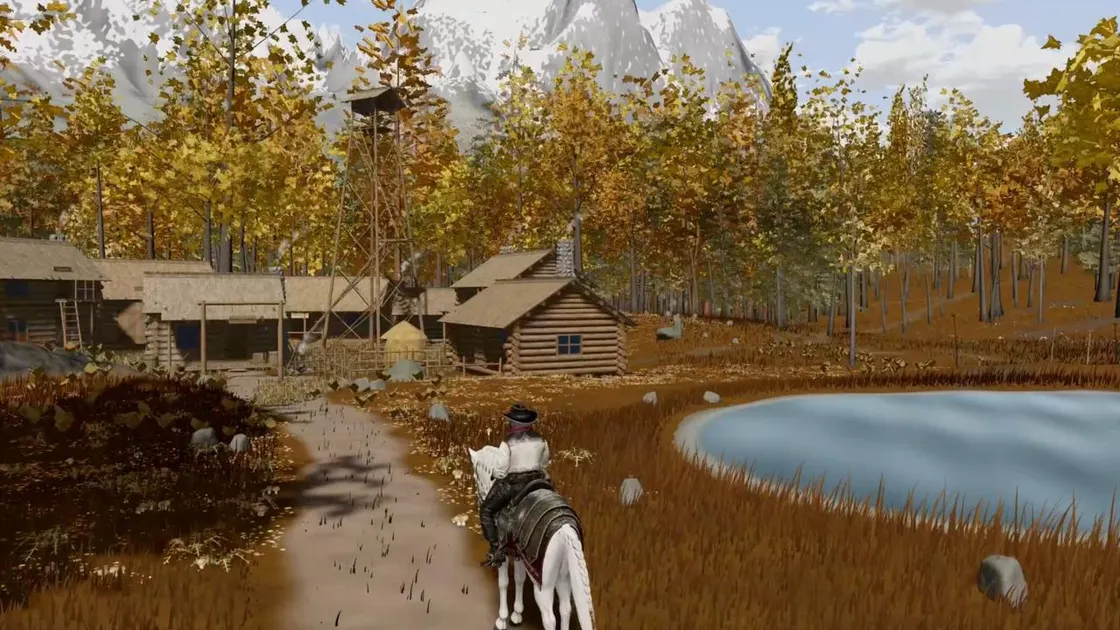
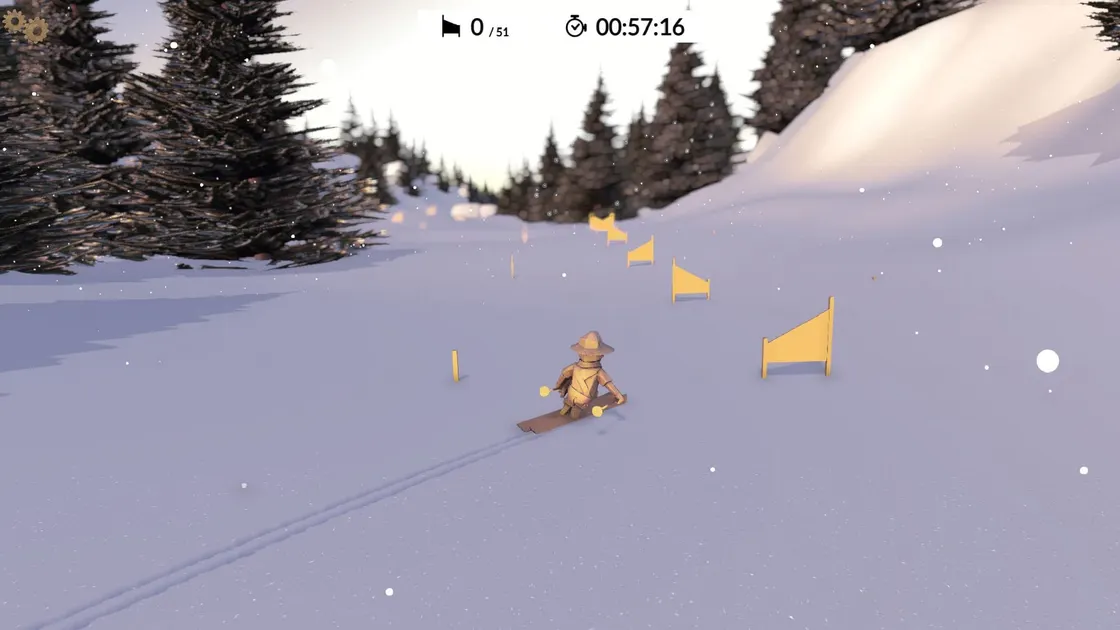
Kimi K3 Uses Three.js WebGPU for an AI-Built 3D Game Demo Moonshot’s Kimi K3 launch includes a notable WebGPU case study: an AI-built procedural 3D exploration game using Three.js WebGPU and GPU compute.
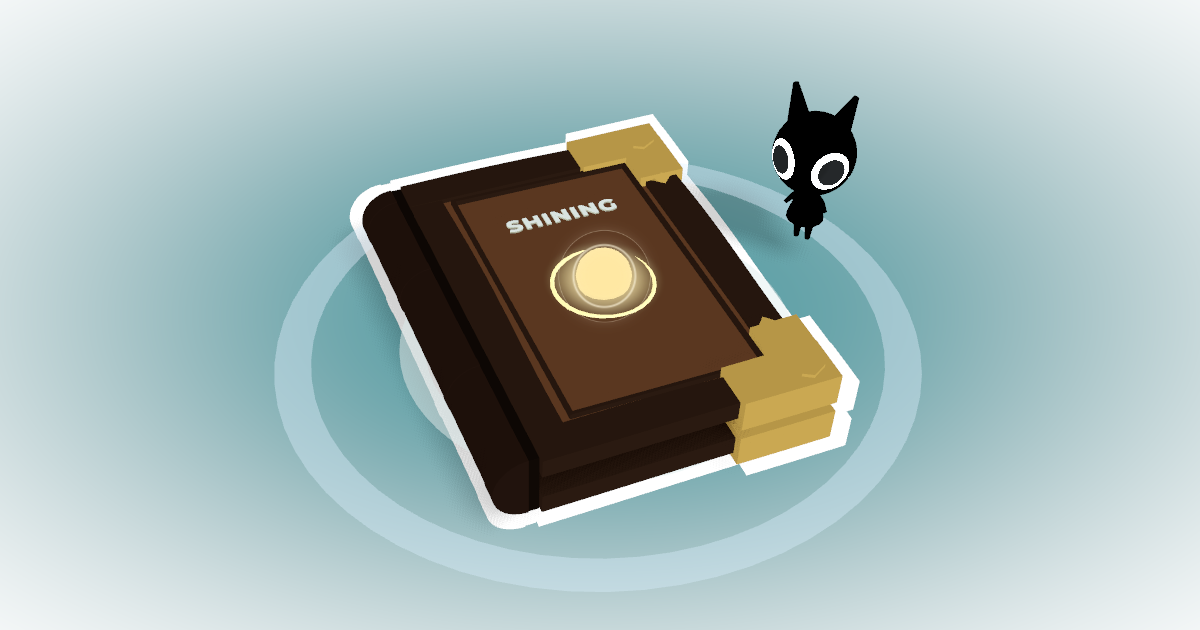
Shining Turns WebGPU Into A Small 3D Storybook Chanwoo Hwang’s Shining is a short 3D interactive storybook built with Three.js WebGPU, using pages, light, and spatial scenes as the interface.
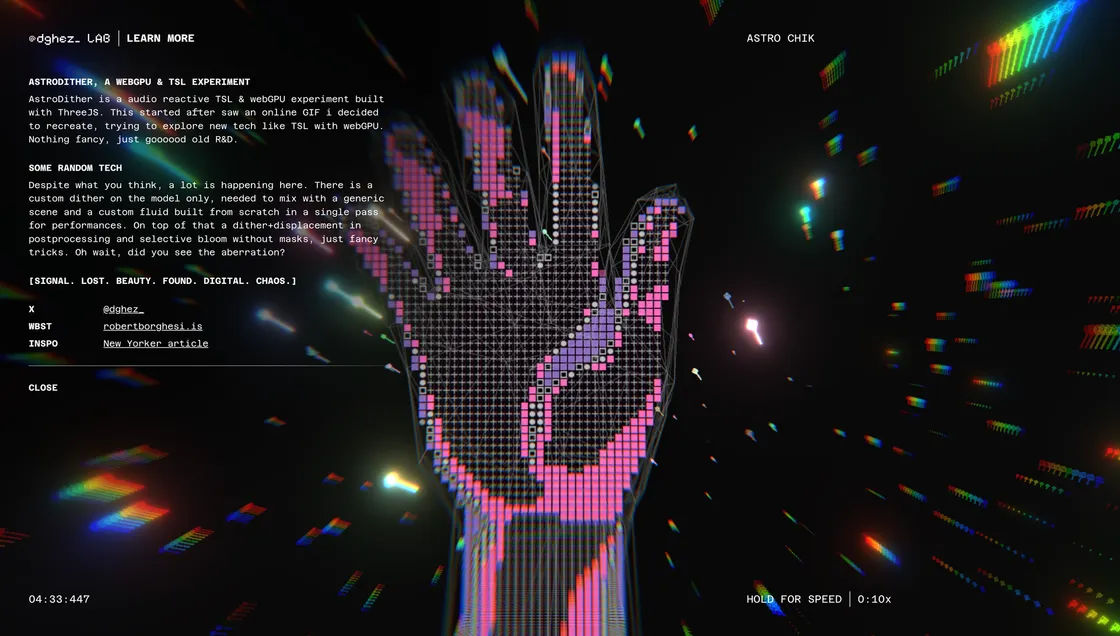
ASTRODITHER Turns Audio Into WebGPU Signal Noise Robert Borghesi’s ASTRODITHER is an audio-reactive Three.js WebGPU experiment using TSL, fluid simulation, bloom, dithering, and time-warped signal noise.
Tubes Cursor Turns the Pointer Into a WebGL Trail Kevin Levron’s Tubes Cursor is a compact Three.js interaction experiment that turns mouse movement into glowing tubular trails and can run through WebGL or WebGPU.
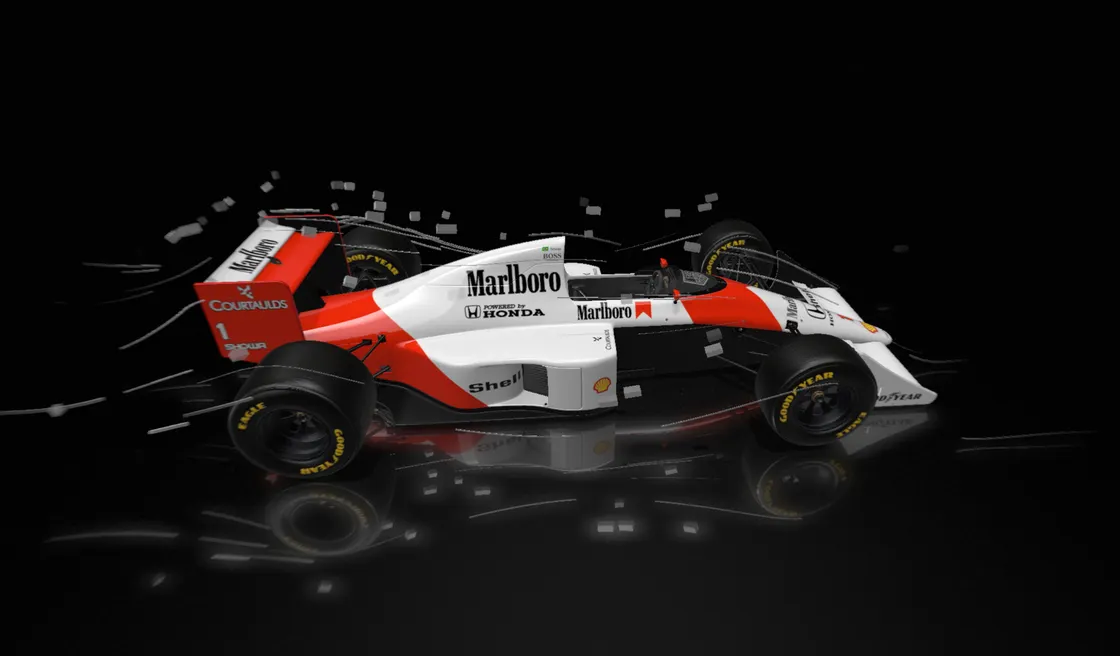
Formula Turns an F1 Model Kit Into a Drivable WebGL Toy Patrick Heintzmann’s Formula starts as a tabletop model kit, then lets you switch modes and drive the tiny F1 machine around the browser with WASD or arrow keys.
Where Worlds Take Shape Makes a Portfolio Playable Jérôme Reynet turns a portfolio into a playable WebGL world, with procedural grass, mini-games, gamepad controls, and project discovery that behaves more like exploration than navigation.
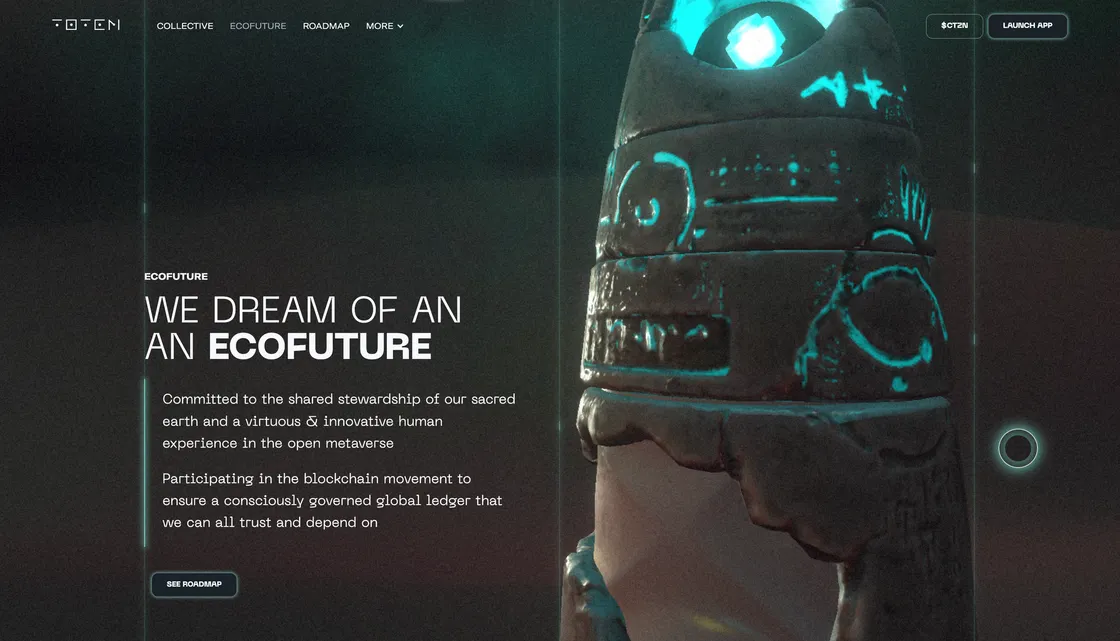
Totem.earth Turns a Web3 Landing Page Into a WebGL Ritual Object OFF+BRAND’s Totem.earth wraps a Web3 ecosystem in smoke, light, and a draggable Three.js object that does most of the branding before the copy gets a turn.
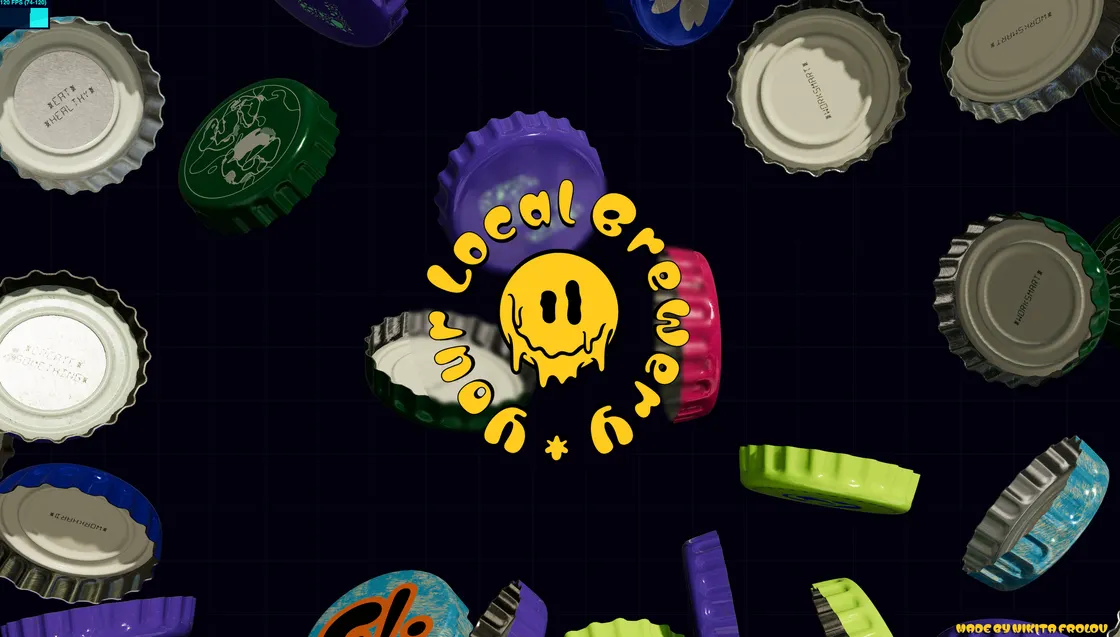
A Brewery Hero Section You Can Push Around A landing page for a brewery that doesn't exist, built so you can shove it around. Real physics rides under the hero: objects with weight that jostle, settle, and won't sit still. A percent counter loads the whole scene before the first frame. The demo is its own documentation.
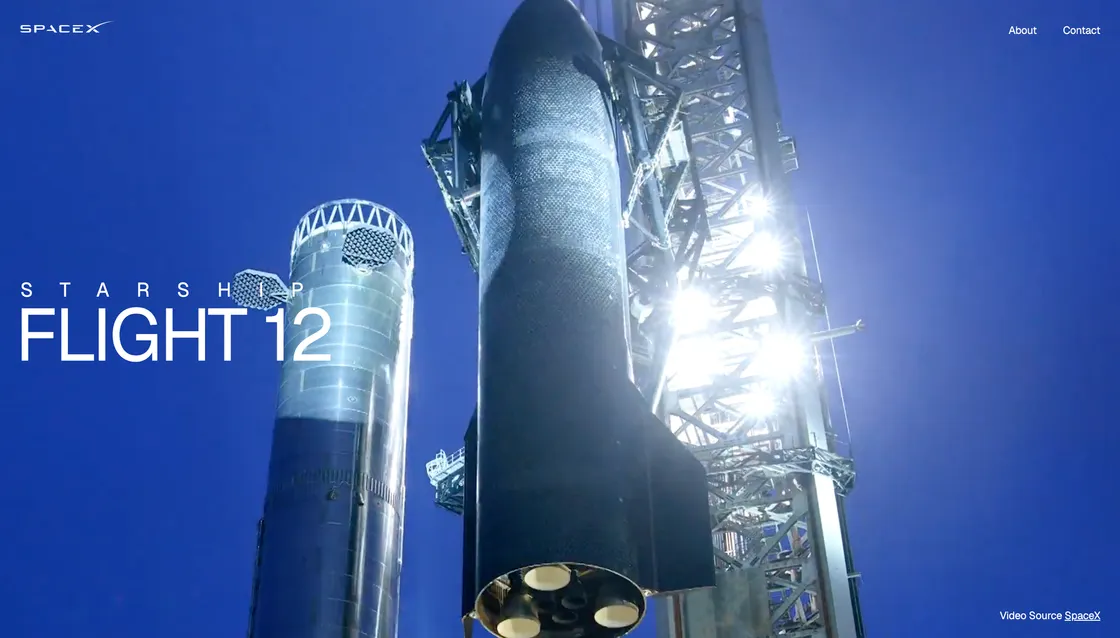
Flight 12: A Starship Launch in WebGL Scroll down and a 124-meter Starship lights its engines beneath you, then flies its whole profile in real time. A scroll-scrubbed Three.js timeline that holds a steady frame the entire way down. Pop the 3D view and orbit it yourself.
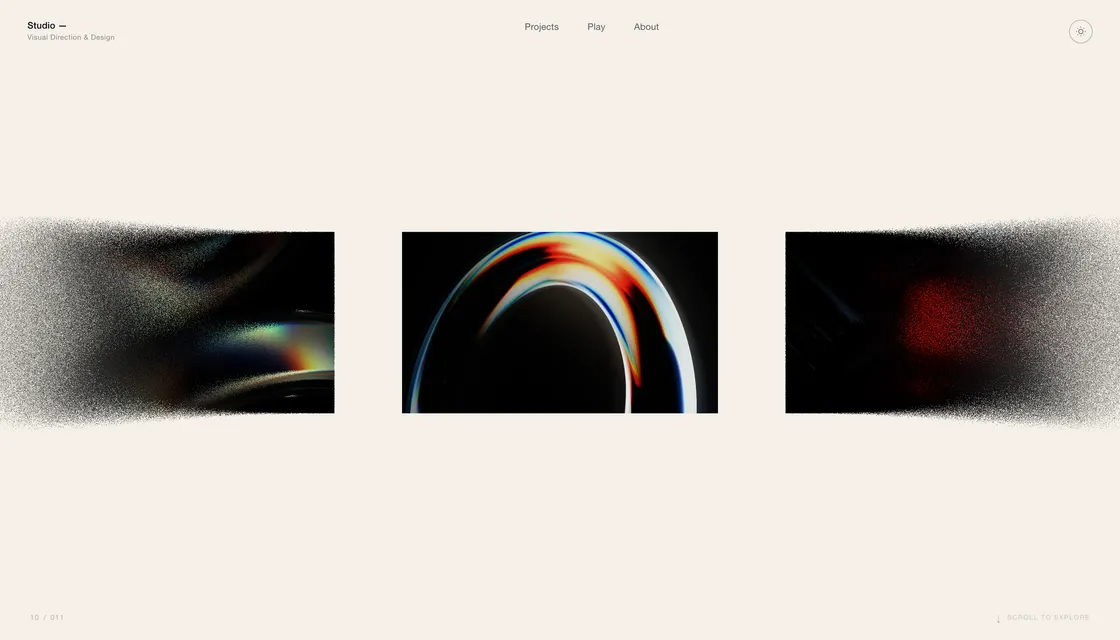
A Project Gallery That Bends Like Film A row of project cards behaves like a strip of film you can scroll, flex, and shove around with your cursor. Built in Three.js with hand-written GLSL, where scroll velocity drives a vertex-shader bend and a post-process pass adds the grainy, almost celluloid edge shimmer.
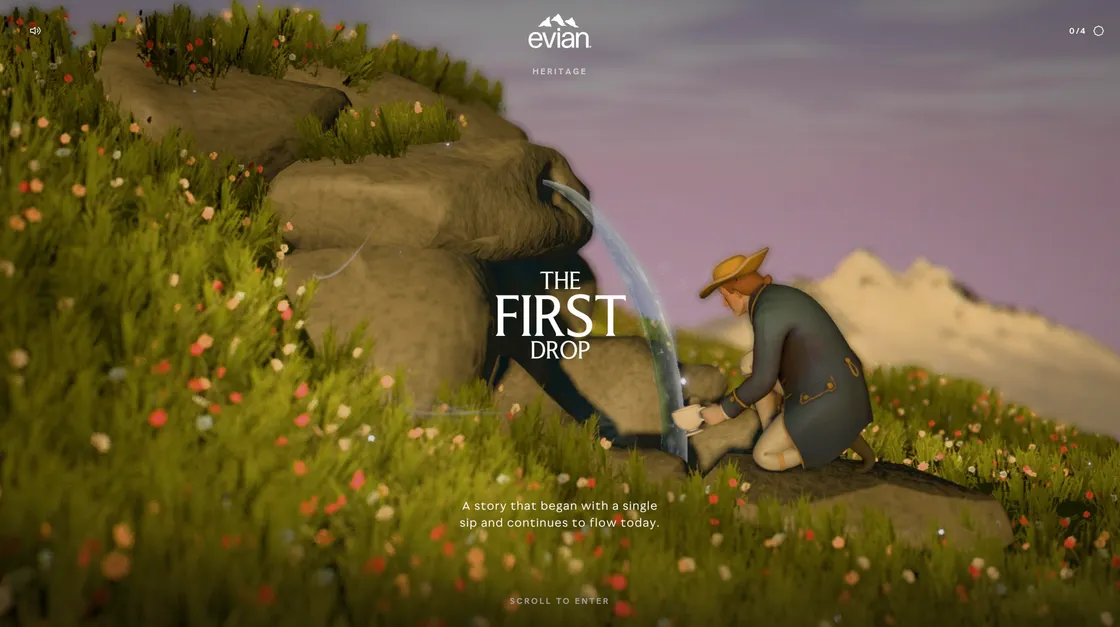
Evian's Bicentennial WebGPU World, Where Rain Runs Downhill Evian's 200th turned into an alpine scene that hands everything to the GPU: rain that lands on peaks and streaks down the slopes, one wind texture every object obeys, lightning generated fresh on each strike, and 20,000 particles colliding against an SDF instead of meshes.
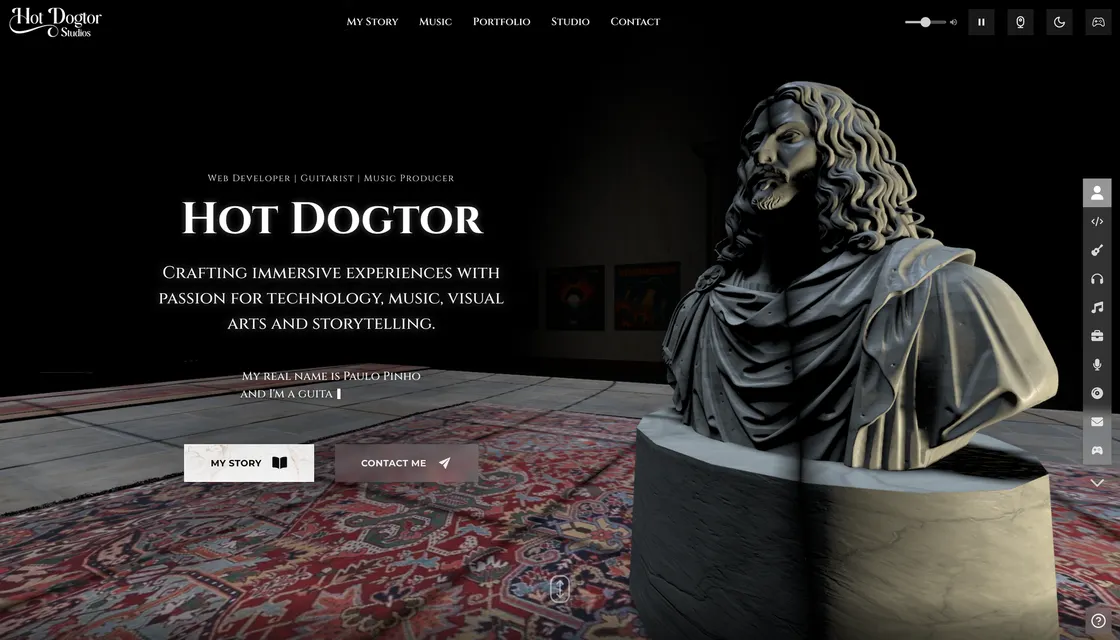
A Portfolio You Walk Through: Hot Dogtor's WebGPU Building Paulo Pinho built his portfolio as a 3D building you wander room by room, scored by his own music. Runs on three.js WebGPU, falls back to WebGL, and ships a Basic version for everyone else. One site, three fidelity tiers, no pretending everyone's on a 4090.
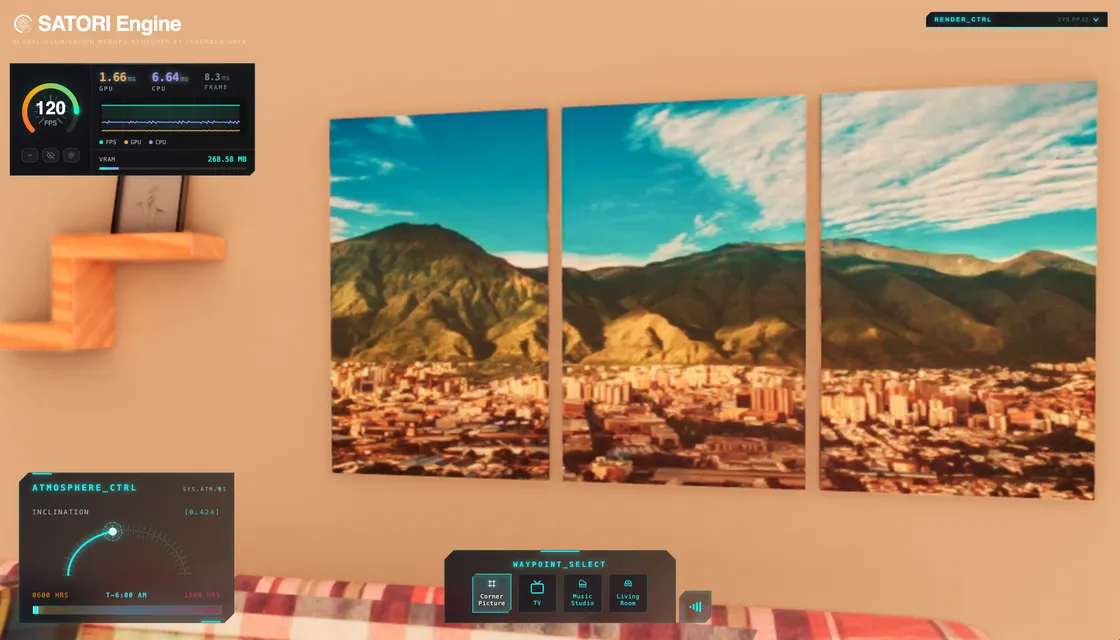
Real-Time Global Illumination in the Browser With SATORI Engine A WebGPU renderer where light actually bounces. Color bleeds across walls, reflections fade off the frame, and the sun slides overhead while exposure holds steady. Built on TSL nodes with a single MRT pass feeding screen-space GI and reflections. Open the GUI and break something.
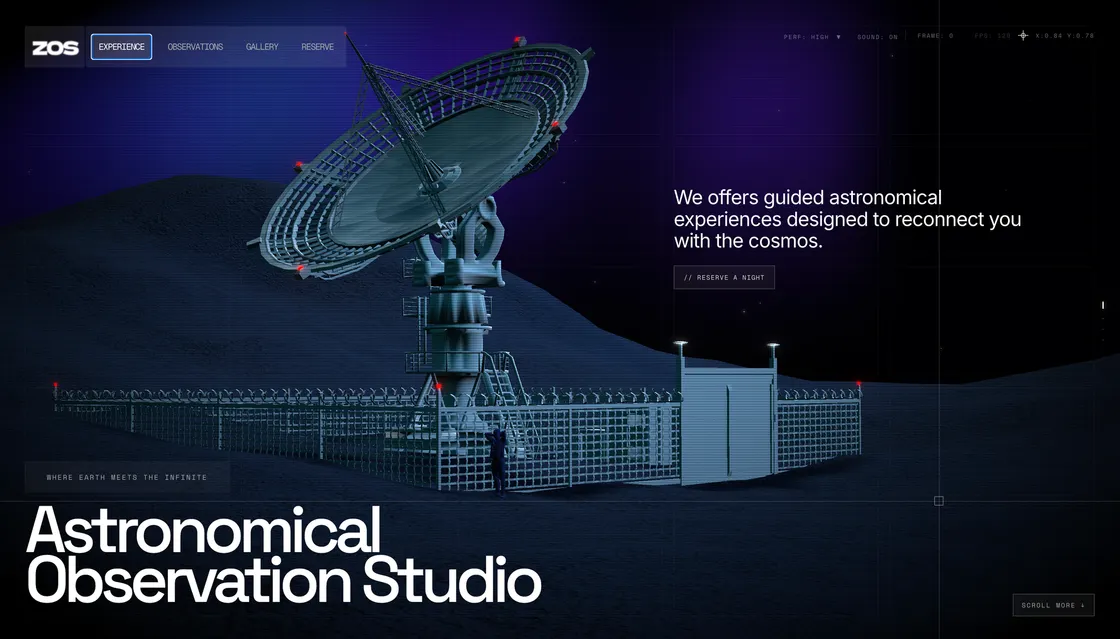
Zenith Observation Studio: An Observatory You Visit Instead of Read A WebGL site that treats deep space as a place, not a pitch. Stars hold steady, depth stacks behind depth, and lighting carries the identity that copy usually does. Tiny on text, enormous on atmosphere. Open it on a big screen and look before you click.
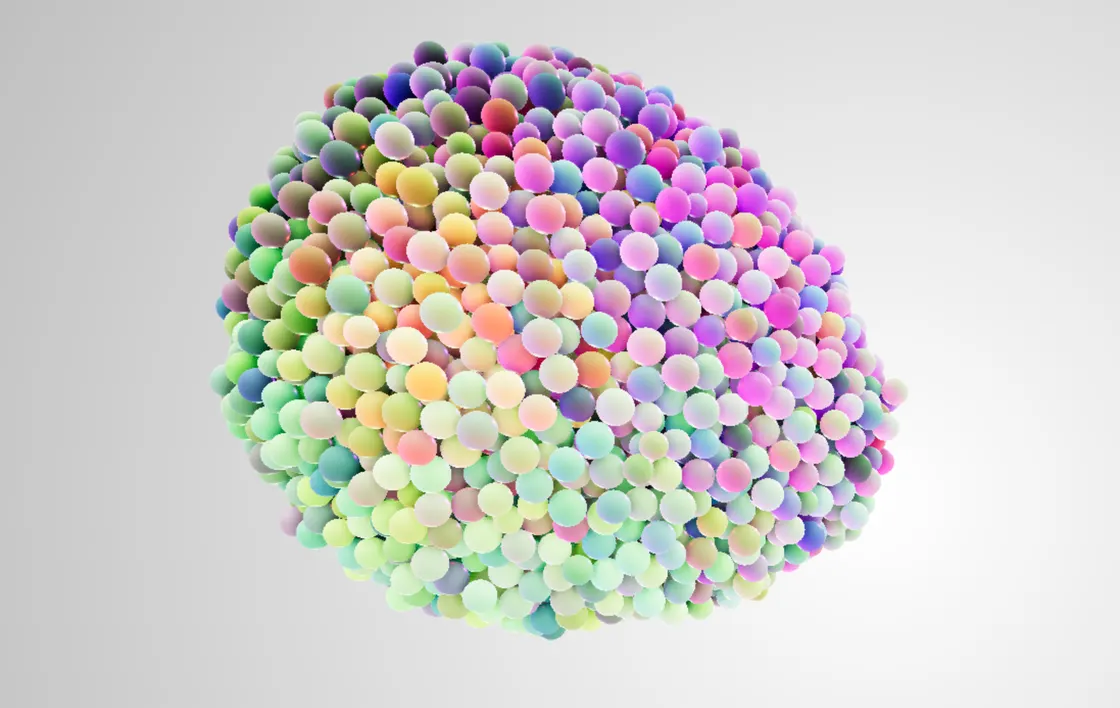
GPU-Side Physics: A Three.js WebGPU Compute Demo Thousands of instanced bodies tumble and collide, with the entire physics step running on the GPU through WebGPU compute and Three.js TSL. No CPU round trip, no framerate flinch. A clean little workbench from Kevin Levron, built to inspect, tweak, and learn from.
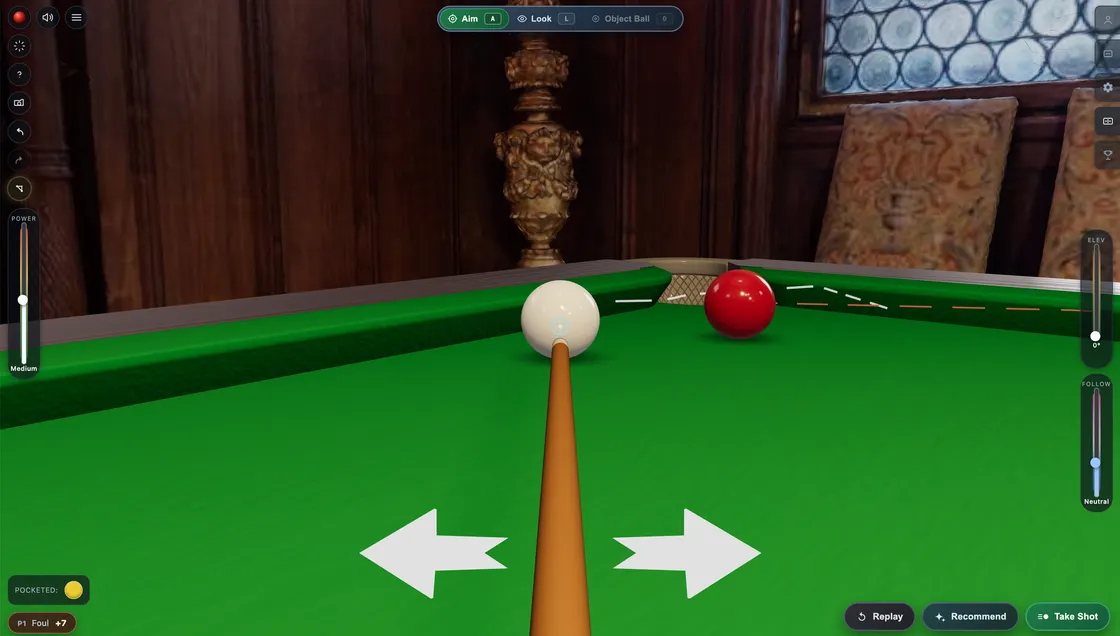
SnookerSim: Snooker With Physics You Can Measure A 3D snooker table you can just walk up to and play. Side spin curls the cue ball off the cushion, deep screw draws it back, and a cage-and-jaw view shows exactly why your ball rattled out. Physics in plain TypeScript, no off-the-shelf engine. Shareable positions, MP4 capture, real recorded sound.