What changed, and why it matters.
Releases, specification changes and writing from the WebGL and WebGPU ecosystem.

What we've published.
The complete run, newest first.

Meta Opens $300K Competition for AI-Built Three.js Games
Meta is asking existing Horizon Creator Program members to prompt-build playable, self-contained Three.js/HTML5 mobile game prototypes in three weeks, with $300,000 split across cash prizes and conditional completion grants.
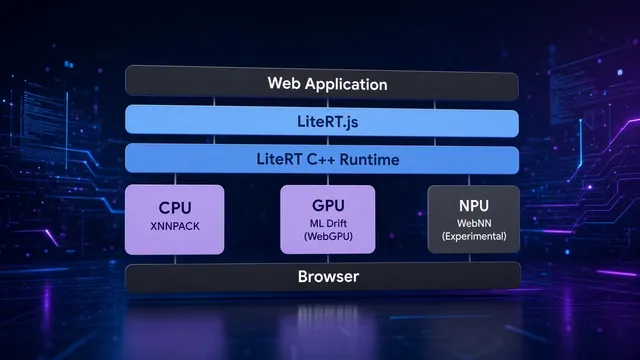
Google Brings LiteRT Inference to the Browser With WebGPU
Google has brought its LiteRT on-device inference stack to the browser, with XNNPACK on CPU, ML Drift over WebGPU, and experimental WebNN support for NPUs.

WASI-WebGPU 0.3 RC Takes GPU Compute Beyond the Browser
The Phase 2 wasi:webgpu proposal has a 0.3 release candidate, mapping WebGPU-style GPU access into WASI for portable, sandboxed compute across servers, desktops, Android, and the web.

glTF 2.1 Aims At Complex Scenes, Not Just Single Assets
Khronos is planning glTF 2.1 as a backward-compatible update focused on large composed scenes, external assets, packaging, BVHs, thumbnails, and 64-bit GLB files.
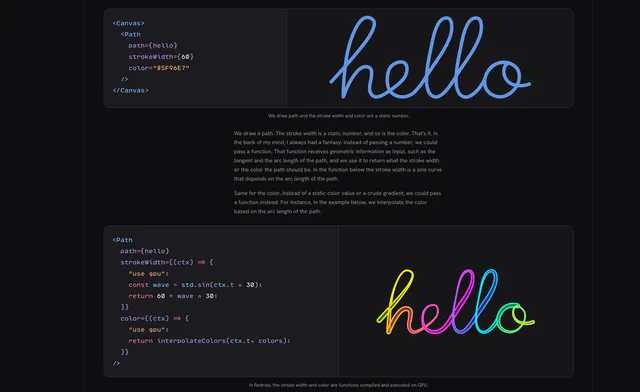
Redraw Brings WebGPU Shaders to 2D Paths
William Candillon’s Redraw explores WebGPU-native 2D path rendering, with programmable Bézier geometry, variable stroke widths, vector feathering, and TypeScript shader functions.
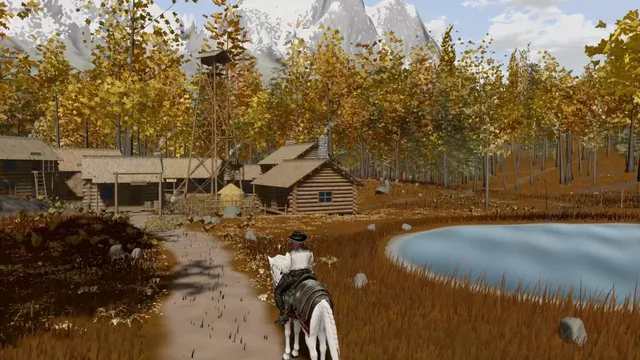
Kimi K3 Uses Three.js WebGPU for an AI-Built 3D Game Demo
Moonshot’s Kimi K3 launch includes a notable WebGPU case study: an AI-built procedural 3D exploration game using Three.js WebGPU and GPU compute.

Chrome 149-150 Brings Immediates to WebGPU
Chrome 149-150 adds WebGPU immediates, tightens transient attachment validation, and continues Dawn cleanup work. Small changes, but useful ones for developers pushing many tiny per-draw updates.
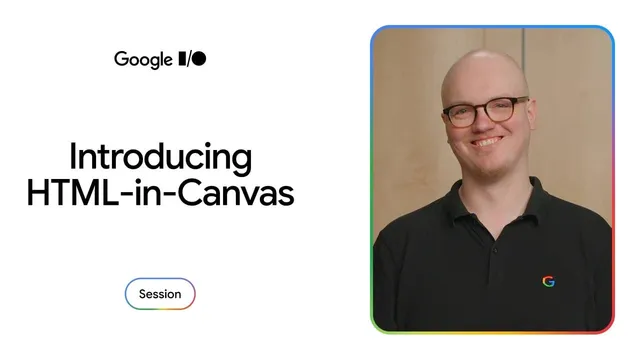
Google Introduces HTML-in-Canvas API: Accessible UI Meets WebGL / WebGPU
At Google I/O 2026, Chrome engineer Thomas Nattestad unveiled the HTML-in-Canvas API, which is a new web platform feature that lets developers render HTML elements directly into canvas, WebGL, and WebGPU contexts while preserving accessibility and interactivity.

WebGPU Meets Zero-Knowledge: Can Browser-Based Proving Finally Work?
zkSecurity integrated WebGPU compute shaders with StarkWare's Stwo prover and hit 5x speedups on constraint polynomial evaluation.
WebGPU Hits Critical Mass: All Major Browsers Now Ship It
Chrome, Firefox, Safari, and Edge all ship WebGPU by default. Eight years of spec work finally pays off. Here is what changed, where the gaps remain, and why this matters for graphics and compute on the web.