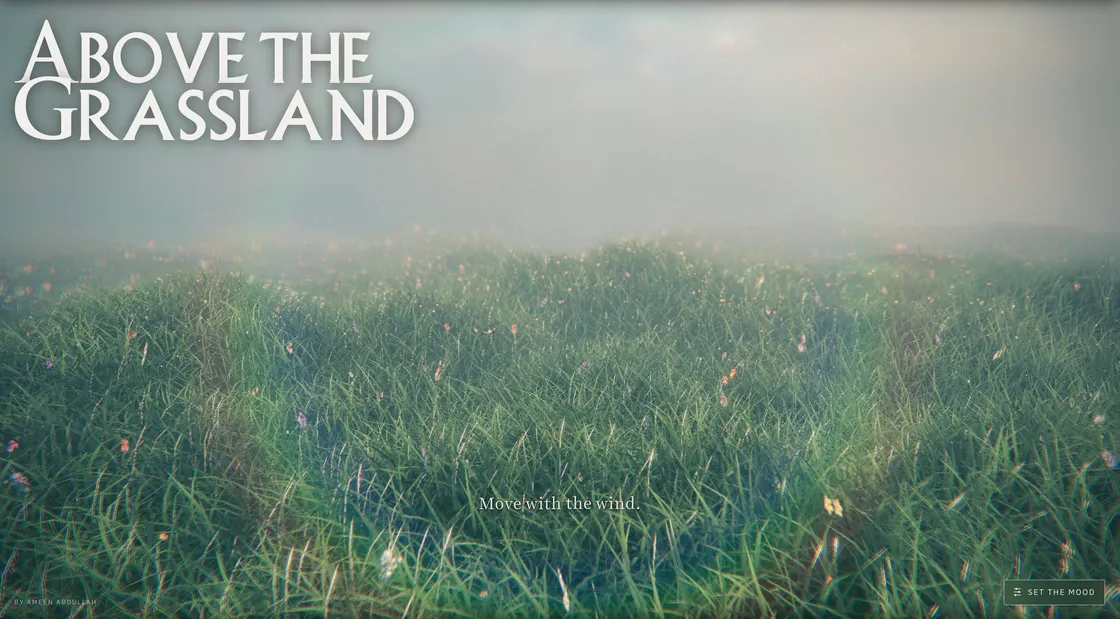
Above the Grassland Builds a Cinematic WebGPU Field Ameen Abdullah’s Above the Grassland is a browser cinematic with WebGPU postprocessing, moving grass fields, weather presets, audio, narration, subtitles, and mood controls.
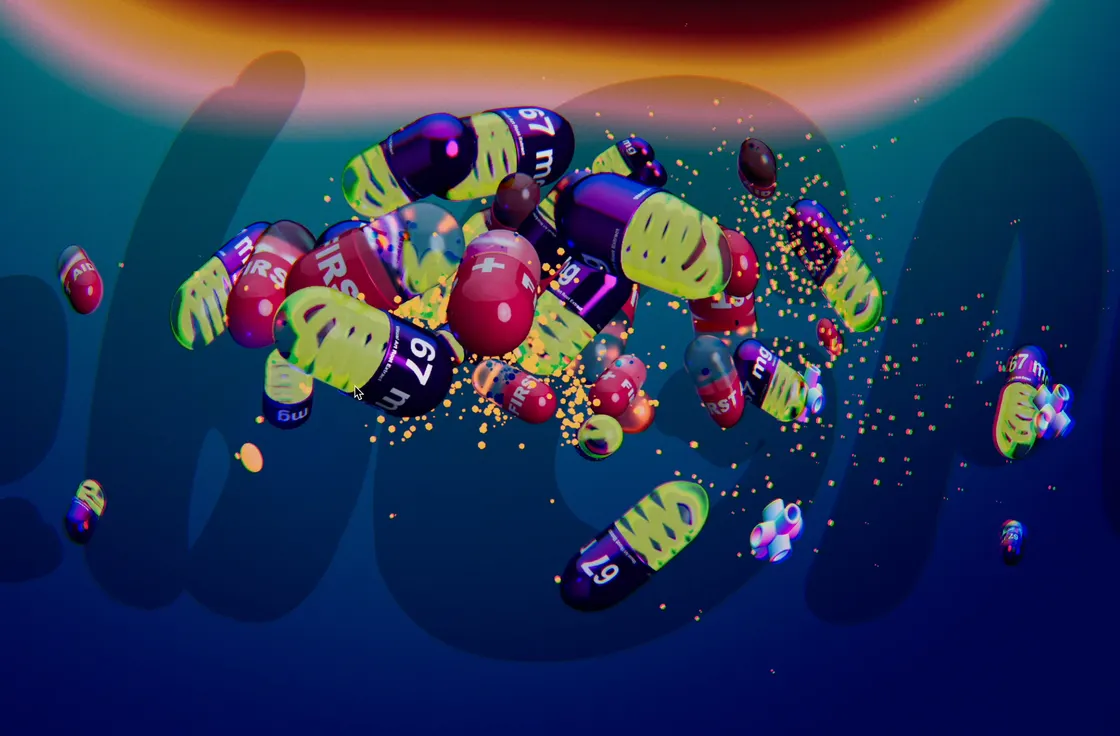
Interactive Physics With a TSL Fisheye Lens Nikita Frolov combines physics-driven motion, glass refraction, iridescent metal, post FX, and a custom TSL fisheye node in a compact WebGPU experiment.
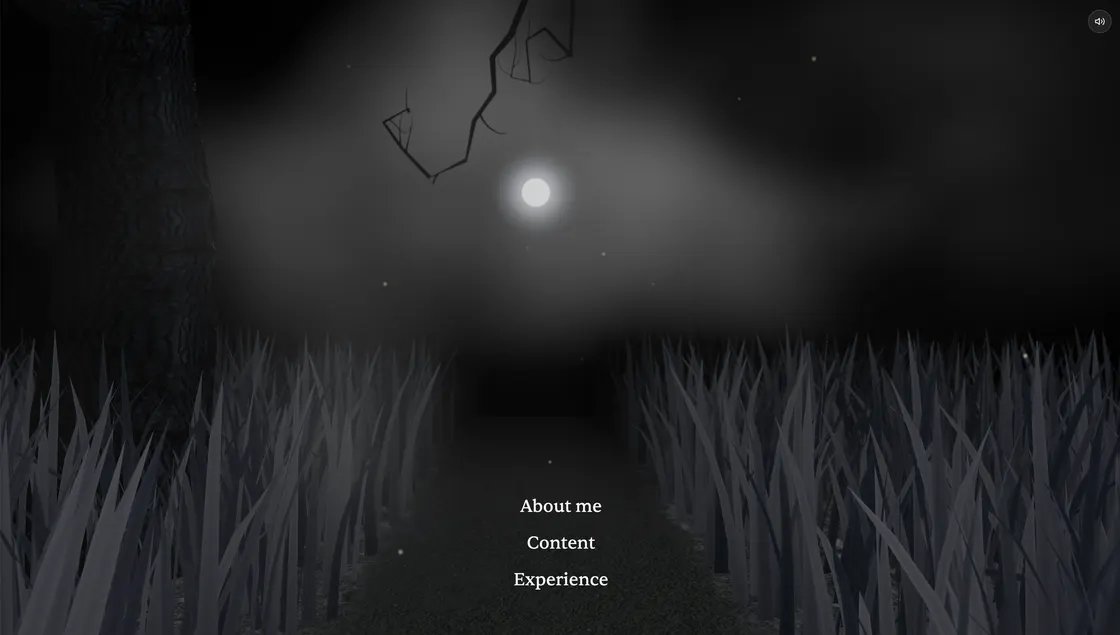
Jaime Torrealba Builds a Moonlit Field Portfolio in Three.js A personal Three.js portfolio staged as a moonlit field, with TSL, GPU grass simulation, volumetric smoke, procedural trees, fireflies, and camera-driven movement.
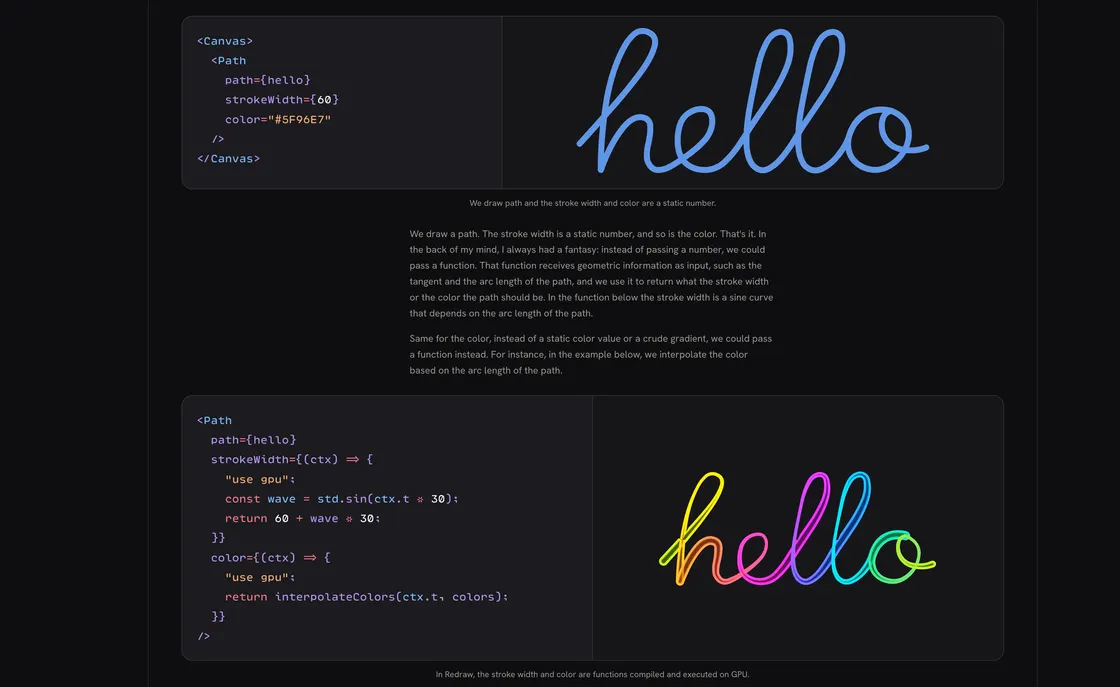
Redraw Brings WebGPU Shaders to 2D Paths William Candillon’s Redraw explores WebGPU-native 2D path rendering, with programmable Bézier geometry, variable stroke widths, vector feathering, and TypeScript shader functions.
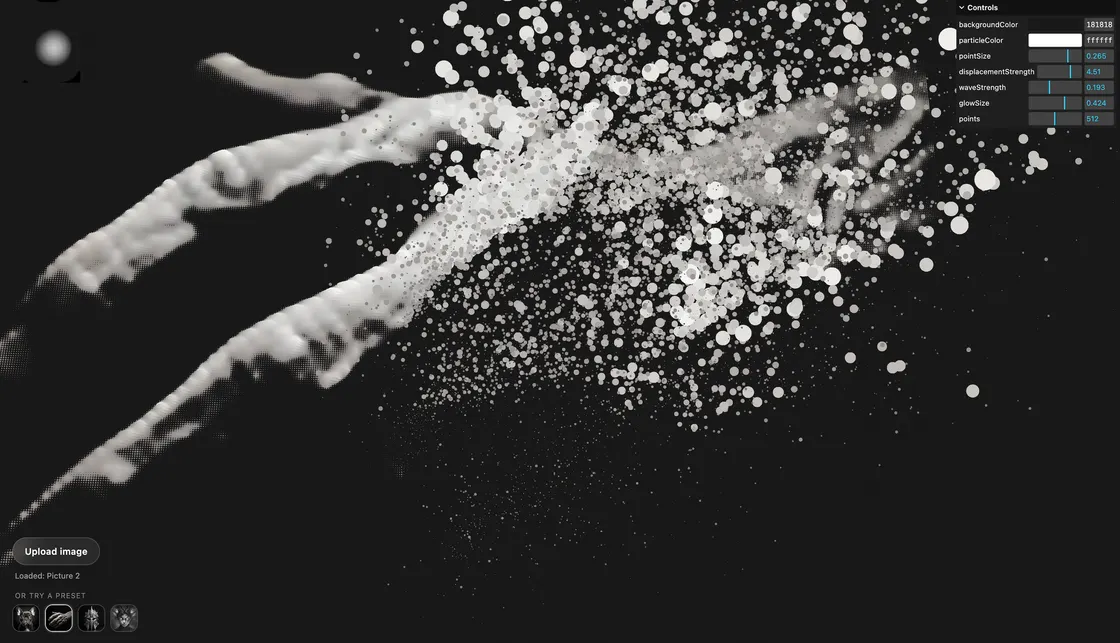
Particles Cursor Turns Images Into a Shader Field Gabriel Villanueva’s Three.js experiment turns images into particle grids that react to cursor movement through GLSL displacement, texture color, and real-time controls.
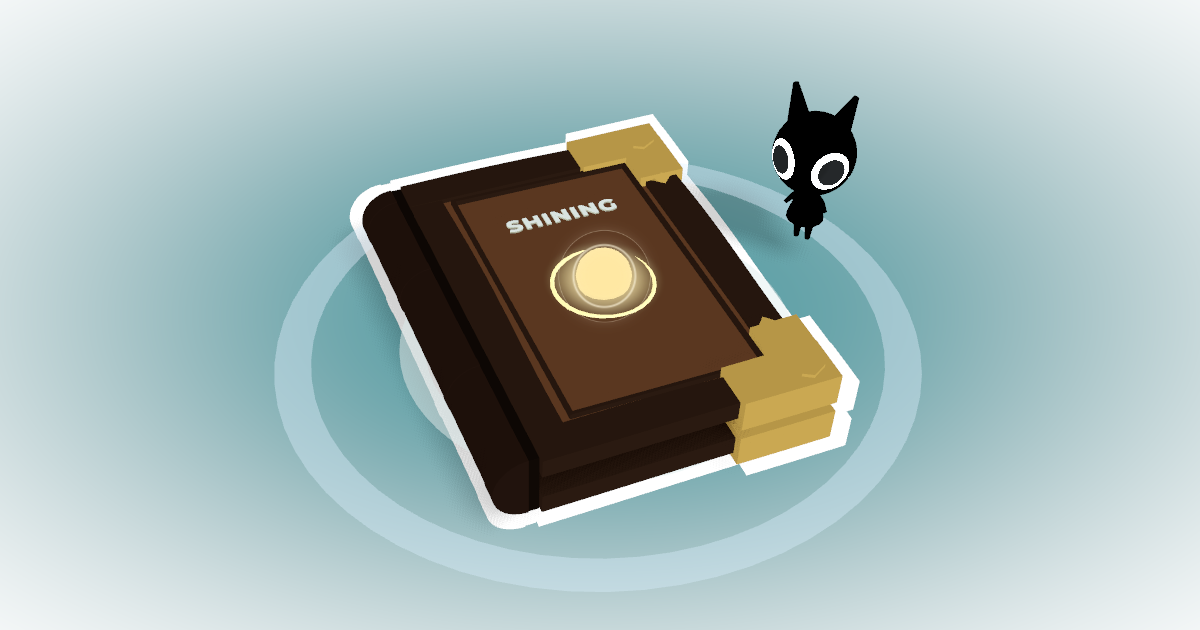
Shining Turns WebGPU Into A Small 3D Storybook Chanwoo Hwang’s Shining is a short 3D interactive storybook built with Three.js WebGPU, using pages, light, and spatial scenes as the interface.
ASTRODITHER Turns Audio Into WebGPU Signal Noise Robert Borghesi’s ASTRODITHER is an audio-reactive Three.js WebGPU experiment using TSL, fluid simulation, bloom, dithering, and time-warped signal noise.
Tubes Cursor Turns the Pointer Into a WebGL Trail Kevin Levron’s Tubes Cursor is a compact Three.js interaction experiment that turns mouse movement into glowing tubular trails and can run through WebGL or WebGPU.
A React Three Fiber Portfolio That's Fluid Scroll and the work sloshes. Toggle and a carousel snaps into an alphabetized grid, the whole 3D scene graph rearranging while the DOM shadows it underneath. Maxi Ruti built it in React Three Fiber and wired reduced-motion in from the start, so the ambition ships without the spinner.
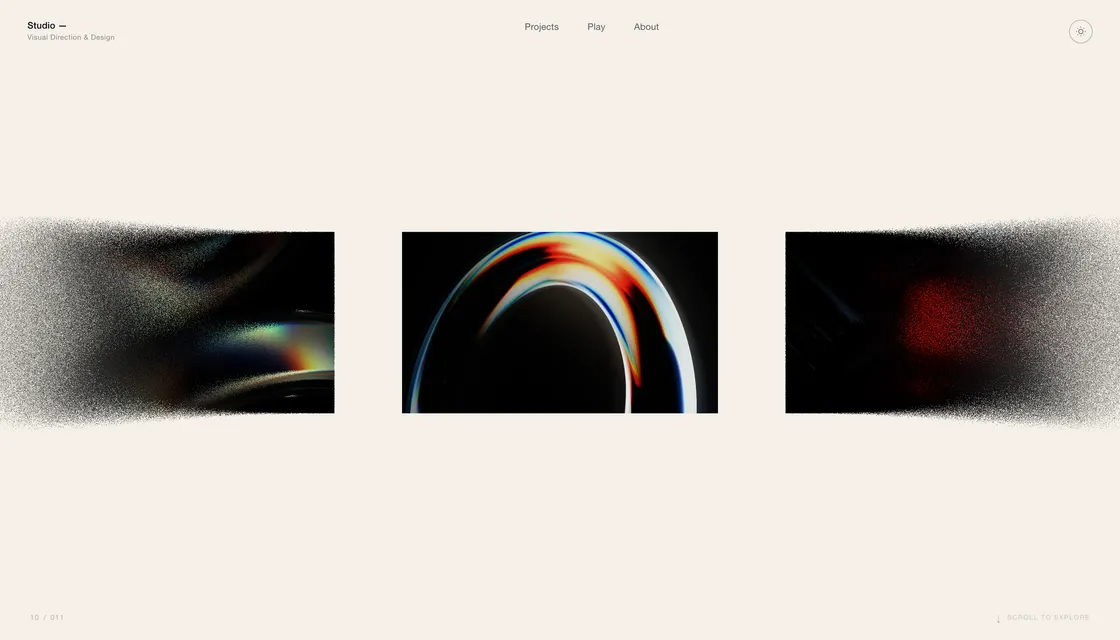
A Project Gallery That Bends Like Film A row of project cards behaves like a strip of film you can scroll, flex, and shove around with your cursor. Built in Three.js with hand-written GLSL, where scroll velocity drives a vertex-shader bend and a post-process pass adds the grainy, almost celluloid edge shimmer.
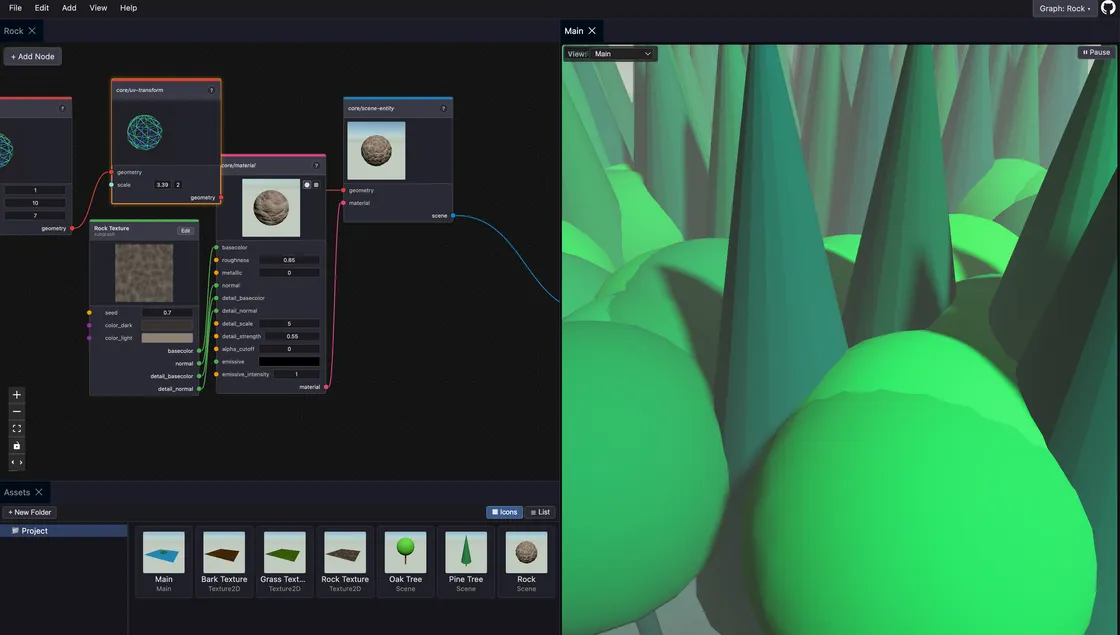
A 9k Forest: Node-Based 3D Assets in WebGPU Sedon wires a node graph into a real-time WebGPU renderer to grow a whole forest from about 9k of data. Rayleigh skies, rippling water, runtime LOD terrain, and a saved scene that fits in a URL. The twist: nearly every shader and pipeline was vibe coded, no engine involved.
GPU-Side Physics: A Three.js WebGPU Compute Demo Thousands of instanced bodies tumble and collide, with the entire physics step running on the GPU through WebGPU compute and Three.js TSL. No CPU round trip, no framerate flinch. A clean little workbench from Kevin Levron, built to inspect, tweak, and learn from.
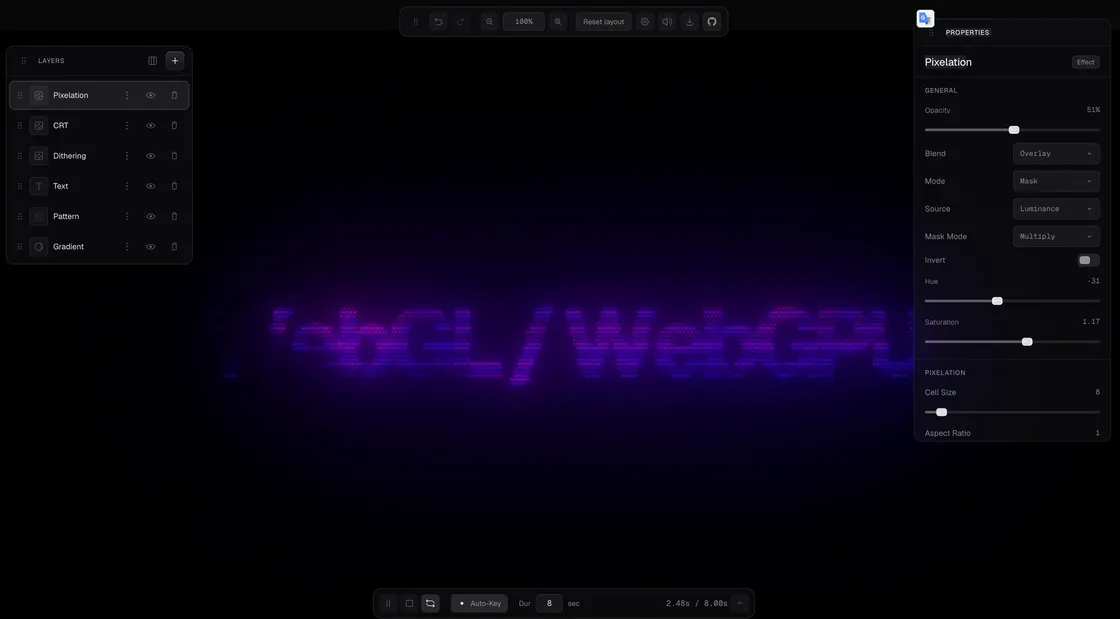
Shader Lab: Stack, Animate, and Export GPU Shaders in the Browser A layered shader compositor that runs on WebGPU. Stack gradients, text, and TSL passes, then bend them through a CRT layer that models phosphor smear and channel convergence. Write shaders as node graphs, keyframe the knobs, and export the whole thing into React.
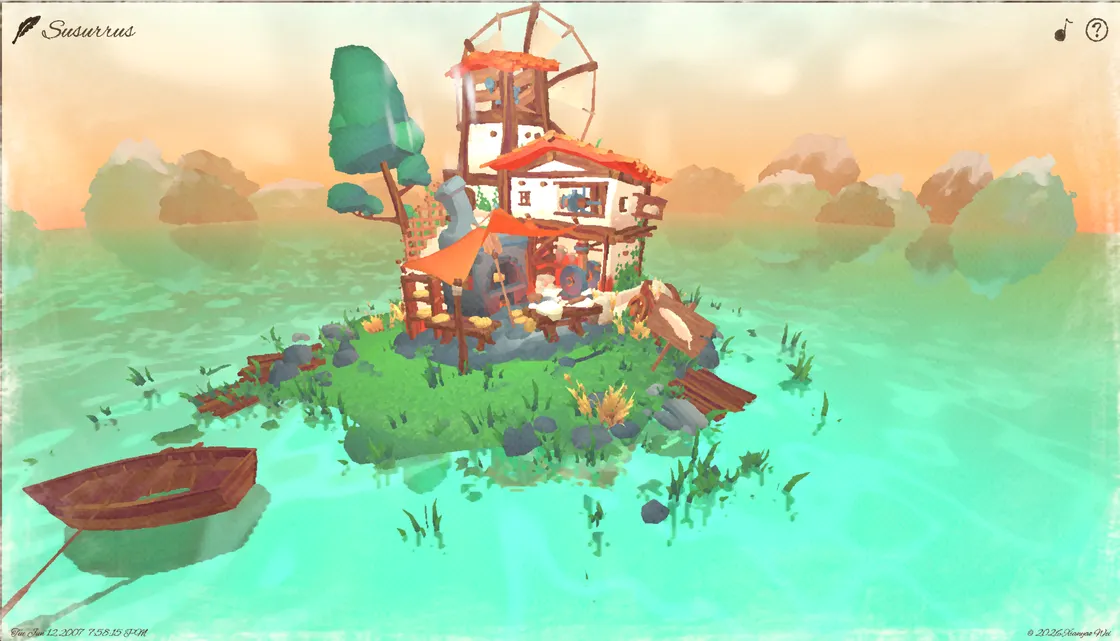
Susurrus: A Watercolor World Built in Three.js A spatial web piece by Xianyao Wei. Cream-and-sepia watercolor, motion that drifts like ink in water, a small 3D figure waiting to be nudged. Three.js and Blender geometry over WebGL, with a physics-flavored interaction layer doing most of the storytelling.
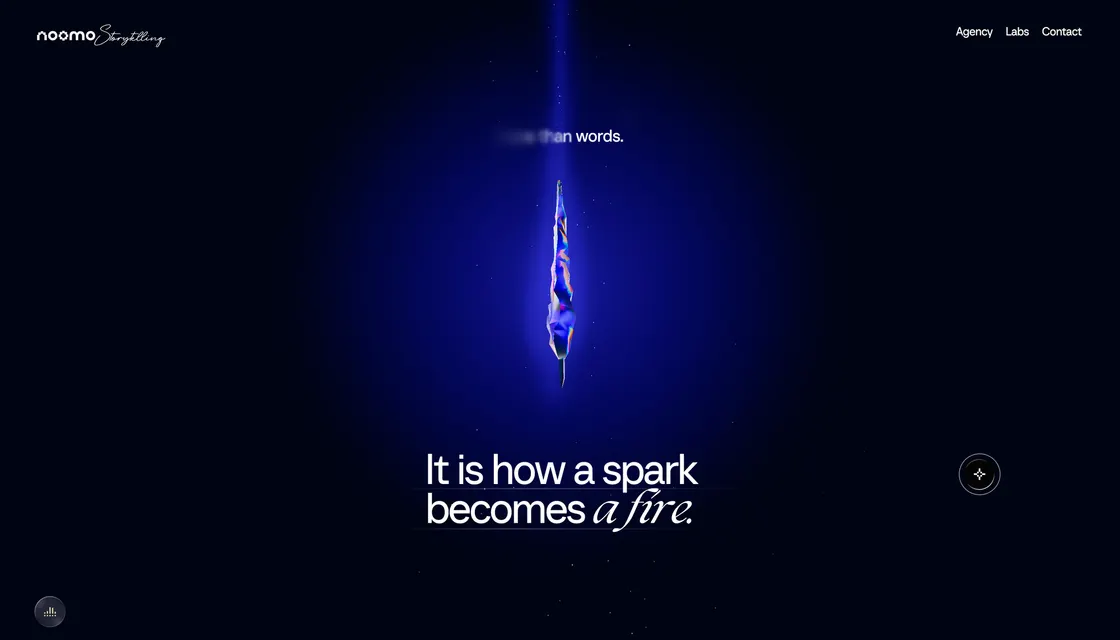
Noomo's 3D Storytelling Site: A Walk Through Phoenix Noomo's storytelling site turns five client stories into rooms in a lit hallway, with animation bound to scroll instead of autoplay. Three.js doing the heavy lifting, WebGPU peeking around the corner on sister projects. Worth opening the network tab for.
BND Agency: An Agency Portfolio Built as a Showroom Doan Bao Nam rebuilt the agency portfolio as a showroom you move through, not a page you scroll. Interactive 3D canvases and a custom audio-visual engine share a single frame, holding 60 FPS while sound and geometry run at once. Open devtools and watch how it stays steady.