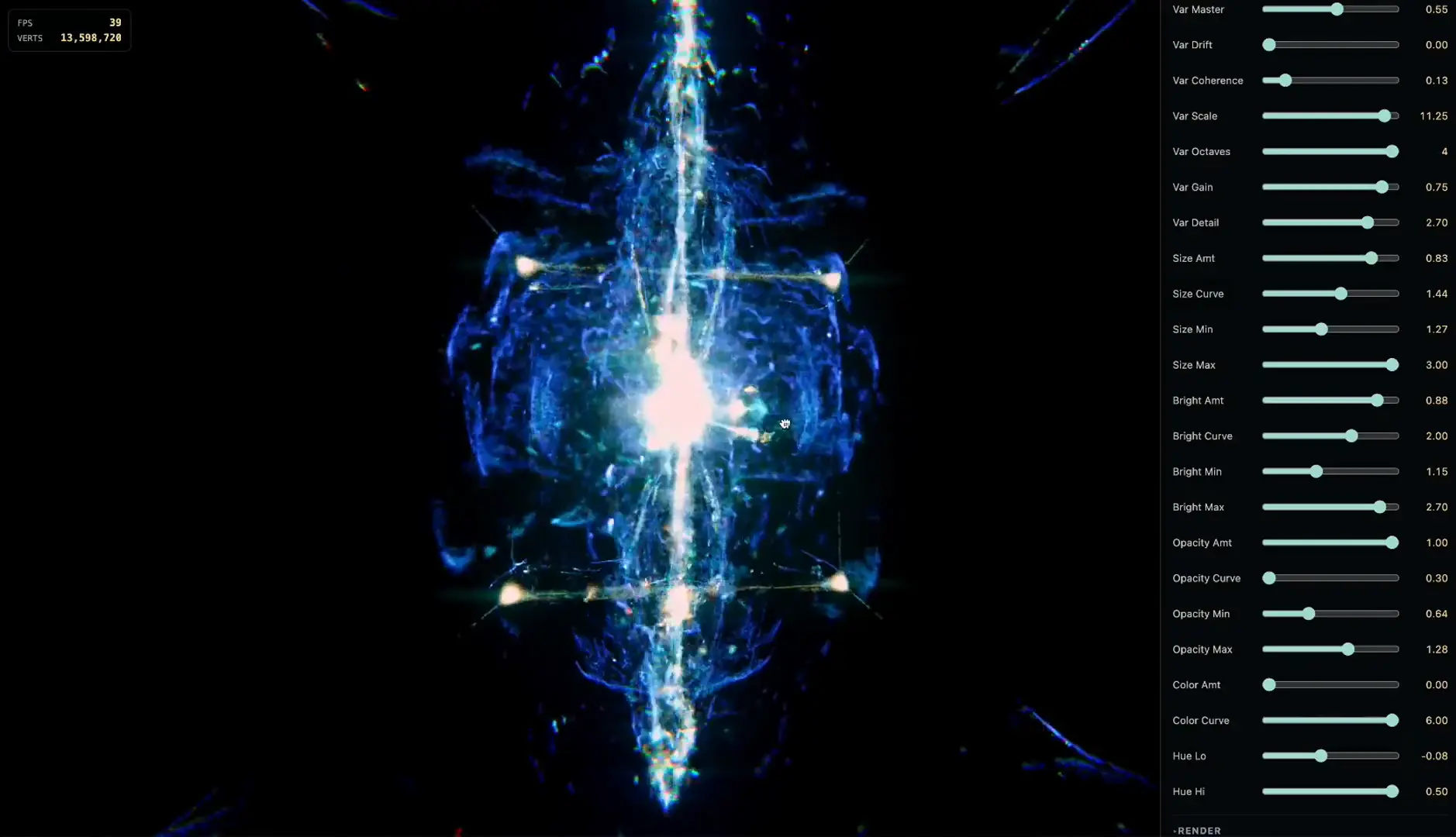
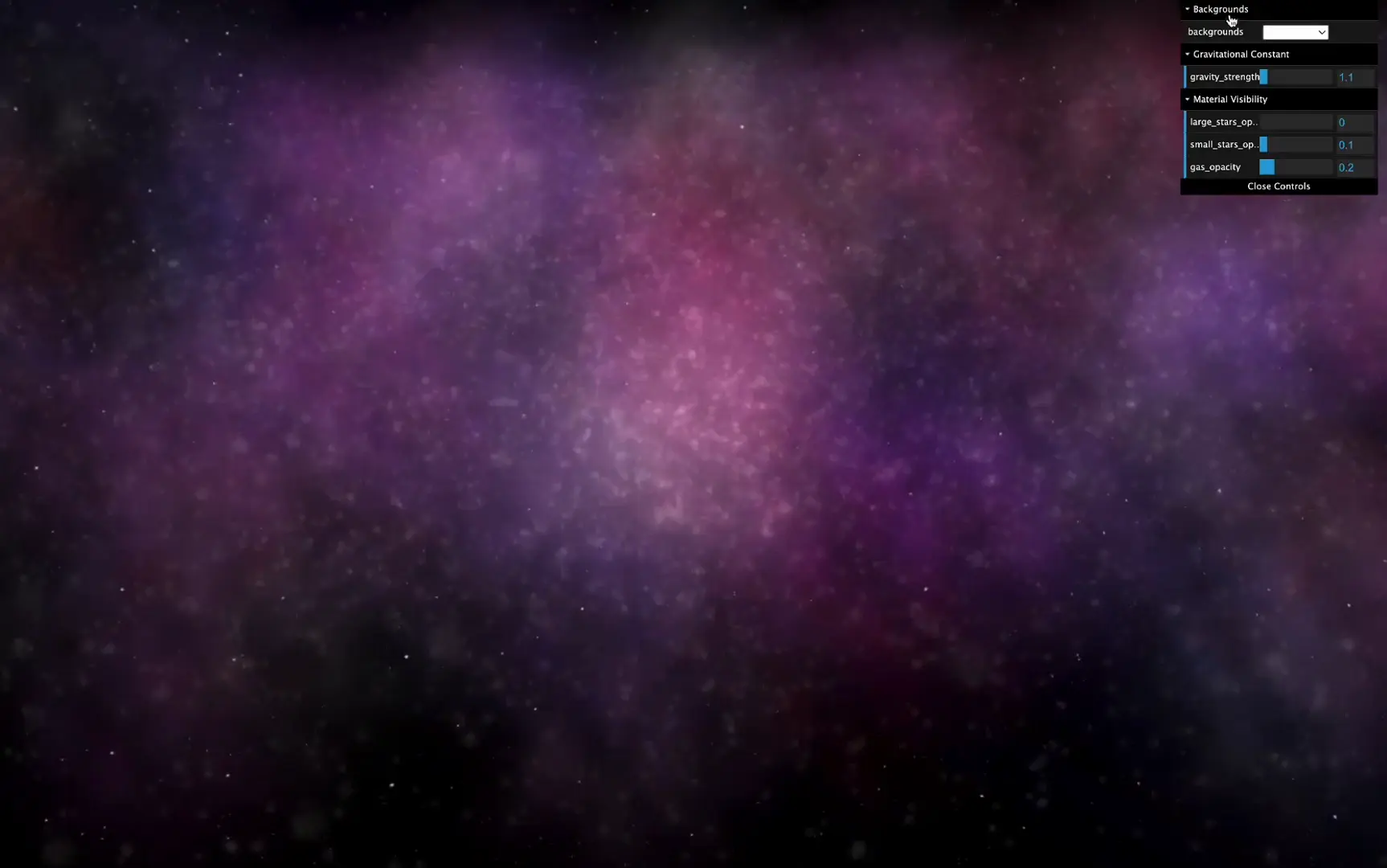
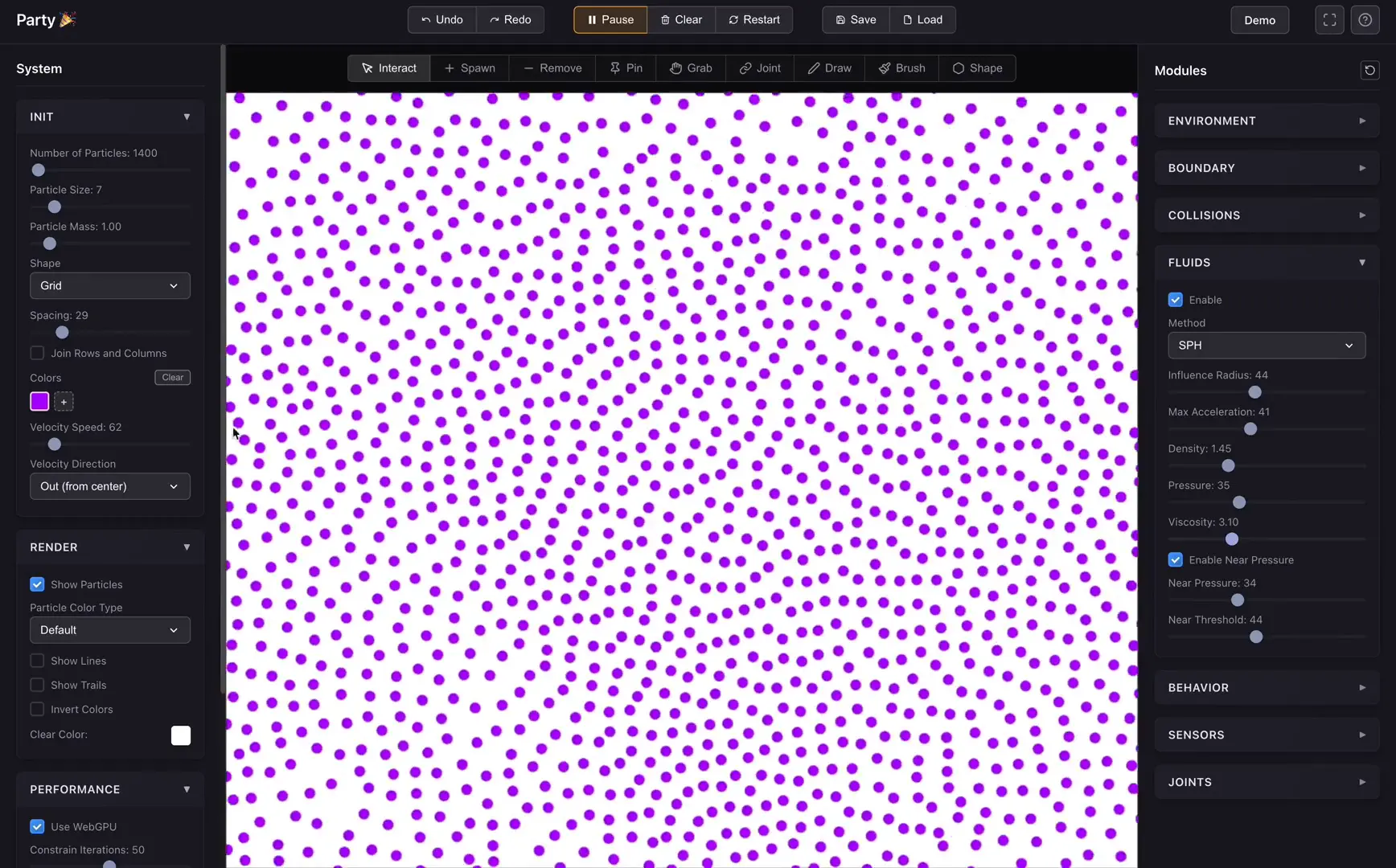
3D Life Sim Turns Artificial Life Into a WebGPU Instrument Aaron Lemke's 3D Life Sim is an open-source WebGPU particle life simulation with live audio input, MIDI mapping, presets, and cockpit controls for exploring emergent forms.
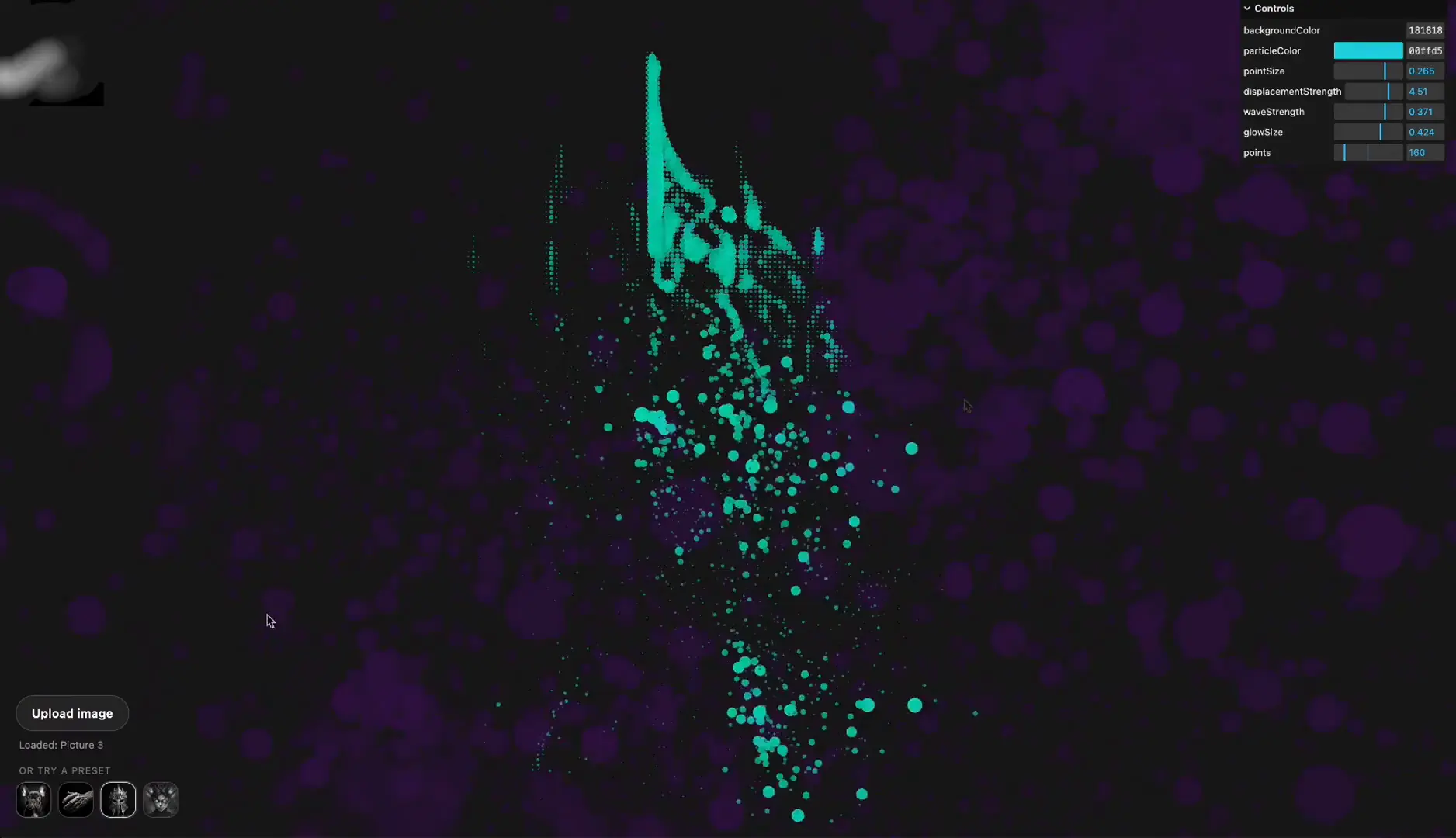
Particles Cursor Turns Images Into a Shader Field Gabriel Villanueva’s Three.js experiment turns images into particle grids that react to cursor movement through GLSL displacement, texture color, and real-time controls.
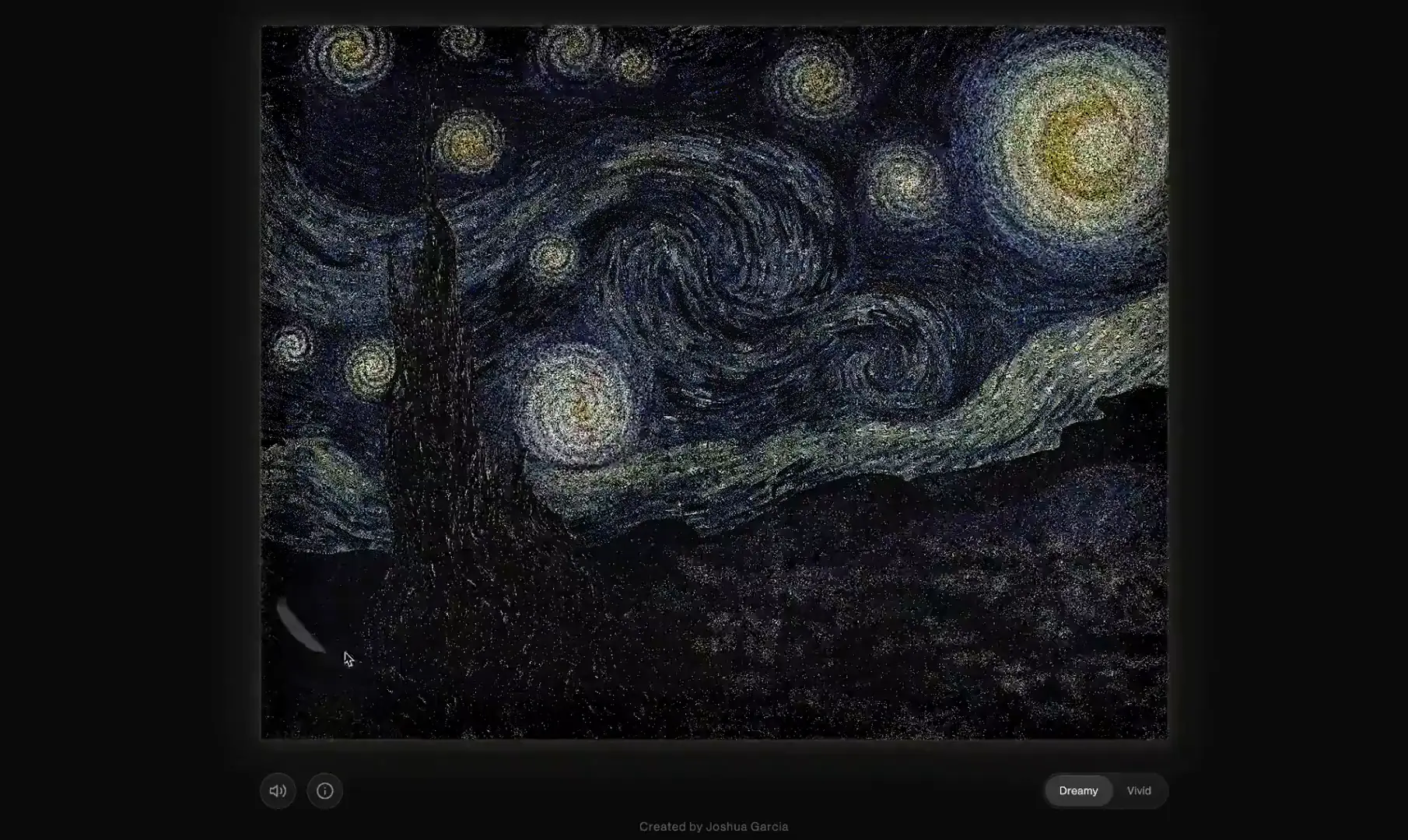
Still Night: Play Van Gogh's Starry Night as a WebGL Instrument Van Gogh's Starry Night, rebuilt as a point cloud you can play. Touch a bright swirl and it answers high; the dark hills drop low. Brushstrokes drift along Van Gogh's own paths, and five regions form a Tone.js orchestra. You play the painting to make the music.
Evian's Bicentennial WebGPU World, Where Rain Runs Downhill Evian's 200th turned into an alpine scene that hands everything to the GPU: rain that lands on peaks and streaks down the slopes, one wind texture every object obeys, lightning generated fresh on each strike, and 20,000 particles colliding against an SDF instead of meshes.
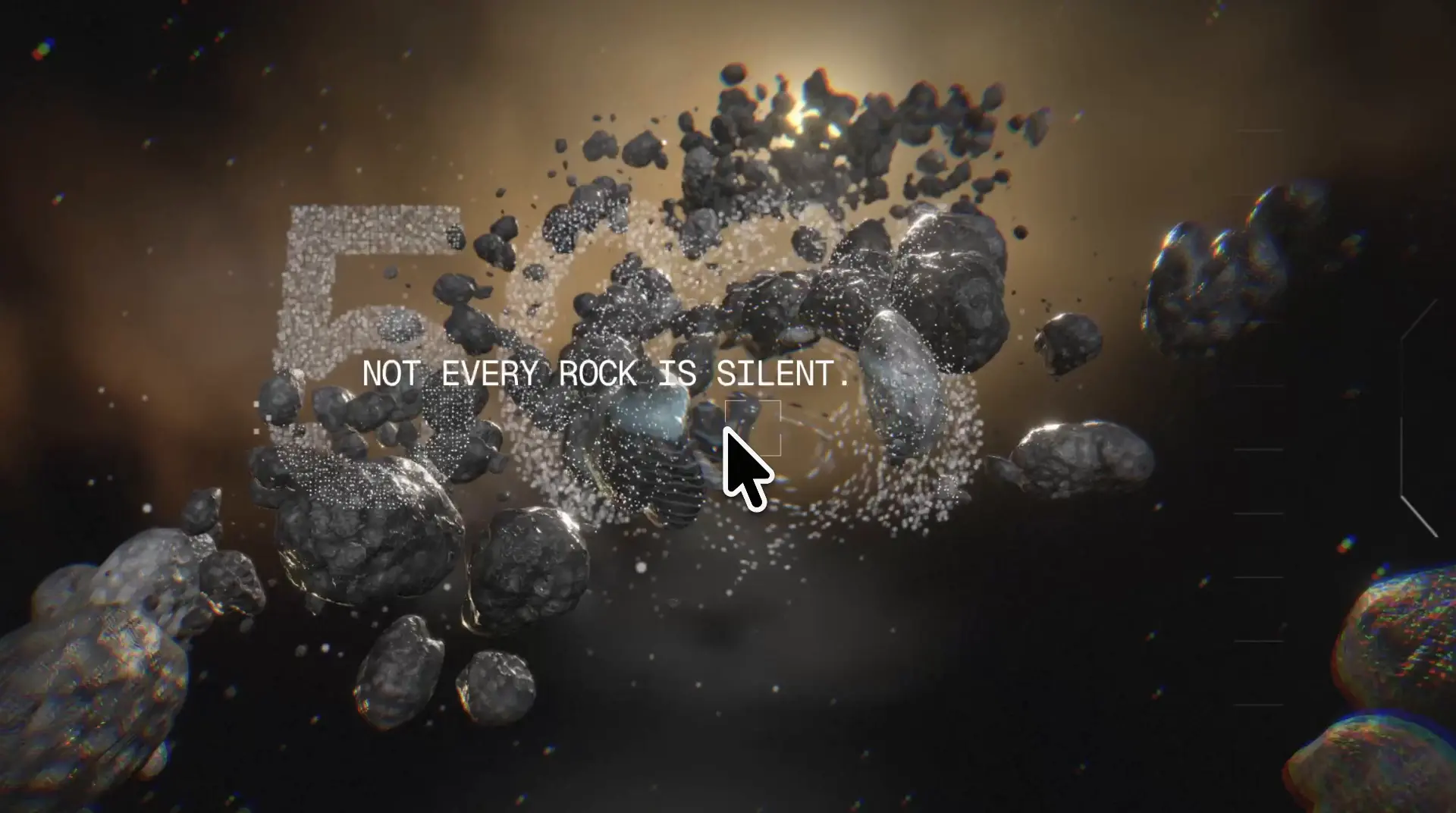
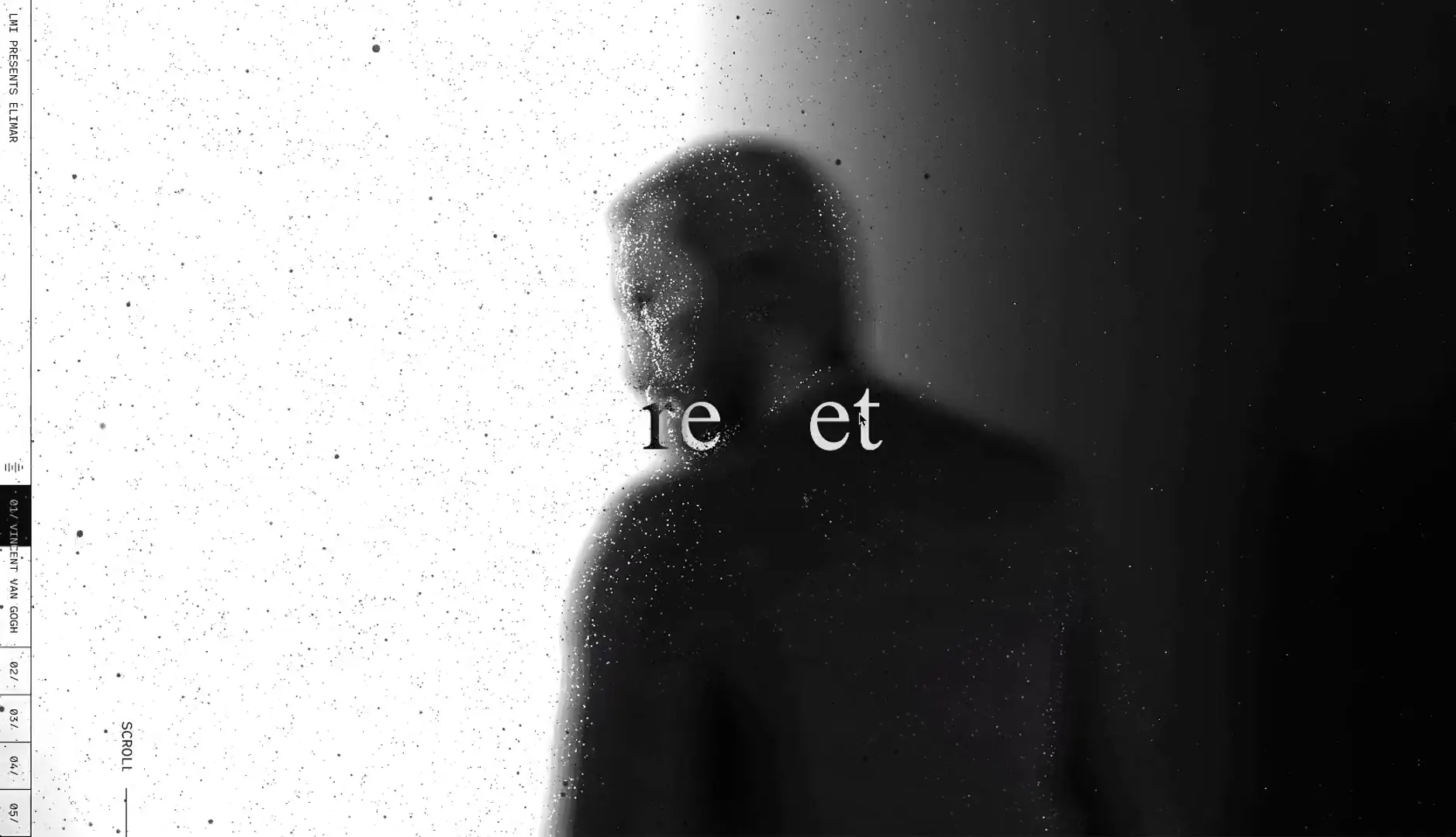
Elimar: A Lost Van Gogh, Rendered in Particles OddCommon's hour-long scrollytelling for LMI Group renders Vincent van Gogh as a cloud of black and white motes that scatter on approach and reform at distance. One particle system in many disguises, wrapped around four years of forensic art authentication.
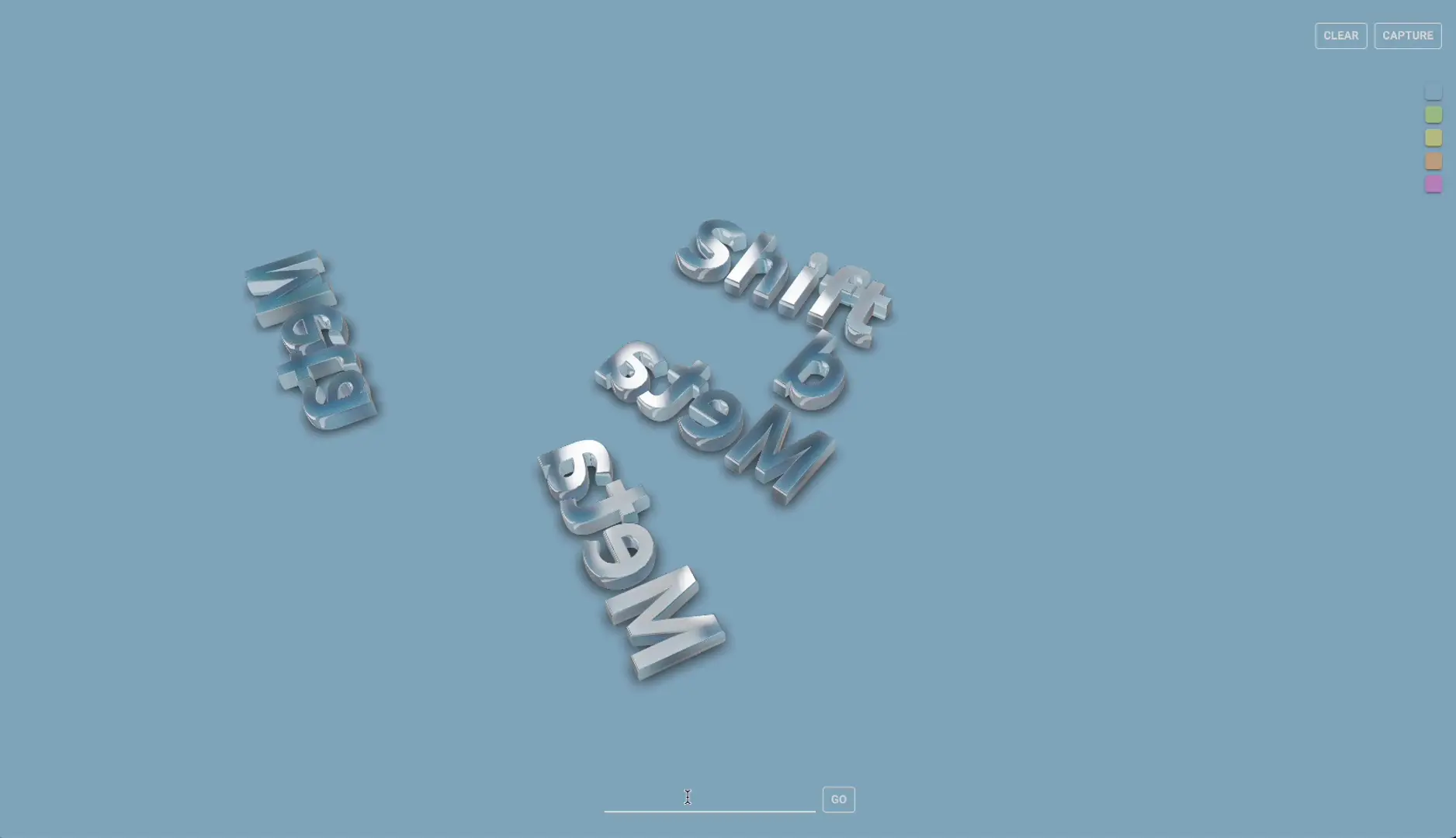
Crystal Words: A Snowflake for Every Word You Type Type a word. Watch it break into a six-fold ice lattice and hang in the air like a frozen sentence. Crystal Words is a small WebGL piece by Ming Jyun Hung that grows a structurally unique snowflake from whatever you put into the keyboard.
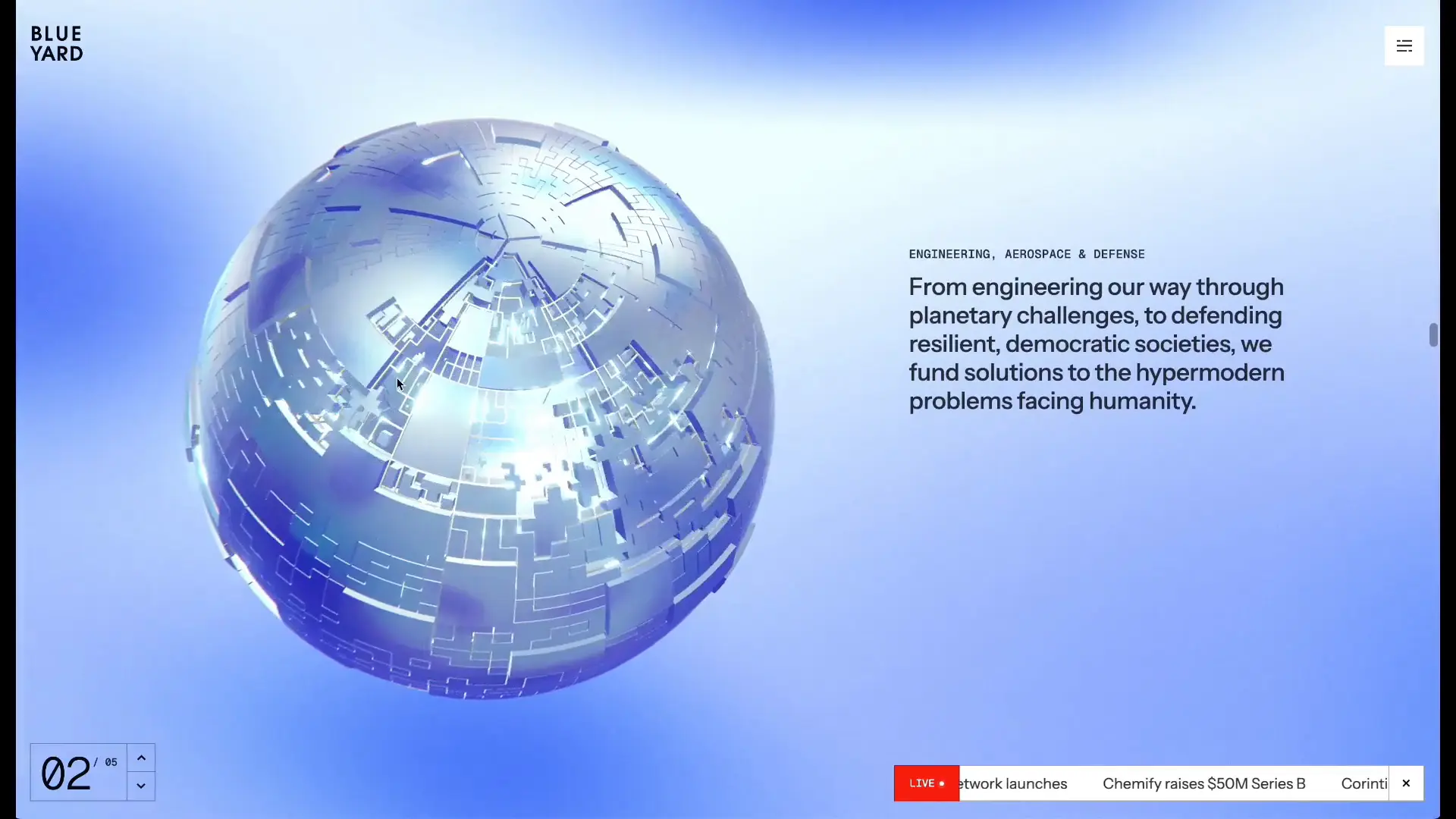
BlueYard: A Two-Color WebGL Atlas by Unseen Studio Unseen Studio rebuilt BlueYard around Buckminster Fuller, a fluid-simulated orb, and a beautiful color palette. Three.js under the hood, reactive cursor, four thematic zones to scroll through. Worth opening devtools on.
Botanics: A Three.js Plant Study Plantlike forms in a browser tab, no loops or cheap wiggle in sight. Sujen Phea's Three.js scene leans on instancing, careful shaders, and a scene budget that stays out of its own way. Open it, let it run, and see how long before you remember to close it.
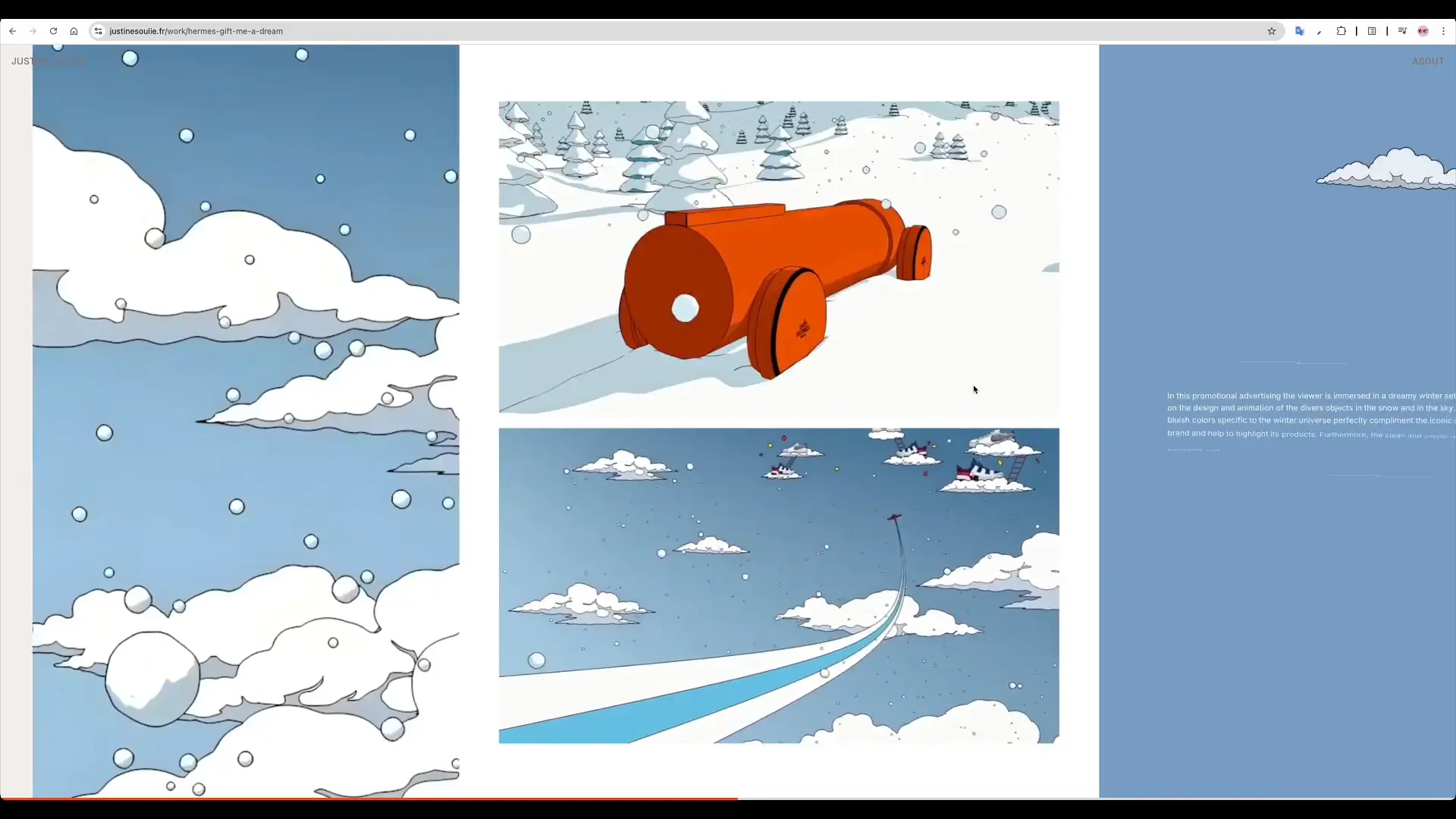
Justine Soulié's Portfolio: A WebGL Site Where Illustrations Are the Interface Every illustration on Justine Soulié's portfolio is a live WebGL scene with its own micro-interactions. Built by Patrick Heng using OGL, scroll physics, and custom shaders, the canvas isn't decoration. It is the UI.
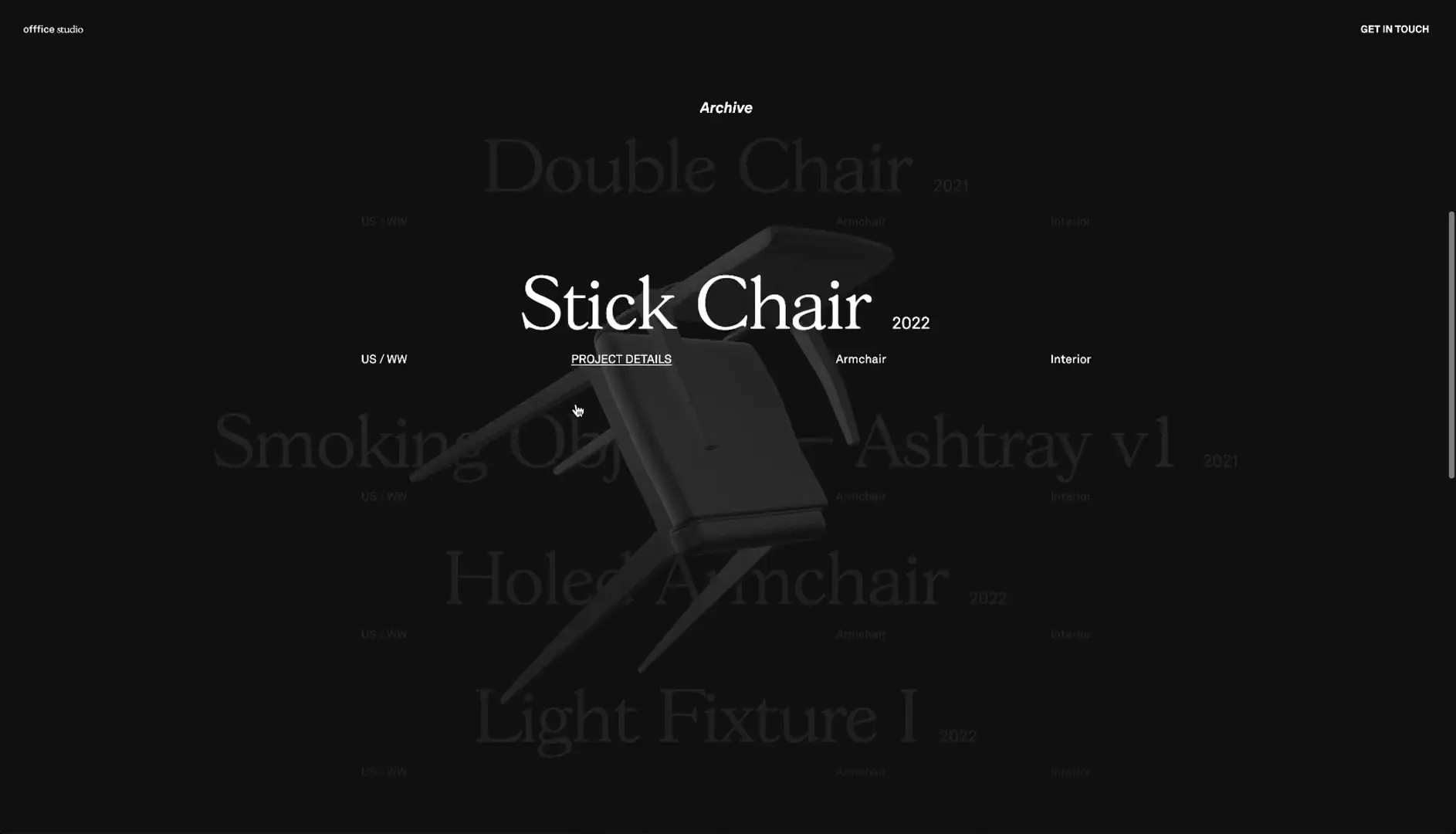
OFFFICE: A Furniture Studio Portfolio Built on Restraint and WebGL A two-color WebGL portfolio for an Italian-Swiss design studio. 3D furniture models rotate in stark black and white, with seamless page transitions that pull you into dedicated model viewers. Built by Federico Valla using Three.js and Blender.
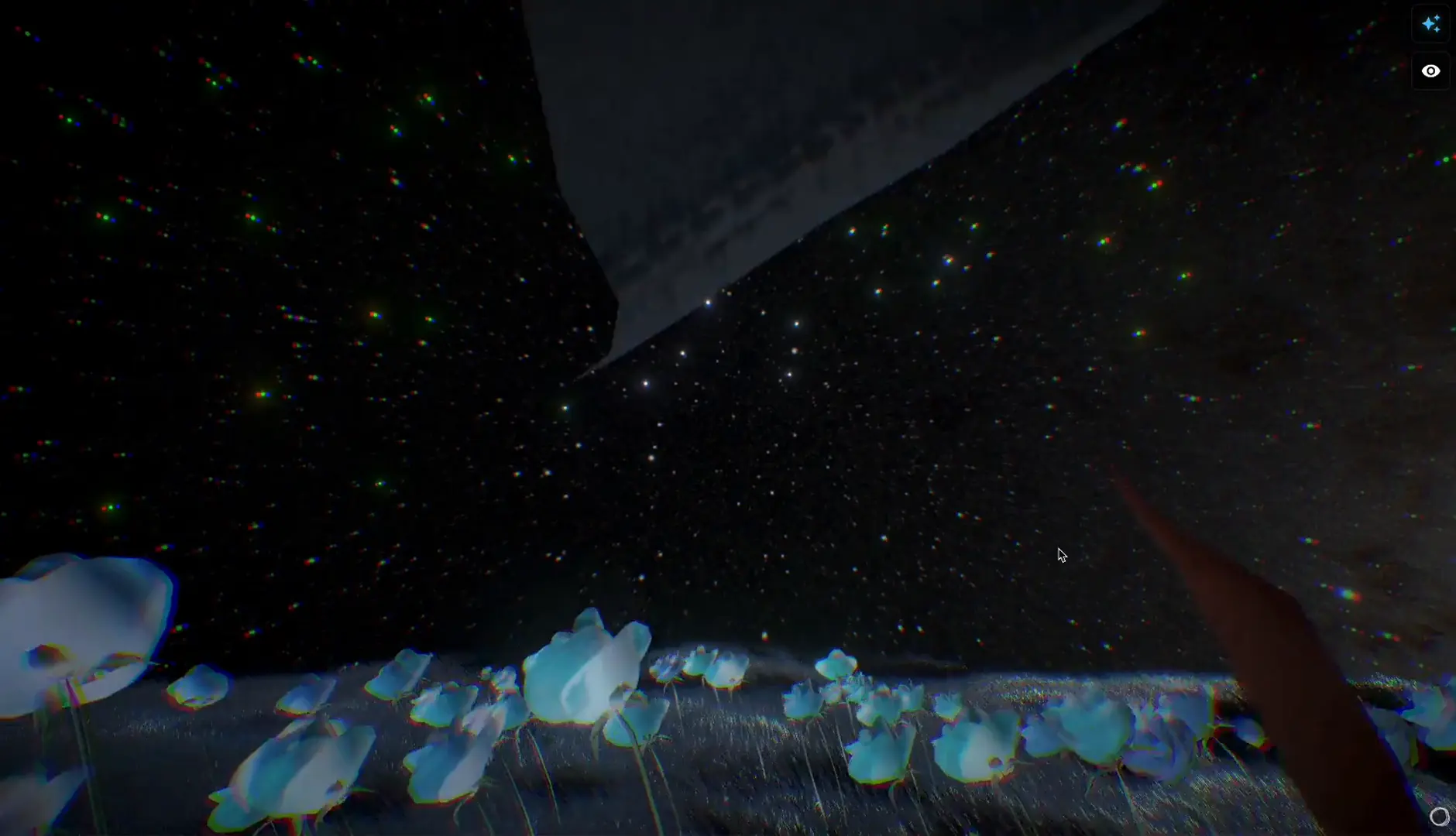
False Earth: A GPU-Driven Procedural Planet Built with WebGPU, TSL, and Three.js An astronaut walks an alien planet that responds to every step. Over 1M grass blades, procedural terrain, and VAT-animated roses, all running in the browser via WebGPU compute shaders, TSL, and React Three Fiber.
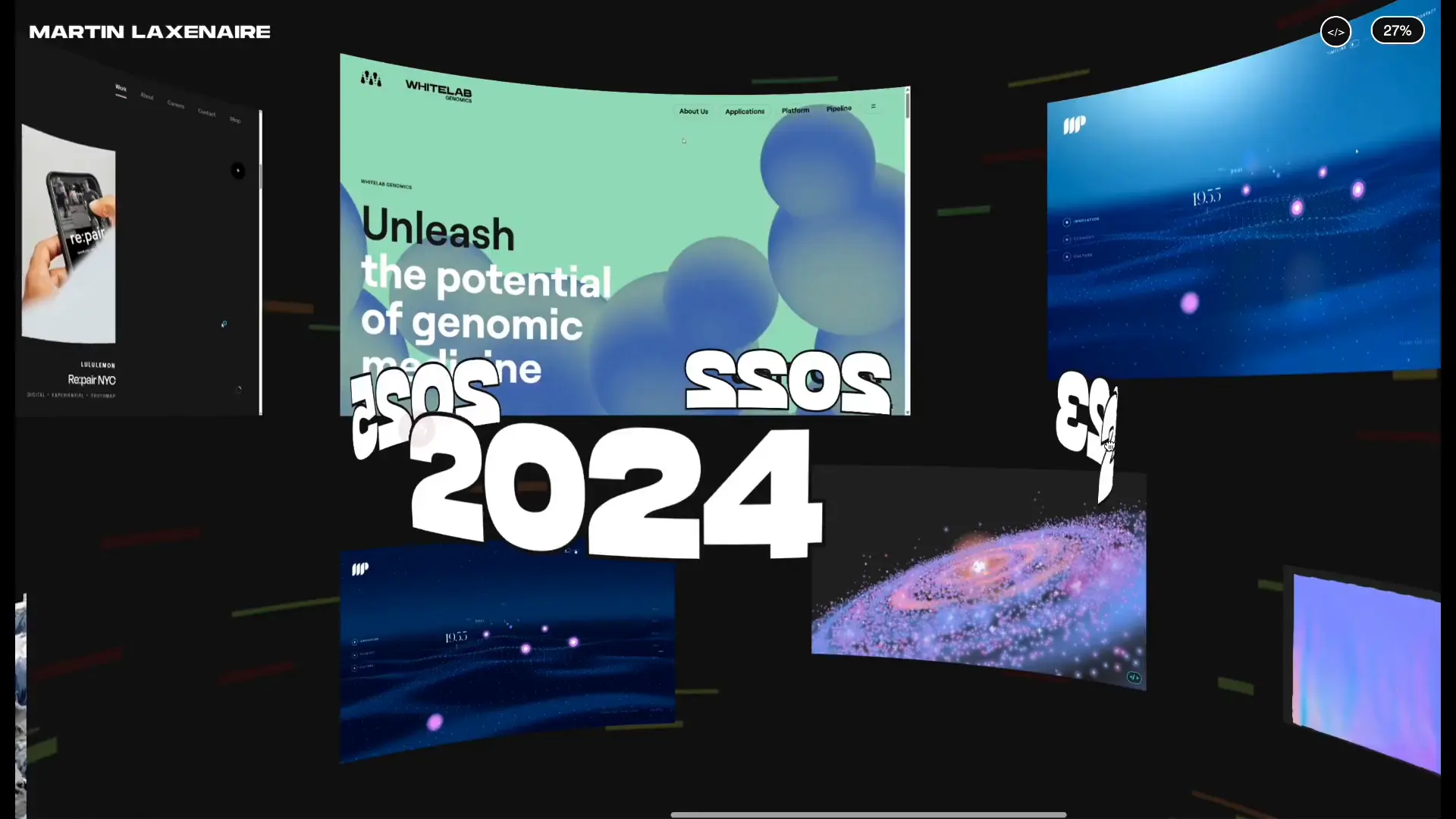
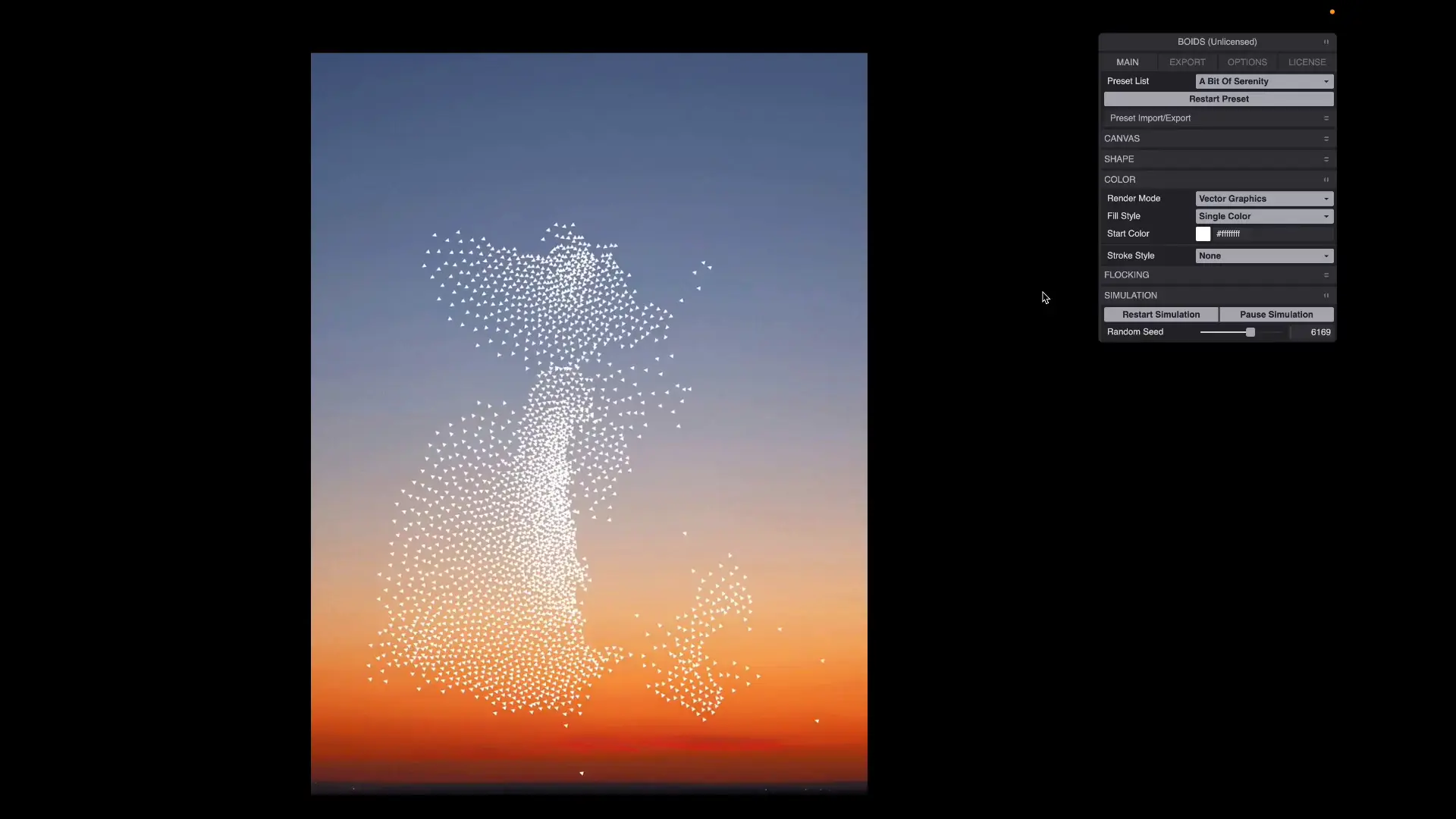
Martin Laxenaire's Portfolio Is a WebGPU Game Built on His Own Engine Martin Laxenaire turned his portfolio into a playable WebGPU experience powered by gpu-curtains, his own 3D engine. Procedural particles, boids, and invoice-sized spheres unlock as you interact. Full source code and a Codrops breakdown included.
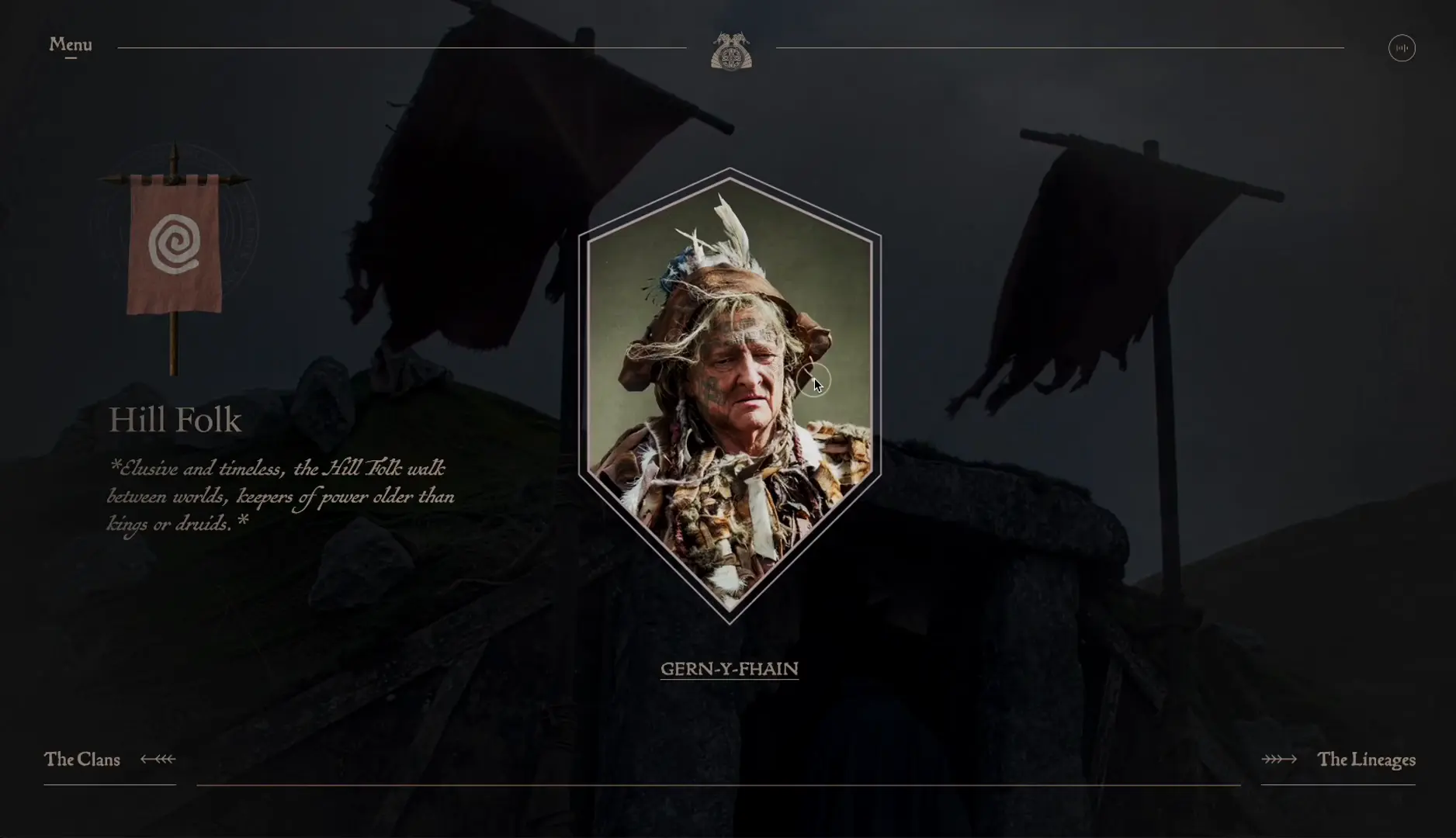
The Pendragon Cycle: WebGL as Cinematic Storytelling Merlin Studio and Format-3 built a WebGL prologue for a fantasy series where scrolling feels like a camera move. Custom shaders, particle systems, and deliberate pacing turn a promotional site into something worth studying.
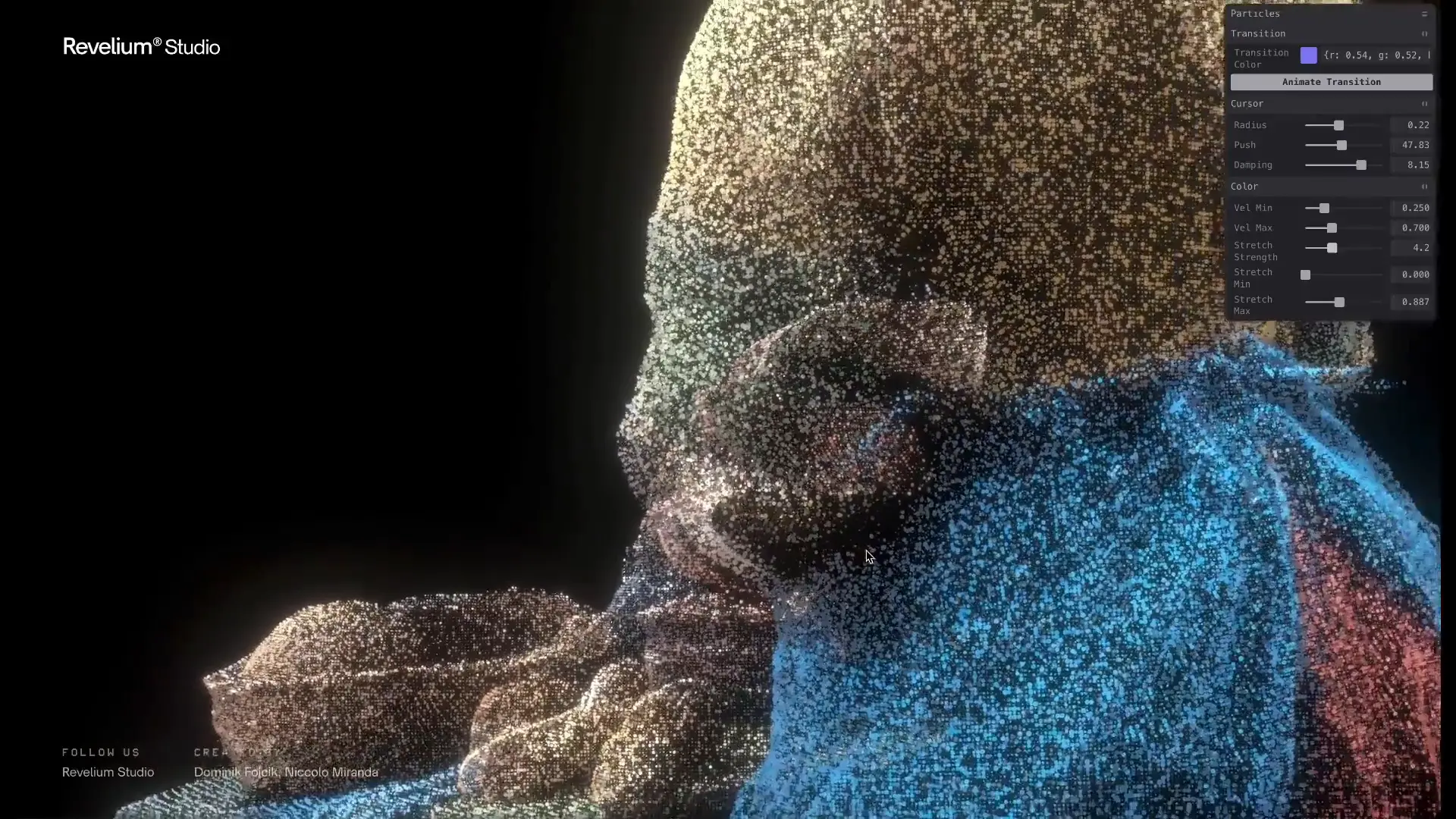
Vermeer's Milkmaid Dissolved into WebGPU Particles Revelium Studio broke Vermeer's 1658 Milkmaid into thousands of GPU-driven particles using WebGPU and Three.js TSL. Color-sampled from the original painting, the result is a particle cloud that somehow still holds the composition together. Worth a long stare.
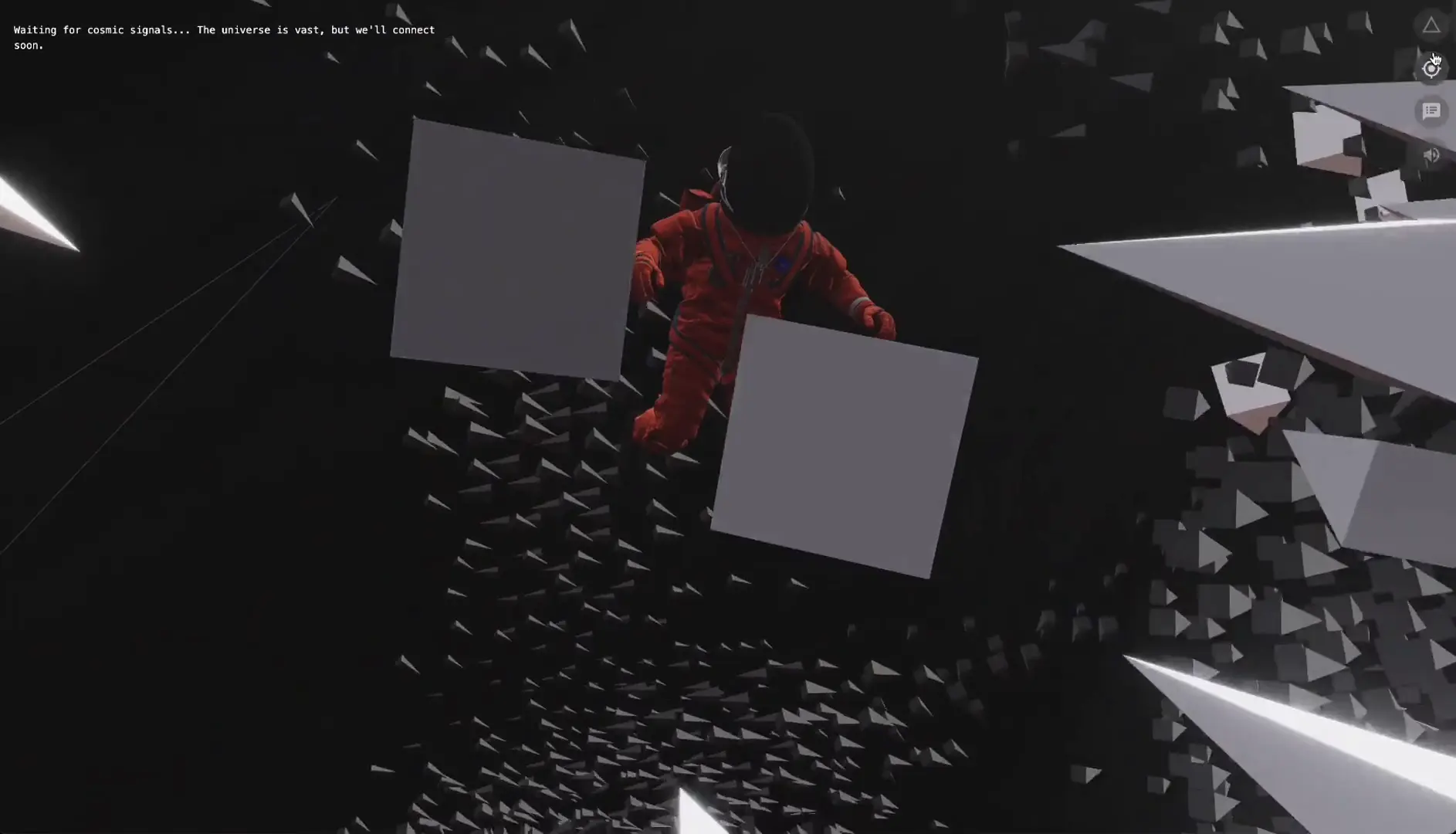
DRIFT: A Million Particles, a Lost Astronaut, and AI-Generated Loneliness A lost astronaut records his diary in your browser. Over a million GPGPU particles shift with his mental state while AI generates fresh text and voice each visit. Ming Jyun Hung built something that feels alive and a little heartbreaking.
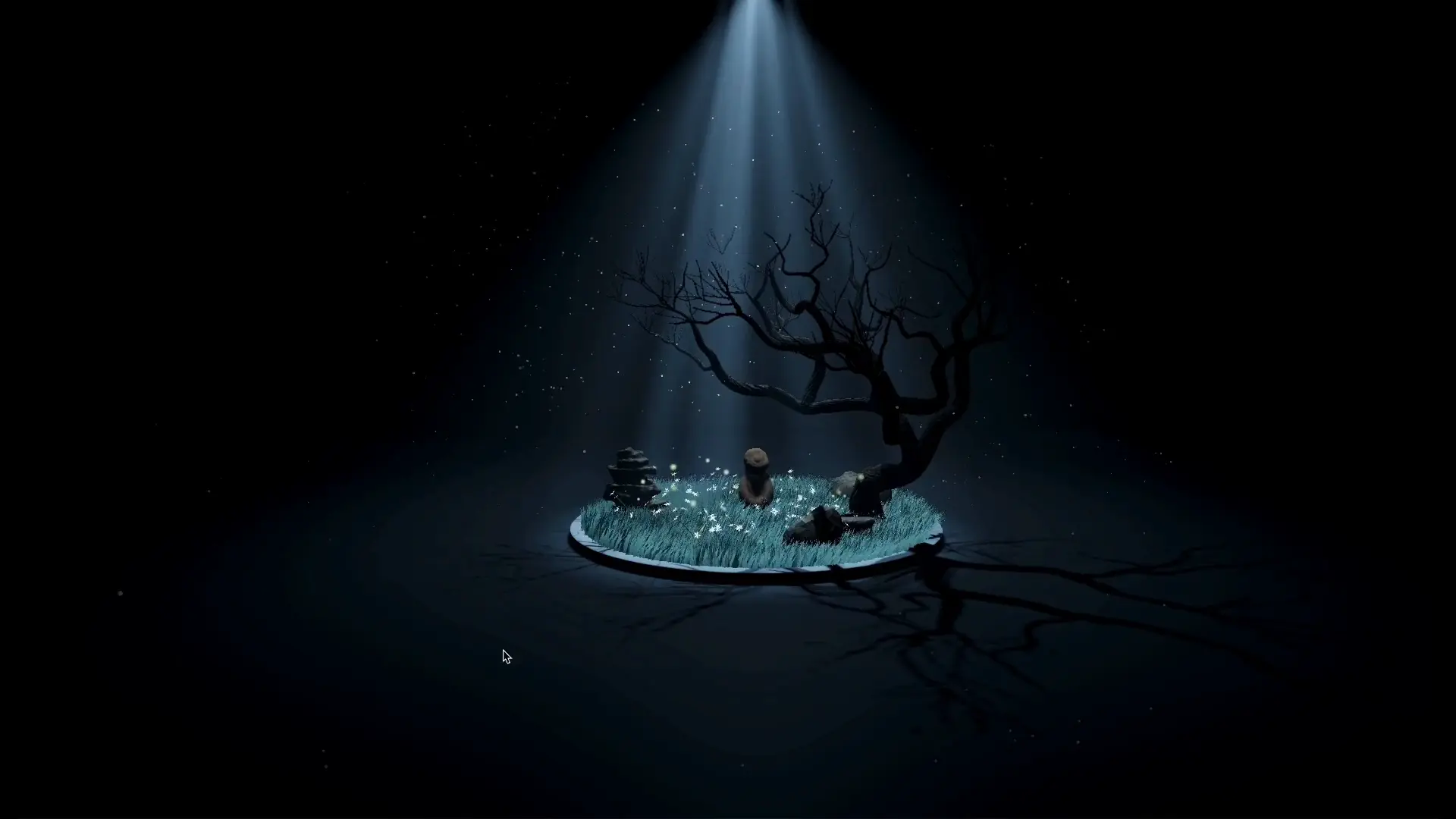
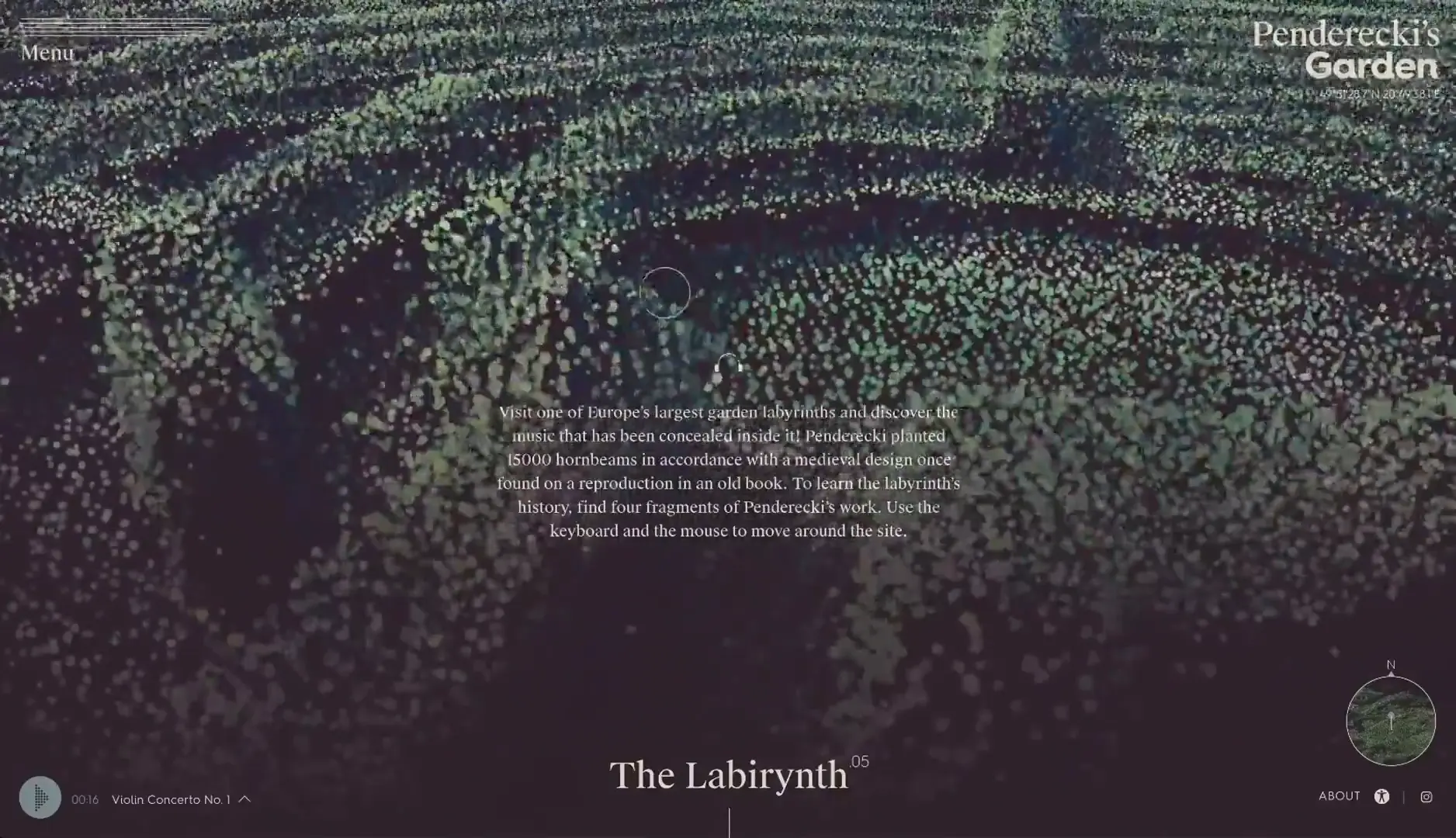
Penderecki's Garden: A Point-Cloud Memorial Built Using Photogrammetry Huncwot turned billions of drone-captured particles into a navigable WebGL garden for composer Krzysztof Penderecki. Custom GLSL shaders breathe with the music. Fully keyboard-accessible. One of the most ambitious Three.js projects we've seen.