Sketchbook Collects Browser 3D Experiments Vipin Pathak’s ThreeJs Sketchbook is a personal collection of digital art and browser 3D work, built as a place for experiments rather than a standard portfolio.
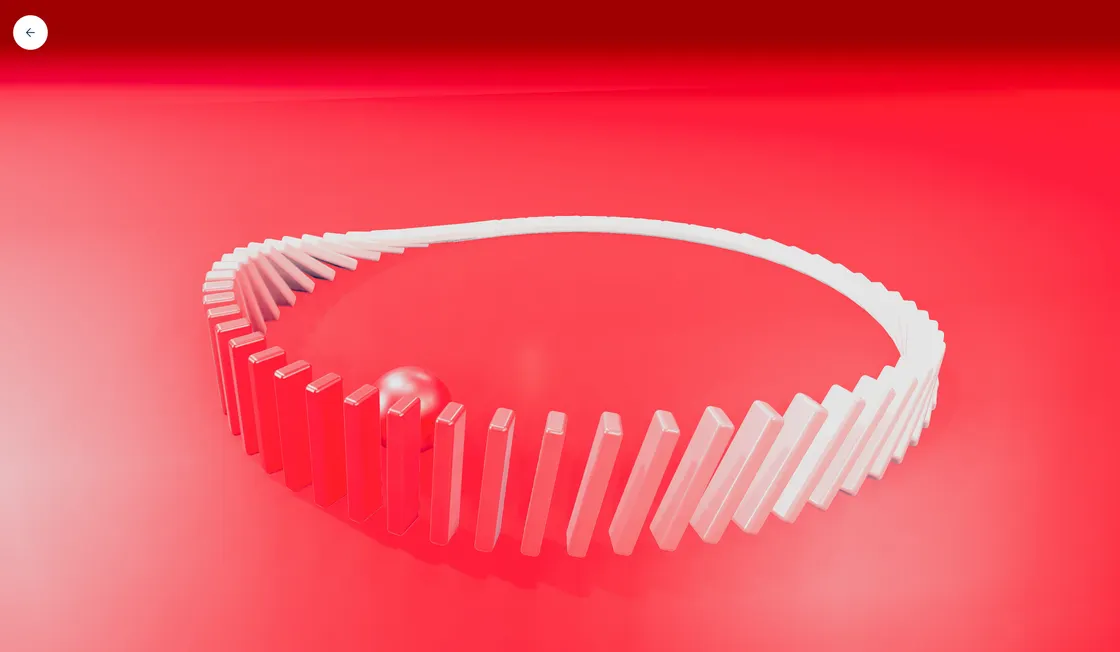
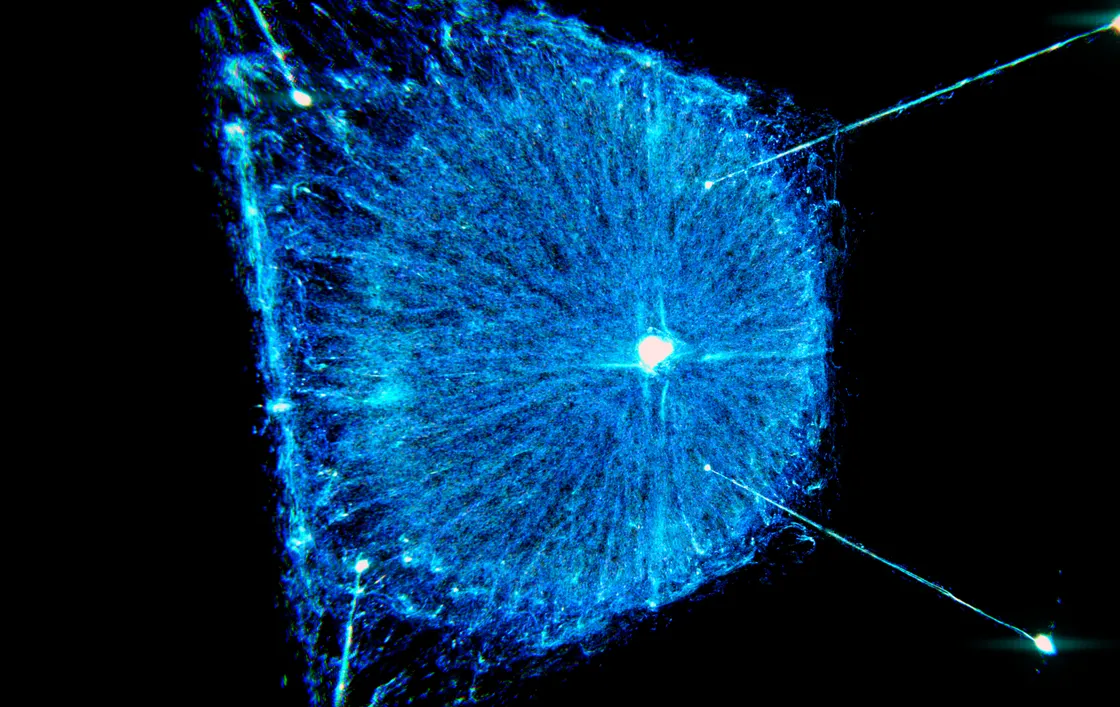
3D Life Sim Turns Artificial Life Into a WebGPU Instrument Aaron Lemke's 3D Life Sim is an open-source WebGPU particle life simulation with live audio input, MIDI mapping, presets, and cockpit controls for exploring emergent forms.
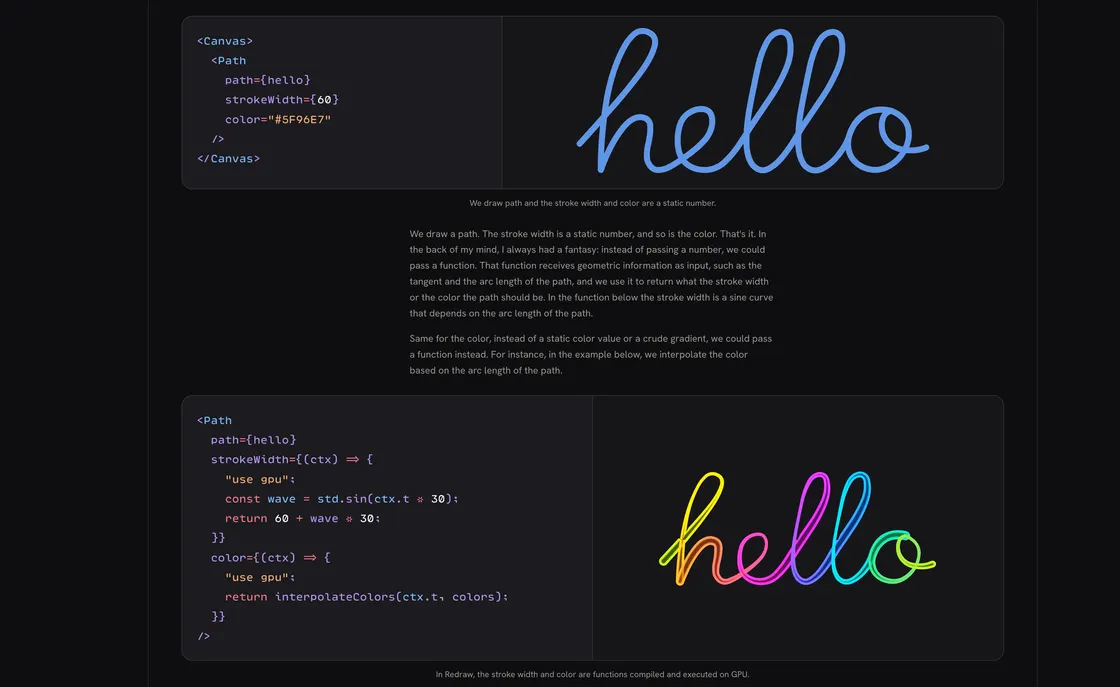
Redraw Brings WebGPU Shaders to 2D Paths William Candillon’s Redraw explores WebGPU-native 2D path rendering, with programmable Bézier geometry, variable stroke widths, vector feathering, and TypeScript shader functions.
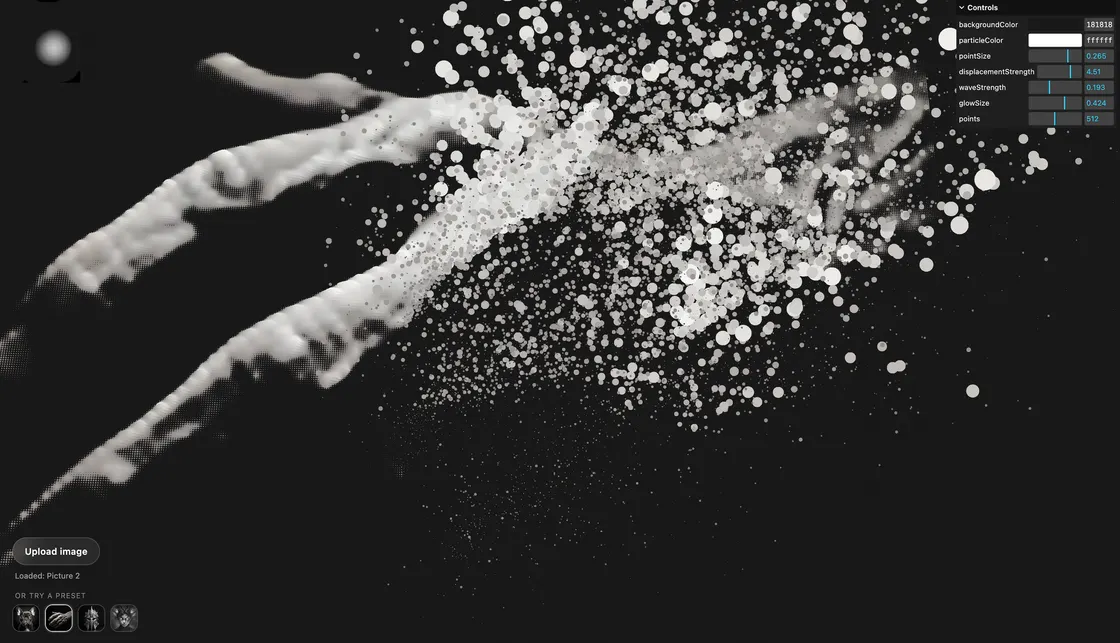
Particles Cursor Turns Images Into a Shader Field Gabriel Villanueva’s Three.js experiment turns images into particle grids that react to cursor movement through GLSL displacement, texture color, and real-time controls.
Tubes Cursor Turns the Pointer Into a WebGL Trail Kevin Levron’s Tubes Cursor is a compact Three.js interaction experiment that turns mouse movement into glowing tubular trails and can run through WebGL or WebGPU.
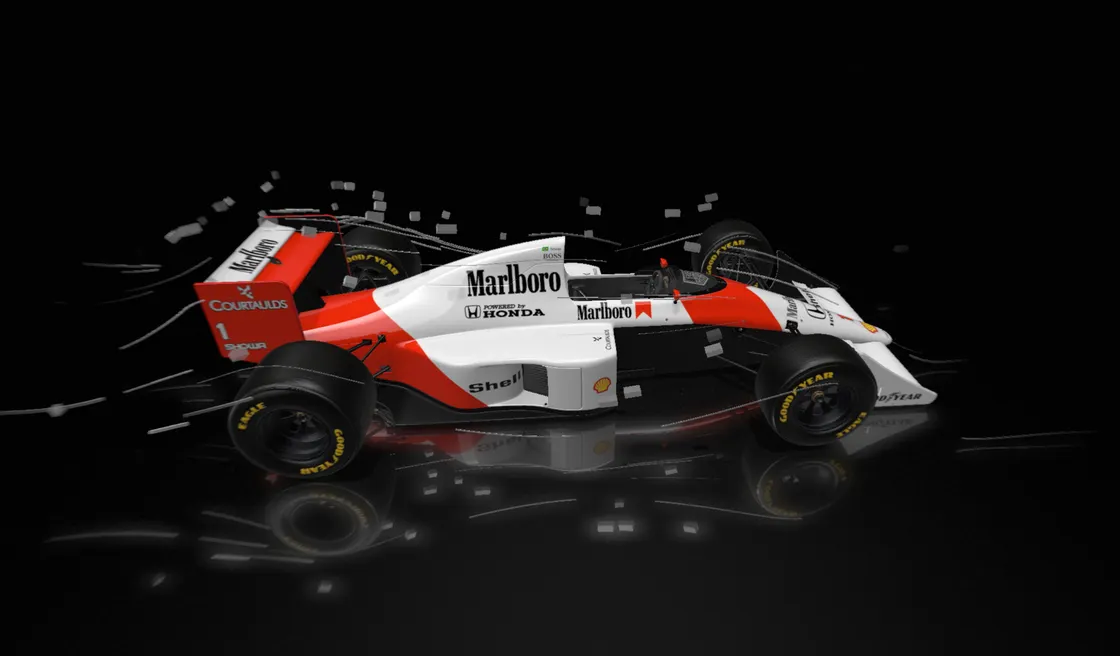
Formula Turns an F1 Model Kit Into a Drivable WebGL Toy Patrick Heintzmann’s Formula starts as a tabletop model kit, then lets you switch modes and drive the tiny F1 machine around the browser with WASD or arrow keys.
Where Worlds Take Shape Makes a Portfolio Playable Jérôme Reynet turns a portfolio into a playable WebGL world, with procedural grass, mini-games, gamepad controls, and project discovery that behaves more like exploration than navigation.
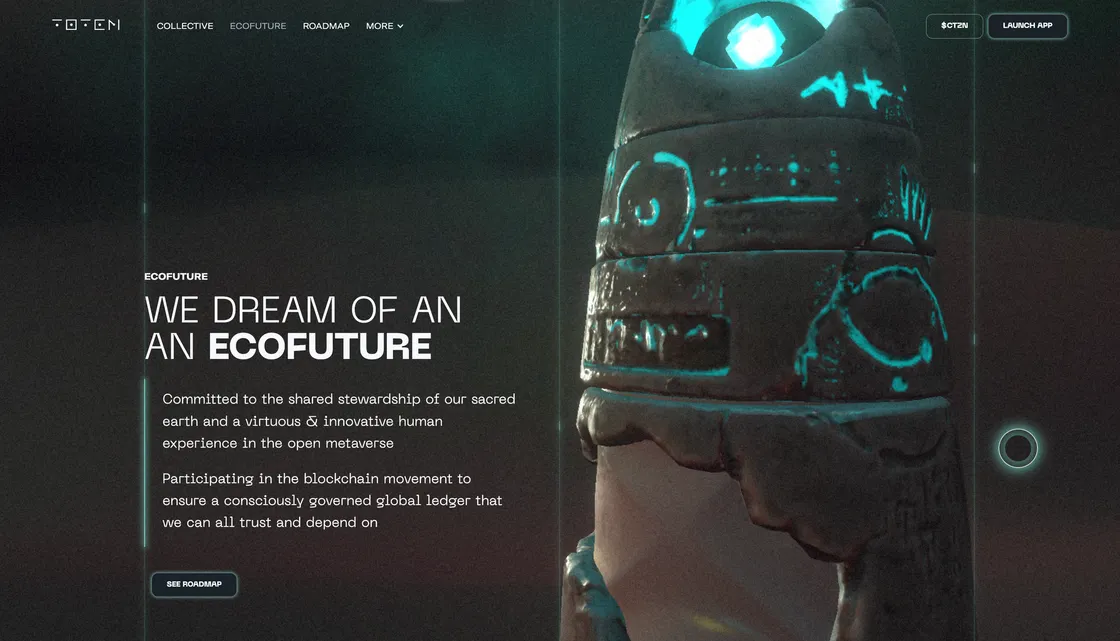
Totem.earth Turns a Web3 Landing Page Into a WebGL Ritual Object OFF+BRAND’s Totem.earth wraps a Web3 ecosystem in smoke, light, and a draggable Three.js object that does most of the branding before the copy gets a turn.
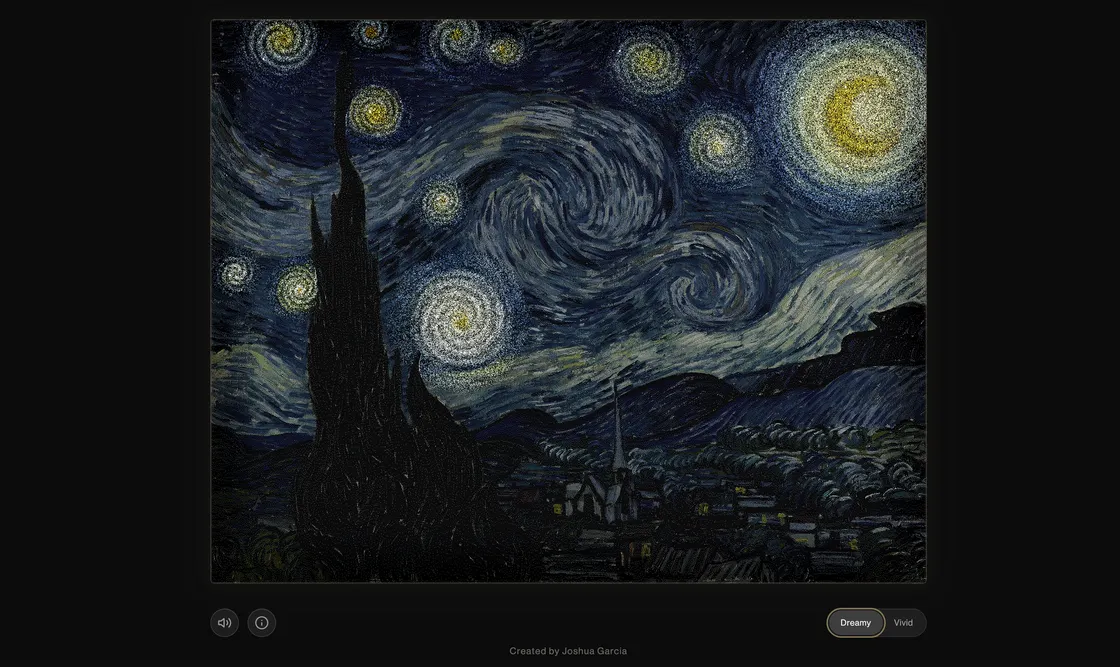
Still Night: Play Van Gogh's Starry Night as a WebGL Instrument Van Gogh's Starry Night, rebuilt as a point cloud you can play. Touch a bright swirl and it answers high; the dark hills drop low. Brushstrokes drift along Van Gogh's own paths, and five regions form a Tone.js orchestra. You play the painting to make the music.
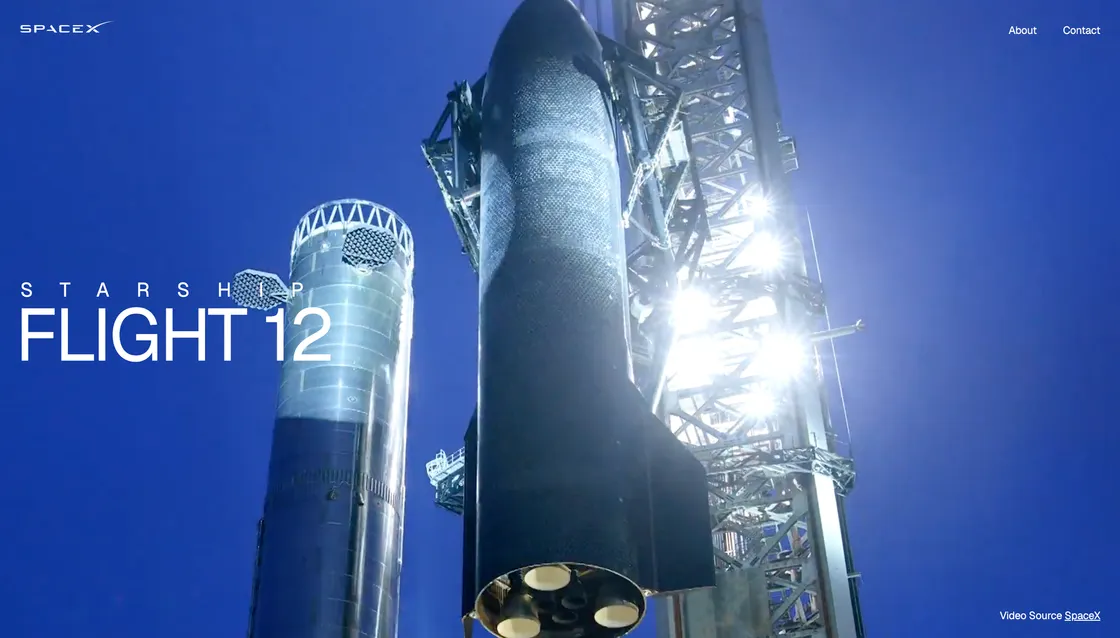
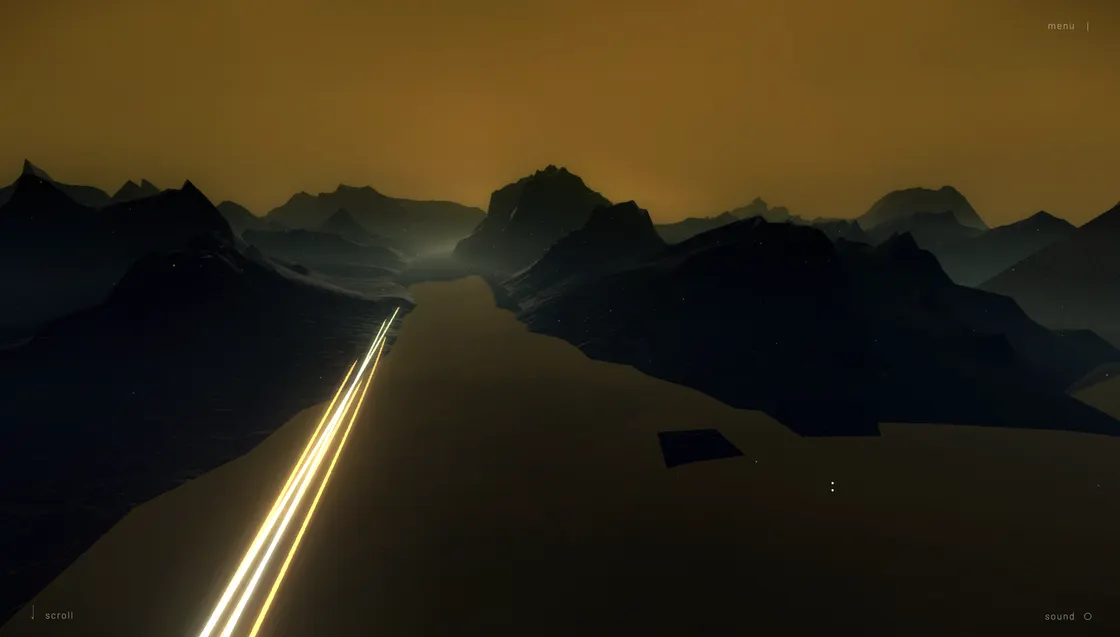
Flight 12: A Starship Launch in WebGL Scroll down and a 124-meter Starship lights its engines beneath you, then flies its whole profile in real time. A scroll-scrubbed Three.js timeline that holds a steady frame the entire way down. Pop the 3D view and orbit it yourself.
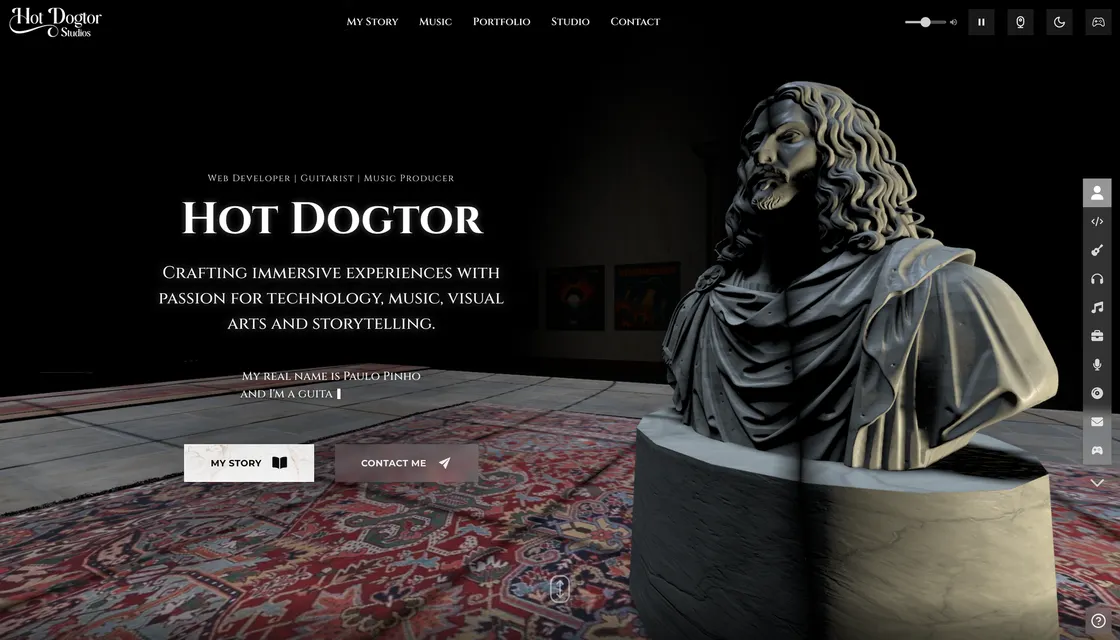
A Portfolio You Walk Through: Hot Dogtor's WebGPU Building Paulo Pinho built his portfolio as a 3D building you wander room by room, scored by his own music. Runs on three.js WebGPU, falls back to WebGL, and ships a Basic version for everyone else. One site, three fidelity tiers, no pretending everyone's on a 4090.
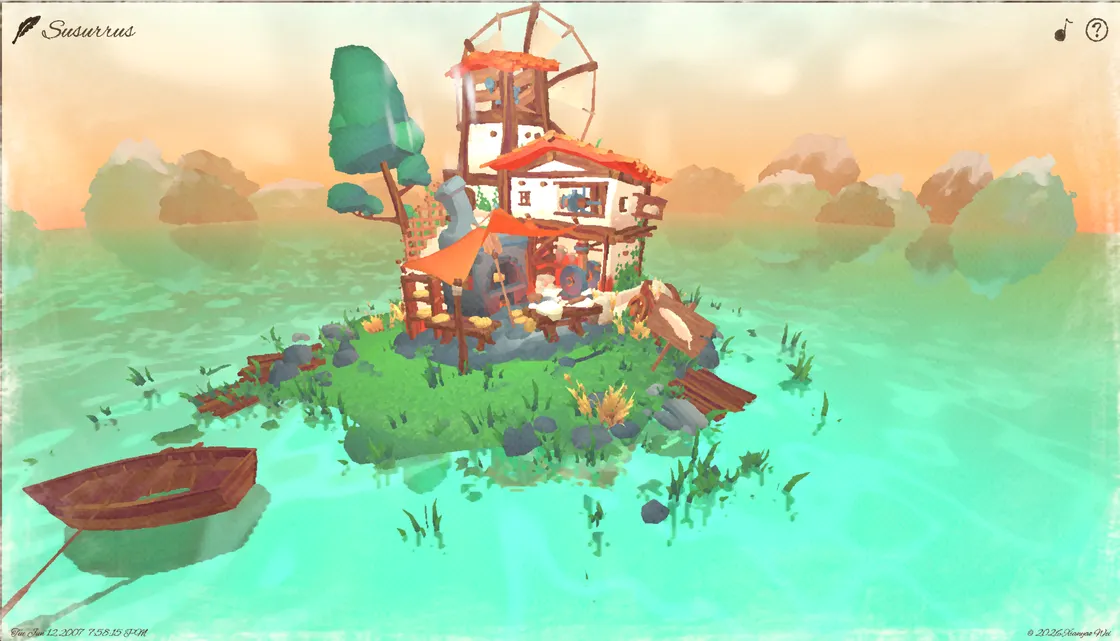
Susurrus: A Watercolor World Built in Three.js A spatial web piece by Xianyao Wei. Cream-and-sepia watercolor, motion that drifts like ink in water, a small 3D figure waiting to be nudged. Three.js and Blender geometry over WebGL, with a physics-flavored interaction layer doing most of the storytelling.
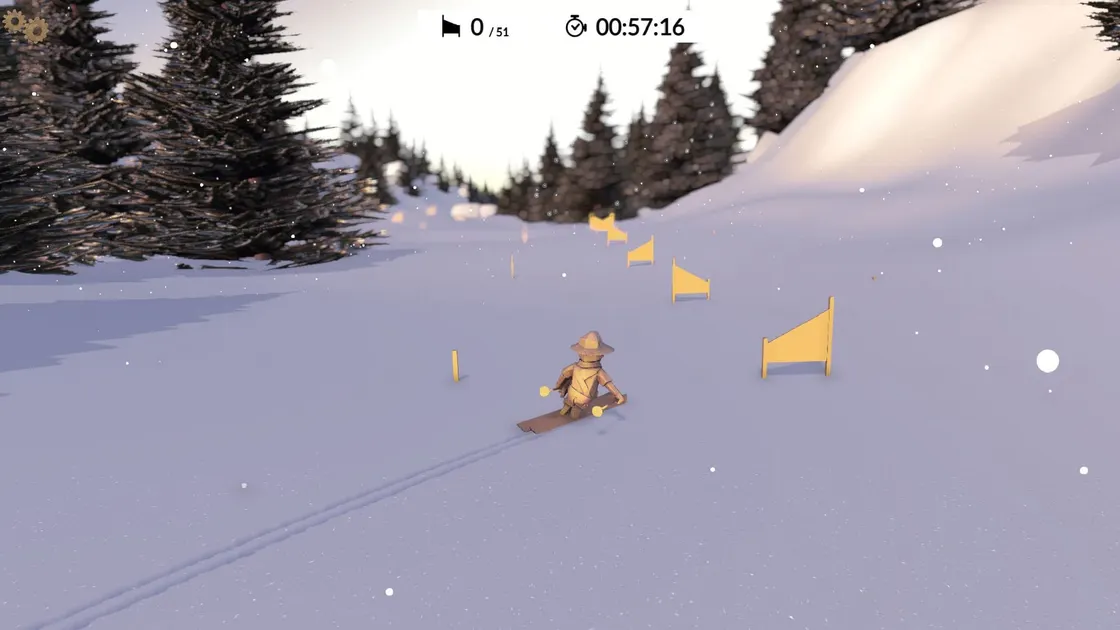
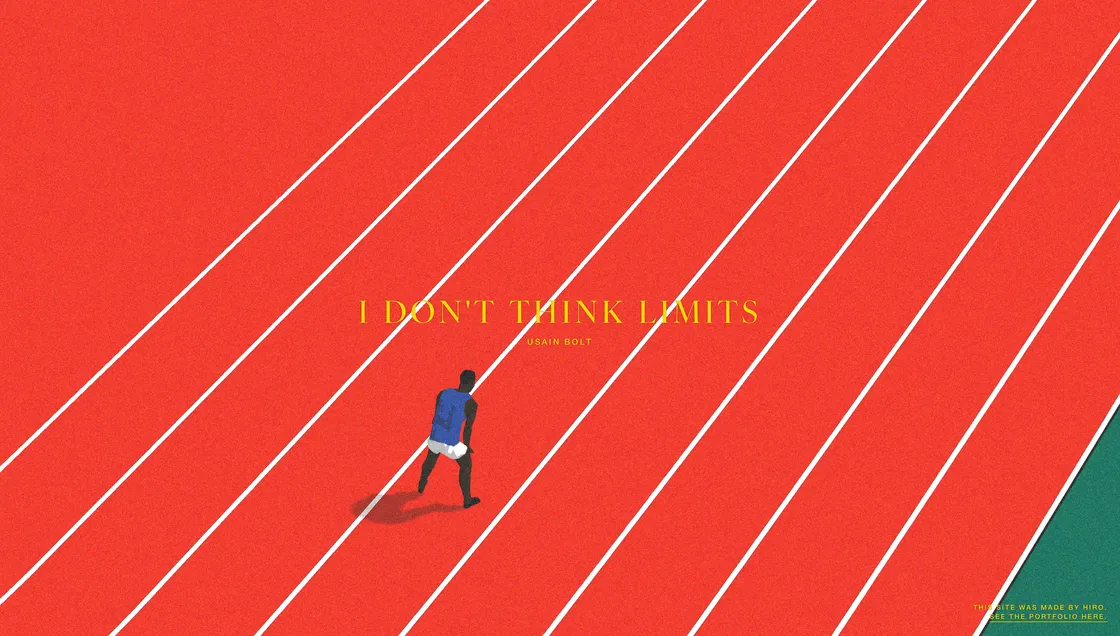
Track: A Scroll-Paced WebGL Run by Hiroto Sato Scroll the page and an athlete runs forward. Stopwatch climbing, meters racking up, quotes from sports icons surfacing as you earn them. Hiroto Sato's TRACK pairs WebGL with GSAP and paces its reveals to distance instead of viewport position.
Artisans d'Idées: Treats Shadow as a Material Open Artisans d'Idées and you get a black screen with one instruction: click to illuminate. What follows is a horizontal Three.js journey rendered almost entirely in shadow, with audio coupled to camera state instead of a clock. Built by Paris studio Immersive Garden. Worth opening devtools for.
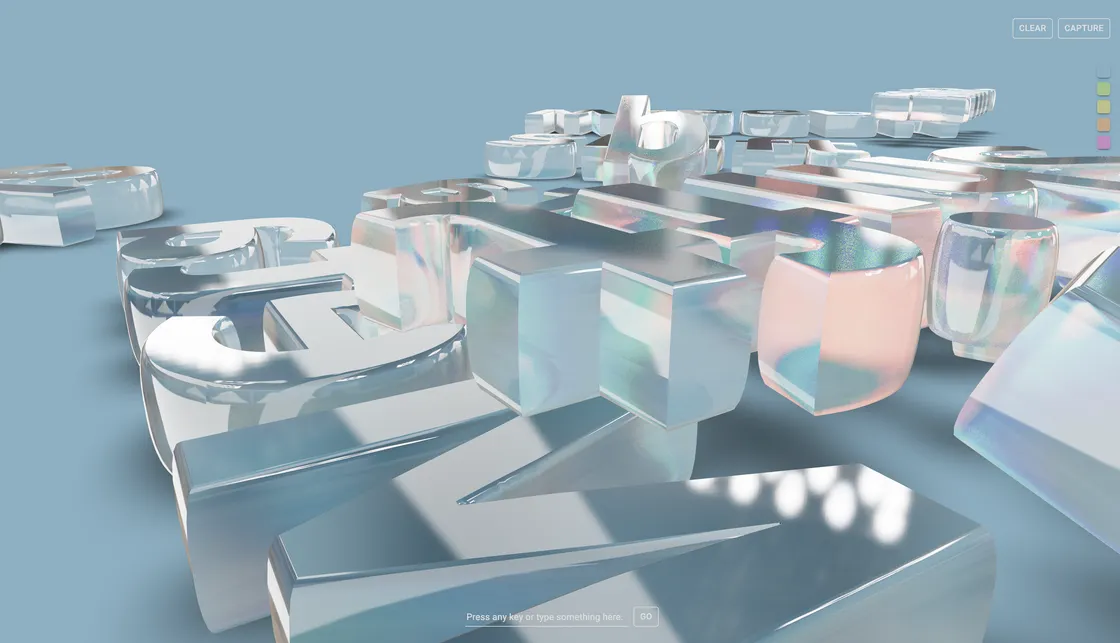
Crystal Words: A Snowflake for Every Word You Type Type a word. Watch it break into a six-fold ice lattice and hang in the air like a frozen sentence. Crystal Words is a small WebGL piece by Ming Jyun Hung that grows a structurally unique snowflake from whatever you put into the keyboard.
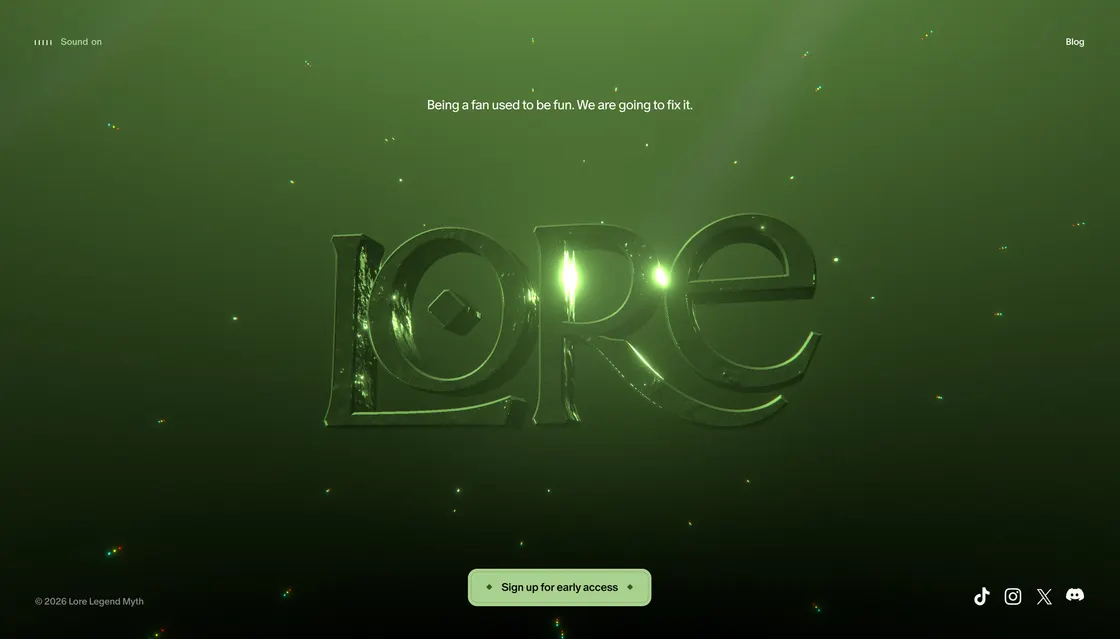
Lore: Hand-Rolled WebGL by darkroom.engineering Lore's landing page is the rare marketing site that earns its WebGL canvas. darkroom.engineering, the studio behind Lenis, wires GL into GSAP timelines for a logo-forward hero that is small, sharp, and worth reading the source of.