Giuseppe Paccione Turns a Portfolio Into a 3D Configurator Giuseppe Paccione’s site is a real-time 3D interior portfolio-configurator with BIM, AI, authored textures, path tracing preview, LOD choices, and material controls.
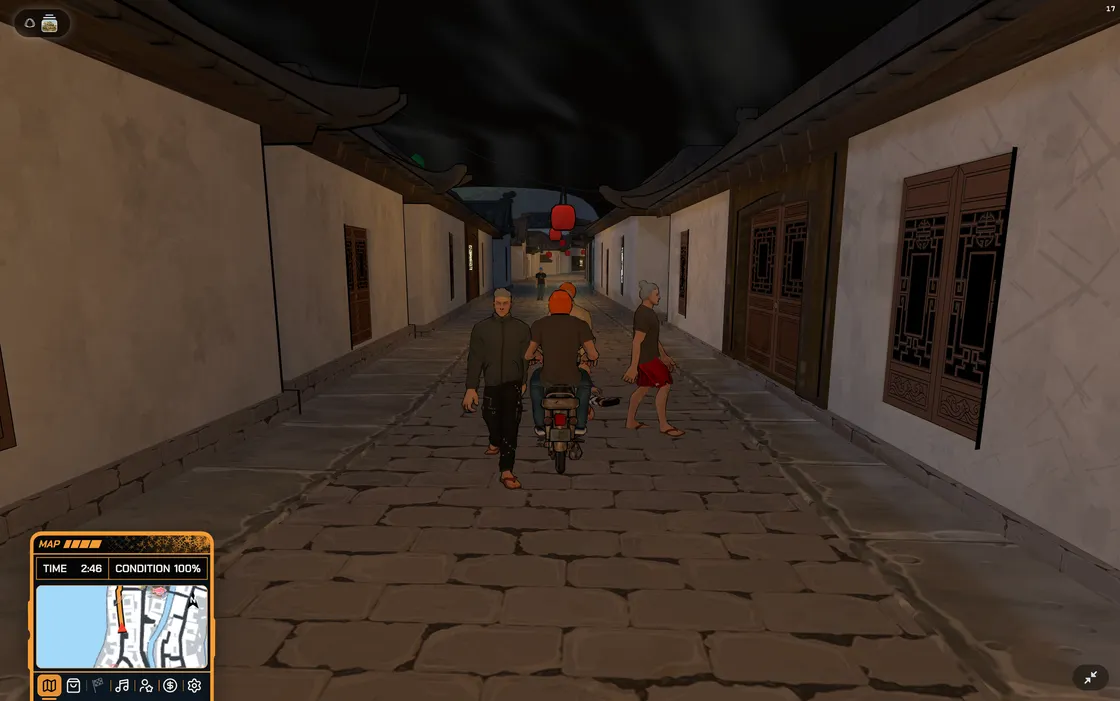
Moped Mayhem Turns Food Delivery Into Browser Racing Chaos Evan Poliquin's Moped Mayhem is a browser multiplayer delivery/racing game built with Three.js, Rapier physics, websockets, culling, LODs, and a dense city to learn badly at speed.
Interactive WebGL Jersey Slider Blends Team Kits in 3D Prity Dhara’s Three.js jersey slider uses one 3D model, shader-based texture transitions, fabric movement, and GSAP motion to make kit changes feel physical.
glTF 2.1 Aims At Complex Scenes, Not Just Single Assets Khronos is planning glTF 2.1 as a backward-compatible update focused on large composed scenes, external assets, packaging, BVHs, thumbnails, and 64-bit GLB files.
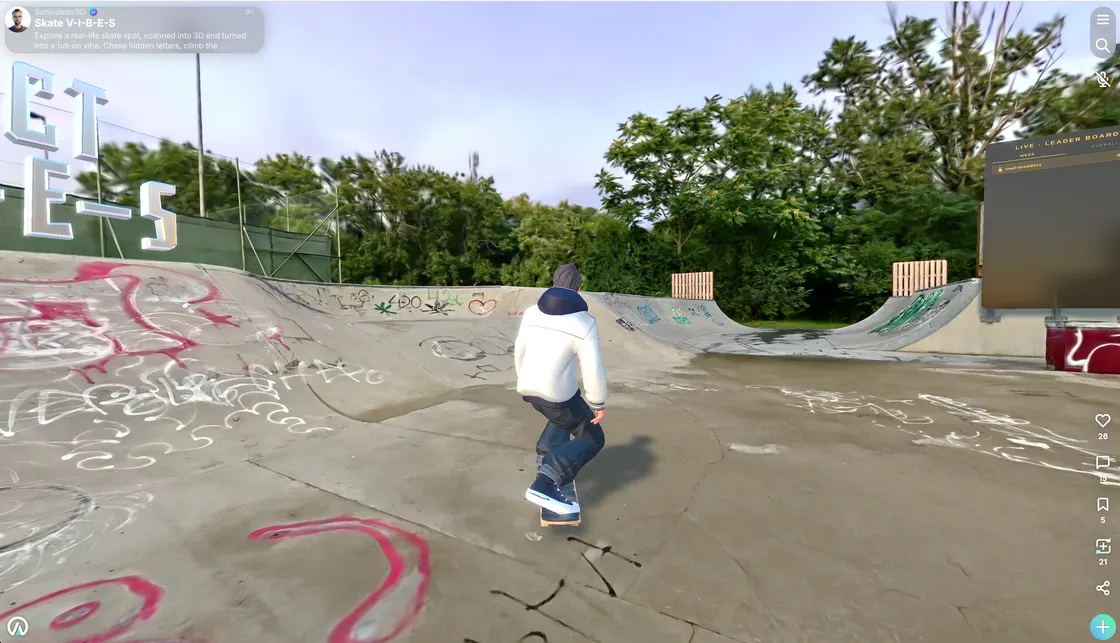
Arrival.Space: Claim a URL, Get a 3D Space on the Web A browser-native platform where you claim a URL slug, drop in a gaussian splat or glTF, and have visitors walk through it. No app, no walled garden.
Martin Laxenaire's Portfolio Is a WebGPU Game Built on His Own Engine Martin Laxenaire turned his portfolio into a playable WebGPU experience powered by gpu-curtains, his own 3D engine. Procedural particles, boids, and invoice-sized spheres unlock as you interact. Full source code and a Codrops breakdown included.
Lume: GPU-Powered 3D Scenes Written as Plain HTML Elements Lume lets you build WebGL-powered 3D scenes using custom HTML elements. Lights, shadows, glTF models, and reactive updates, all in markup that works with React, Vue, Svelte, or vanilla HTML. No canvas wrangling required.
San Rita: A Studio Site Disguised as a Topographic Map San Rita ditches the agency portfolio grid for something stranger: a navigable topographic landscape where projects sit like waypoints on a trail system. Some paths are open, some are closed for restoration. It's weird, deliberate, and worth inspecting.
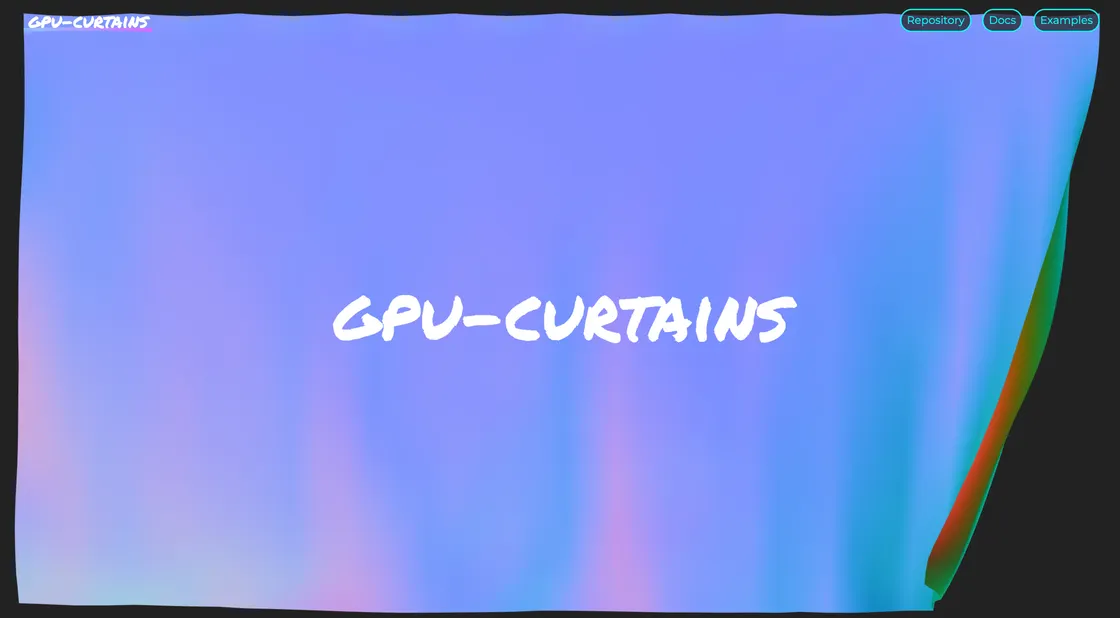
gpu-curtains: A WebGPU 3D Engine That Syncs Shaders to Your DOM Martin Laxenaire rebuilt his DOM-to-shader library for WebGPU, and this time it's a full 3D engine. Lights, shadows, compute shaders, glTF support, and the same trick that made curtains.js useful: your HTML elements become shader geometry that scrolls and resizes like native DOM.
The Bartlett Summer Show 2020: 32 Walkable Gallery Rooms Hello Monday built 700 architecture students a gallery that fits in a browser tab. Three.js renders 32 walkable rooms. The seamless jumps between 3D exploration and flat project pages proved something: the browser is a legitimate exhibition space now.
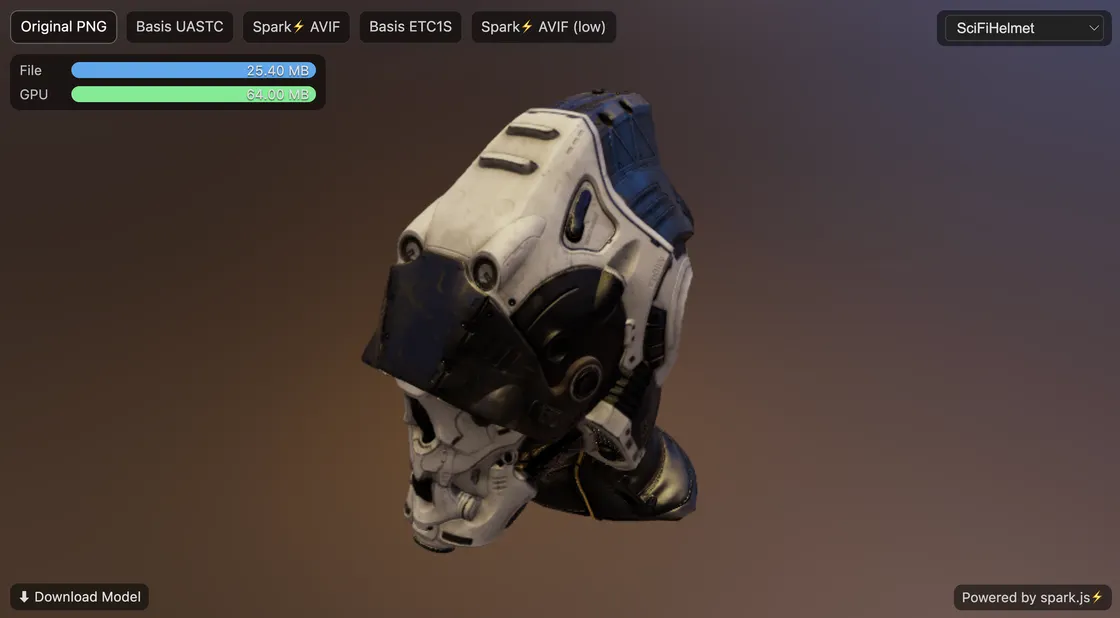
spark.js GLTF Demo: Real-Time Texture Transcoding for Faster Asset Delivery A GLTF viewer that ships textures as compact WebP or AVIF, then transcodes them to GPU-compressed formats in the browser. Small downloads, efficient VRAM. Spark.js handles the conversion so you get the best of both worlds.
Marble Madness-Inspired Game for Netlify Paris studio Little Workshop built a Marble Madness-inspired WebGL experience to celebrate Netlify's 5 million developers. Using Three.js, Rapier physics, and a Unity-to-browser pipeline, two devs created this award-winning browser game in 8 weeks.
Forged.build Forged.build turns a studio site into a cinematic 3D workshop built in WebGPU. Scroll through a real-time space with baked GI, dynamic highlights, and custom shaders. Built by Michael Modena to show what a small team can do with modern web graphics.