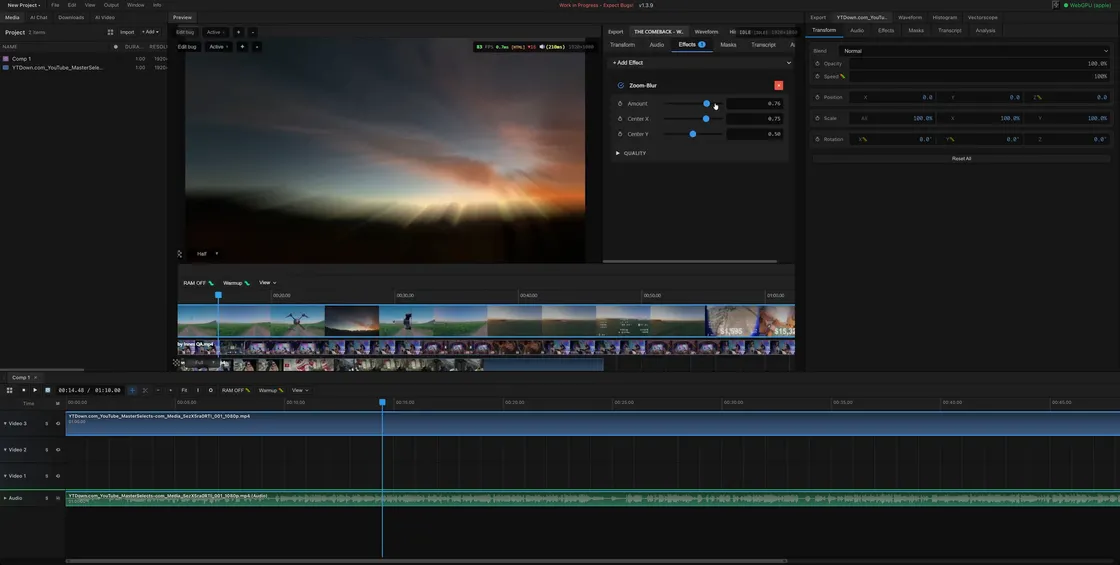

MasterSelects: A GPU-First Video Editor Built Entirely on WebGPU A full video editor running in the browser with zero CPU roundtrip. 37 blend modes in one WGSL shader, GPU-accelerated scopes, optical flow scene detection, and SAM2 segmentation on-device. 13 dependencies. MIT licensed.
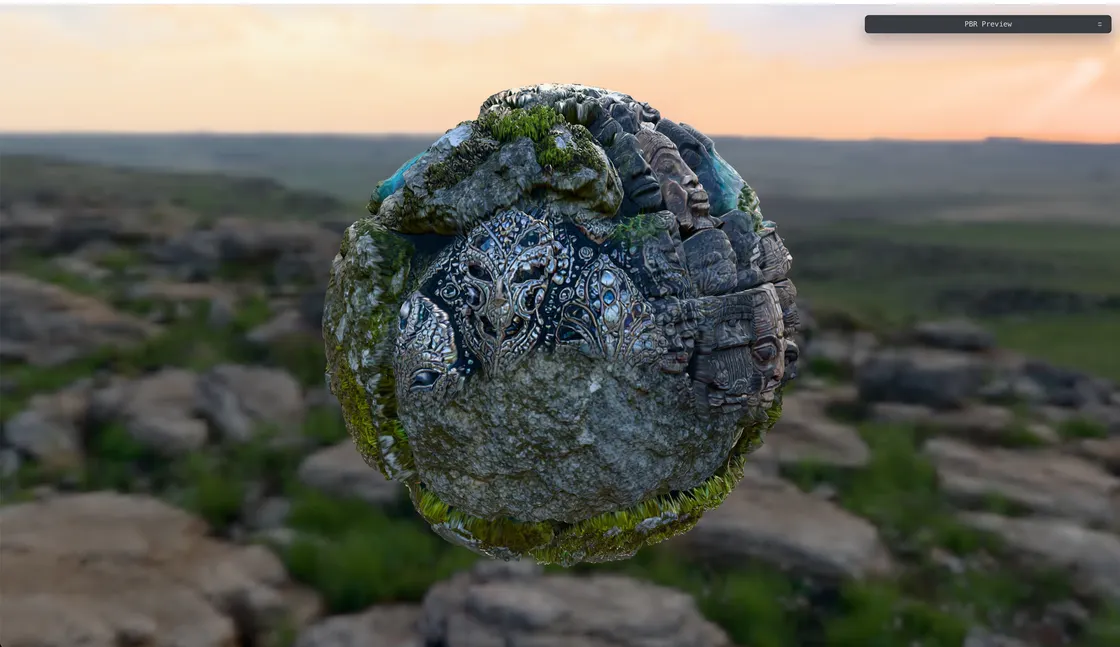
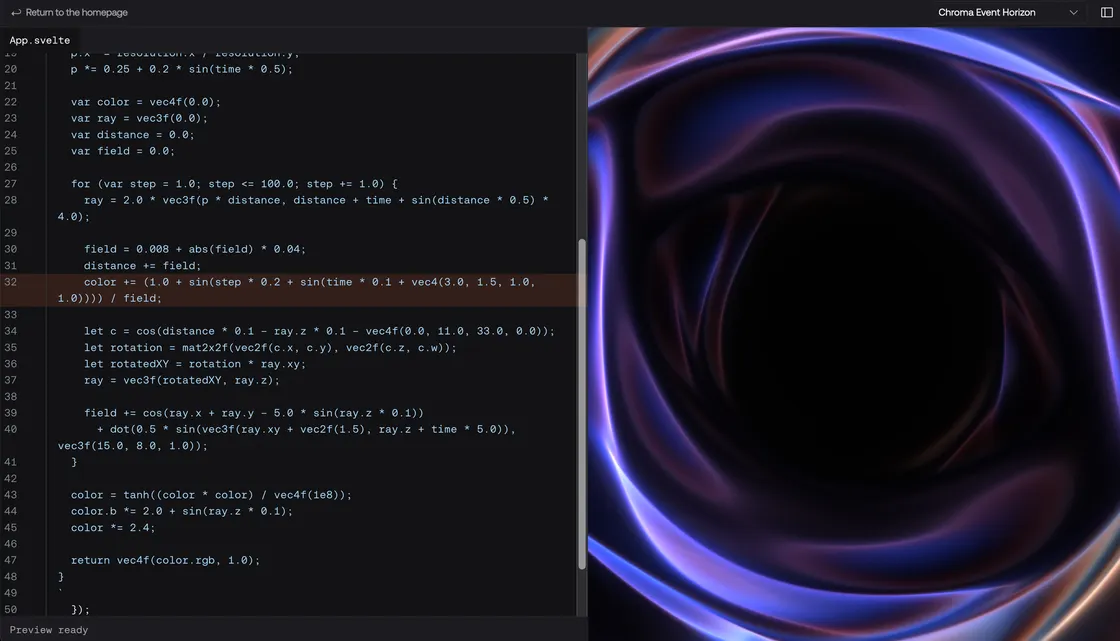
Motion GPU: A Minimal WebGPU Framework Shaders and Multi-Pass Pipelines Motion GPU strips WebGPU down to fullscreen shaders, multi-pass pipelines, and frame scheduling. Nothing else. DAG-based scheduler, composable render graph, and ping-pong slots.
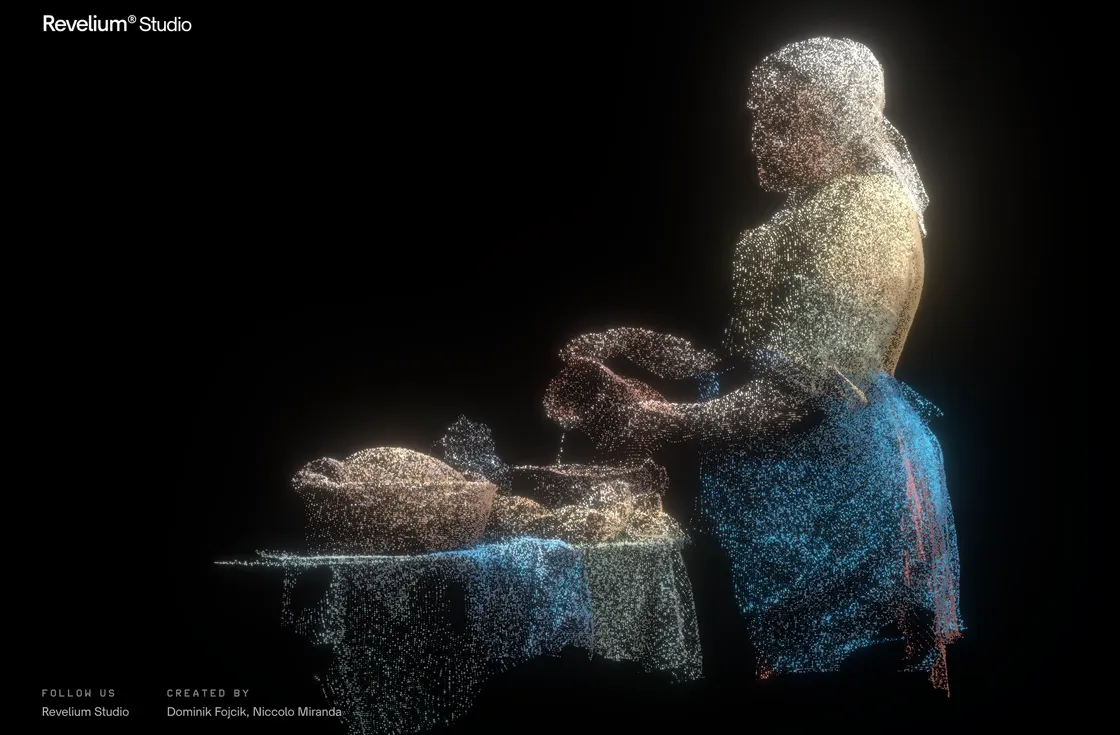
Vermeer's Milkmaid Dissolved into WebGPU Particles Revelium Studio broke Vermeer's 1658 Milkmaid into thousands of GPU-driven particles using WebGPU and Three.js TSL. Color-sampled from the original painting, the result is a particle cloud that somehow still holds the composition together. Worth a long stare.
Softbody Tetris: A Squishy WebGPU Remake That Plays Different Niklas Niehus rebuilt Tetris with soft body physics running entirely on WebGPU via Three.js TSL. Blocks deform on impact, wedge into gaps, and create emergent gameplay the original never had. Fully playable in your browser.
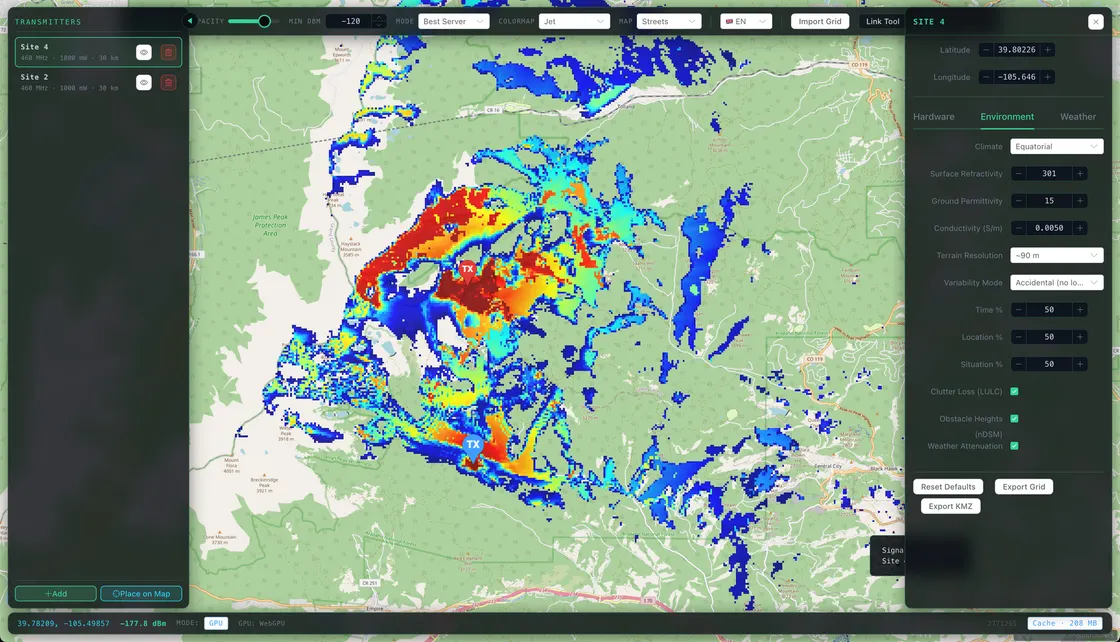
WebRF: The Longley-Rice Radio Propagation Model, Running in WebGPU Compute Shaders Roman Liutikov ported the Longley-Rice ITM algorithm, a real-world radio propagation model used in cell network planning, entirely into WebGPU compute shaders. 1,200 lines of WGSL, a two-pass radial sweep architecture, and coverage maps that actually respect terrain.
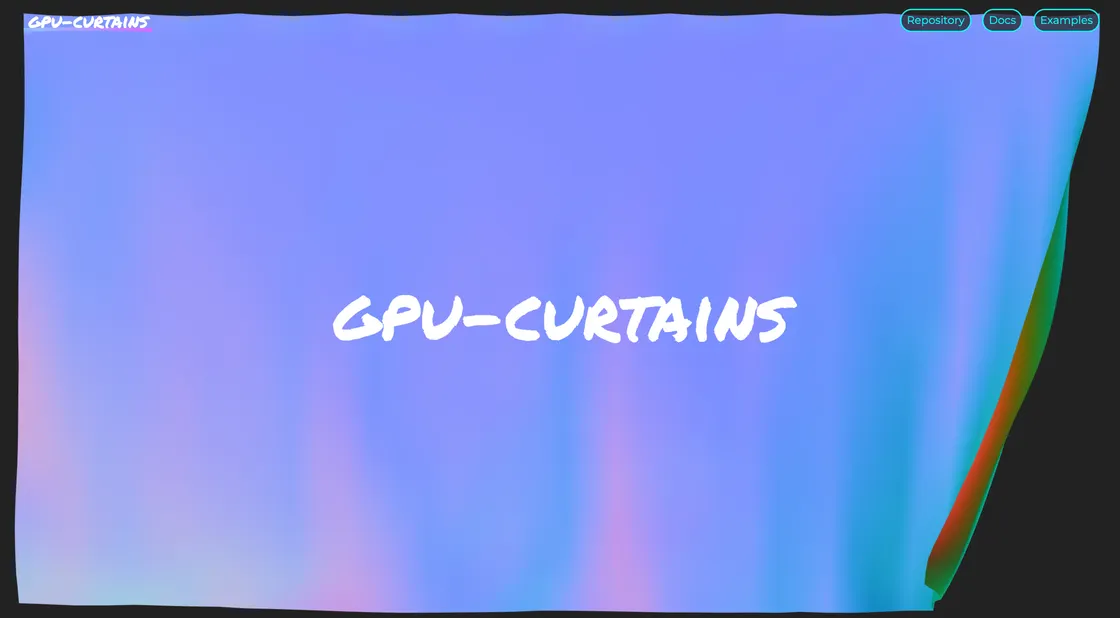
gpu-curtains: A WebGPU 3D Engine That Syncs Shaders to Your DOM Martin Laxenaire rebuilt his DOM-to-shader library for WebGPU, and this time it's a full 3D engine. Lights, shadows, compute shaders, glTF support, and the same trick that made curtains.js useful: your HTML elements become shader geometry that scrolls and resizes like native DOM.
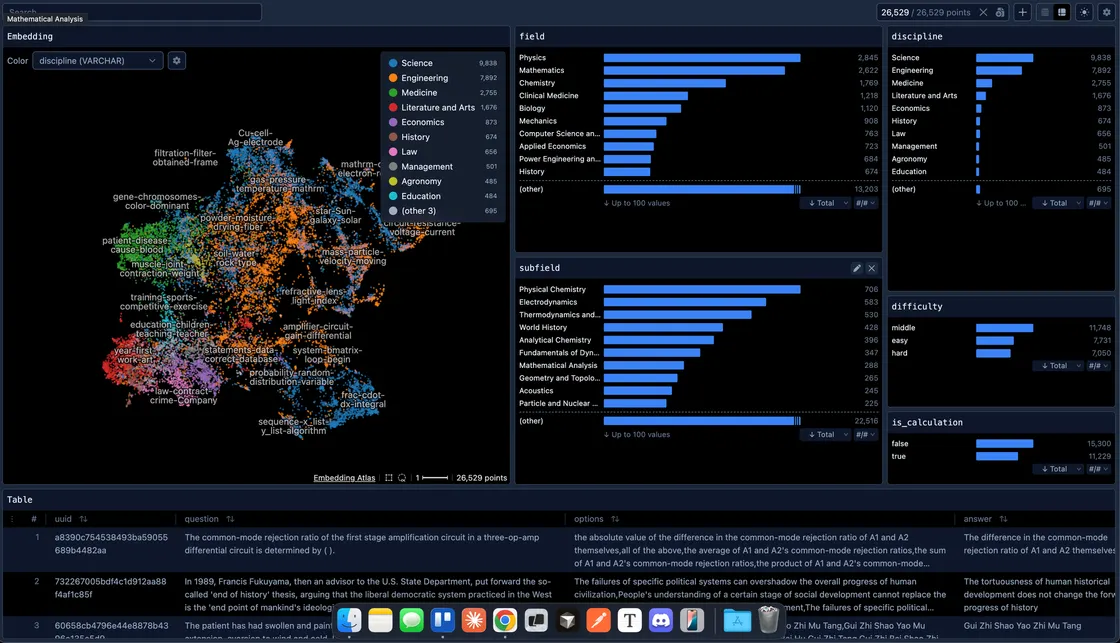
Embedding Atlas: Apple's Open-Source Tool for Exploring Millions of Vectors in Your Browser Apple's Embedding Atlas renders millions of embedding points interactively using WebGPU (with WebGL 2 fallback), Wasm-compiled UMAP, and density-based clustering that runs in milliseconds. Open source, with React, Svelte, Jupyter, and CLI support.
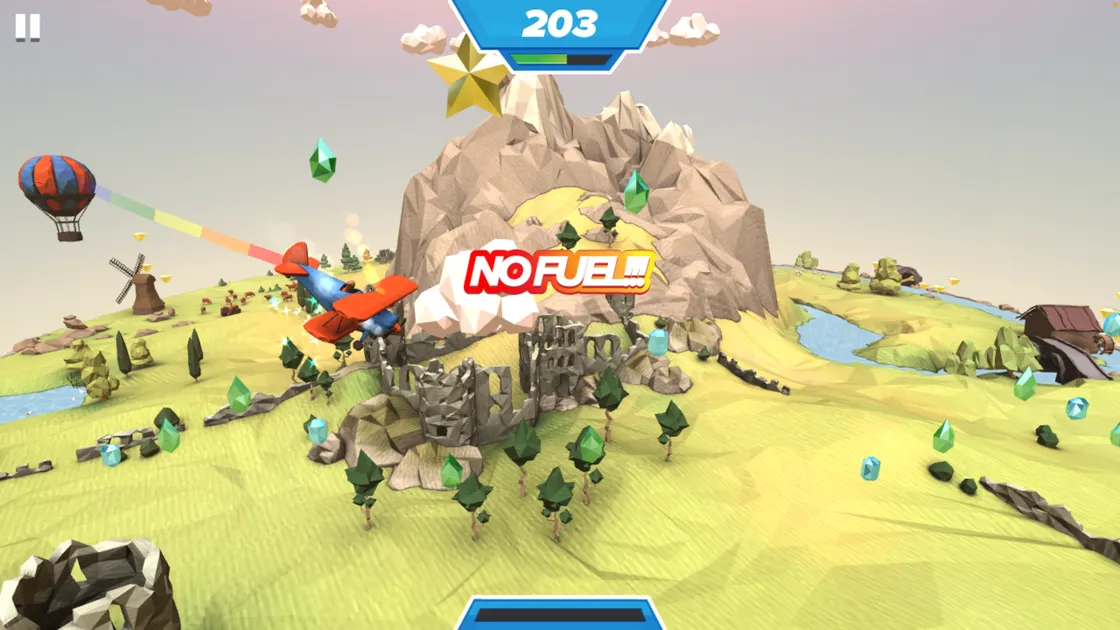
SWOOOP: Low-Poly Biplane Flight in PlayCanvas A low-poly biplane circles a floating island, collecting gems while physics and ambient occlusion do the heavy lifting. Built in WebGL with PlayCanvas in just four weeks by a remote team across Athens and London.
curtains.js: DOM-Driven WebGL Textured Planes Martin Laxenaire's lightweight WebGL library that converts HTML elements into shader-driven textured planes positioned exactly where your CSS says they should be. Write normal markup, add shaders, skip the coordinate math.
WebHeat: GPU-Powered Thermal Simulation for Any STL File A high school senior learned Newton's law of cooling in class, then built a full thermal simulation in the browser. Drop in any STL, watch heat propagate through voxelized geometry on the GPU. WebGPU compute shaders, React frontend, and a useRef trick that keeps it all from falling apart.
AI Grid: Run LLMs in Your Browser, Share GPU Compute with the World AI Grid connects browser tabs into a peer-to-peer compute mesh. Run LLMs locally with WebGPU, share spare GPU cycles, or borrow from others. No installs, no cloud. Just a URL and your graphics card.
Game of 3D Life: Conway's Cellular Automaton with WebGPU Conway's Game of Life in three dimensions. Simulation and rendering both run on the GPU via WebGPU compute shaders. No frameworks, just vanilla JS and hundreds of thousands of instanced cubes. Fly through the clusters as they evolve.
Grenzwert: Path-Traced Volumetric CT Rendering in WebGPU Grenzwert renders volumetric CT data with ground-truth path tracing, right in your browser. Built on C++/WebAssembly with WebGPU, it streams a 3D mip pyramid for responsive interaction while you edit transfer functions and crop into the volume in real time.
WebGPU Meets Zero-Knowledge: Can Browser-Based Proving Finally Work? zkSecurity integrated WebGPU compute shaders with StarkWare's Stwo prover and hit 5x speedups on constraint polynomial evaluation.
WebGPU Water Simulation: Porting a Piece of Graphics History The 2011 demo that helped inspire Figma gets a WebGPU rewrite. Ripples, caustics, raytraced reflections, and a bobbing sphere, all running on modern GPU APIs. Yong Su's port is a case study in what it takes to cross the WebGL-to-WebGPU bridge.
Gauzilla Pro: Web-Native Gaussian Splatting for 4D Digital Twins A browser-based platform turning drone footage and smartphone video into photorealistic 3D scenes with AI-powered segmentation. Built on an open-source Rust/WASM renderer, no installs required. Construction teams are already using it for as-built documentation.