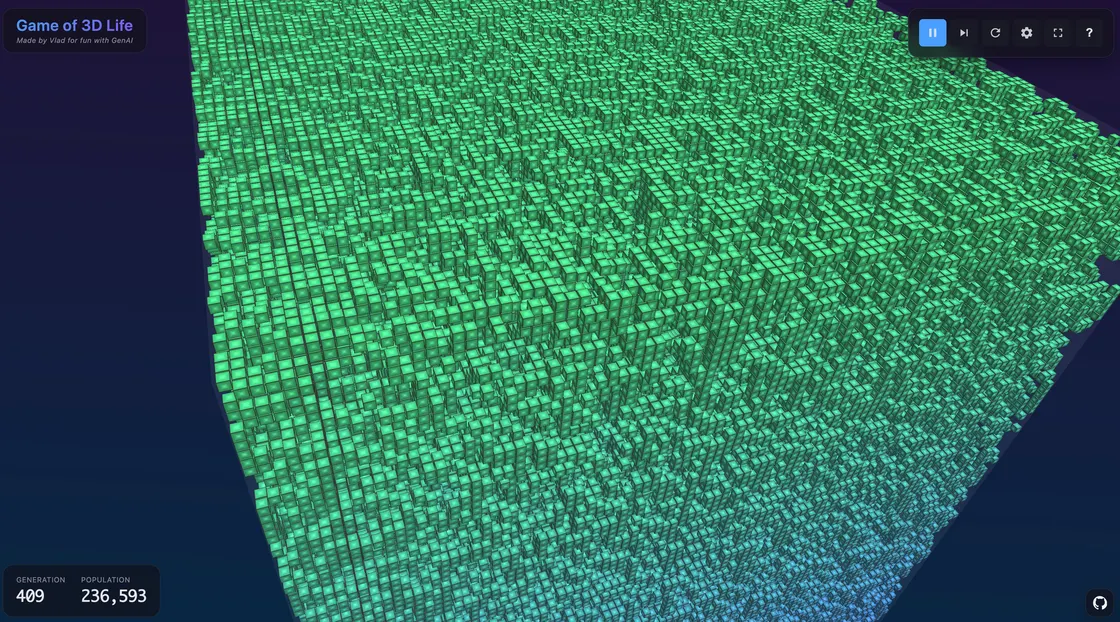
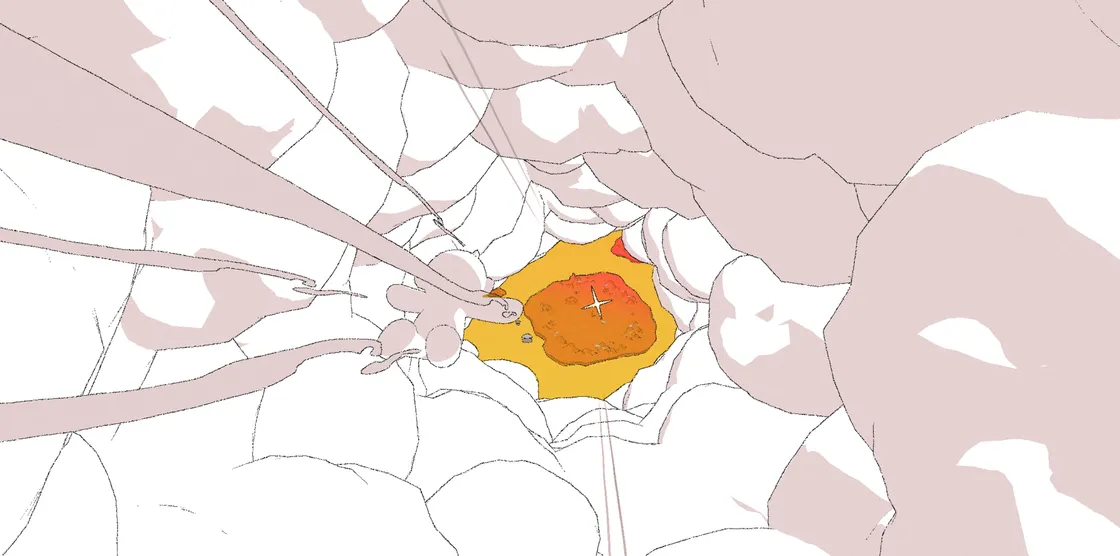
Game of 3D Life: Conway's Cellular Automaton with WebGPU Conway's Game of Life in three dimensions. Simulation and rendering both run on the GPU via WebGPU compute shaders. No frameworks, just vanilla JS and hundreds of thousands of instanced cubes. Fly through the clusters as they evolve.
Party: A WebGPU Particle Physics Playground Thousands of particles swarm and collide with real physics, all running on WebGPU compute shaders. Party lets you tweak gravity, forces, and constraints live. It's part demo, part instrument.
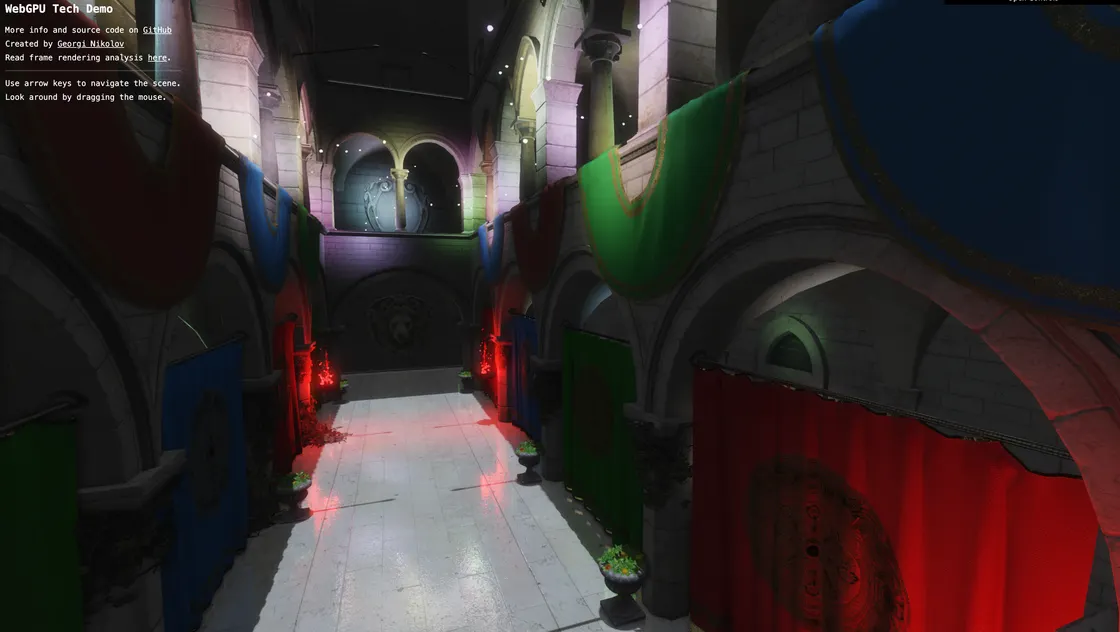
Deferred Rendering in WebGPU: Sponza with 400+ Compute-Driven Point Lights Georgi Nikolov's WebGPU renderer puts 400+ point lights in the classic Sponza atrium. Deferred shading, cascaded shadows, Hi-Z reflections, TAA. Clean architecture that handles WebGPU's explicit pipelines without drama.
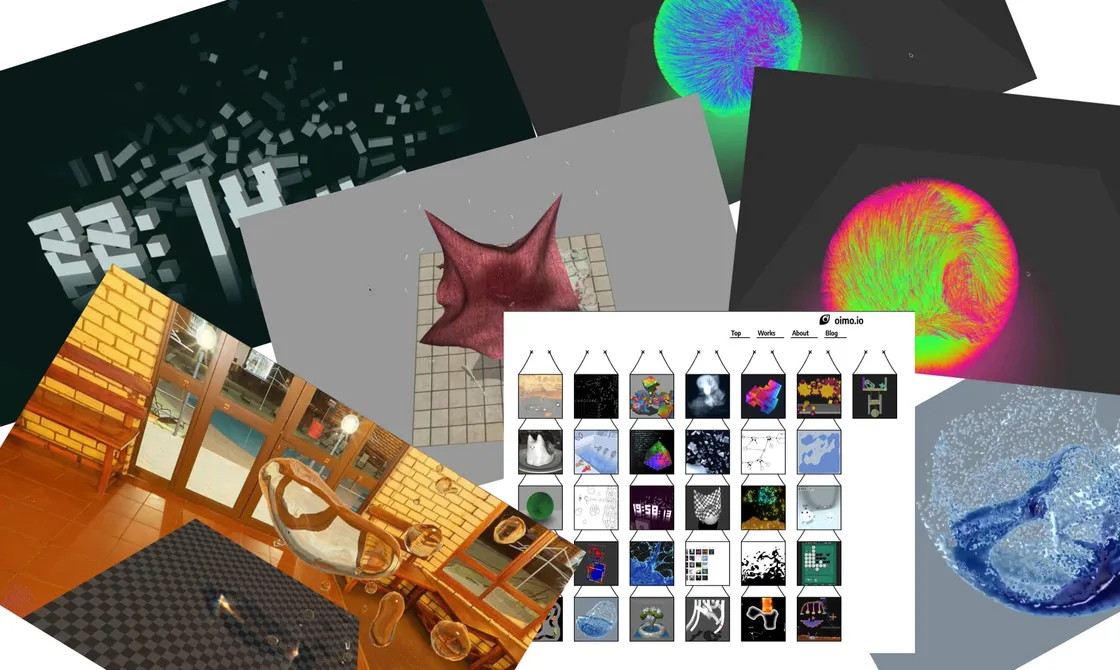
Realistic Physics Simulations in the Browser Dive into saharan's impressive collection of browser-based physics simulations featuring realistic water droplets with WebAssembly SIMD, GPGPU-powered fluffy balls, coupled cloth-fluid dynamics, and more. All built with Haxe and open-sourced on GitHub for anyone curious about computational physics.
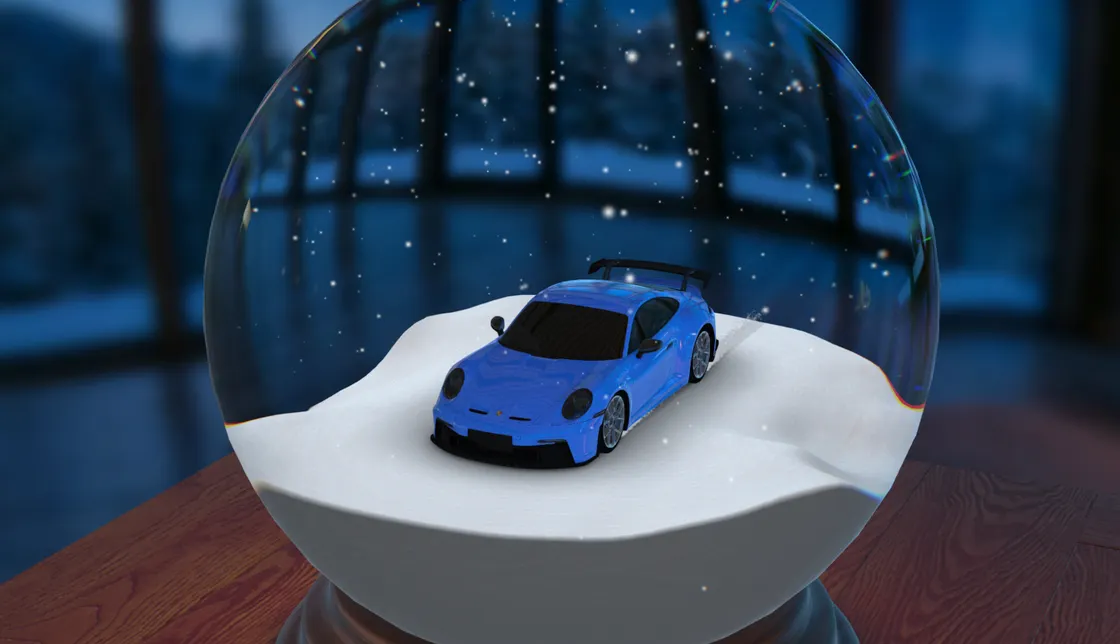
Holiday Snow Globe Michael Modena's holiday snow globe uses WebGPU compute shaders to create volumetric snow that actually fills the dome with mesh-based particles generating proper normals. Plus a Porsche GT3 drifts inside. It's a Christmas card that doubles as a lighting and compute shader stress test.
Tendrils: Emergent WebGL Particle Visuals Tendrils is a WebGL demo by Eoghan O’Keeffe that turns particles into living, fluid forms. Driven by GPU shaders and user input (audio, webcam, touch), it’s both interactive art and a tech deep-dive.
The Monolith Project The Monolith Project is a cinematic WebGL journey built with React Three Fiber. It weaves together modular shaders, layered particle systems, and a custom deferred renderer into a scroll-driven story that flows like a film. Every effect is modular. Every transition feels intentional.